Survivors of conflict-related sexual violence have called on South Sudanese authorities to accelerate investigations into a landmark war crimes case, saying justice has been delayed for far too long as they continue to live with the trauma and stigma of abuses committed during the country’s civil conflict.
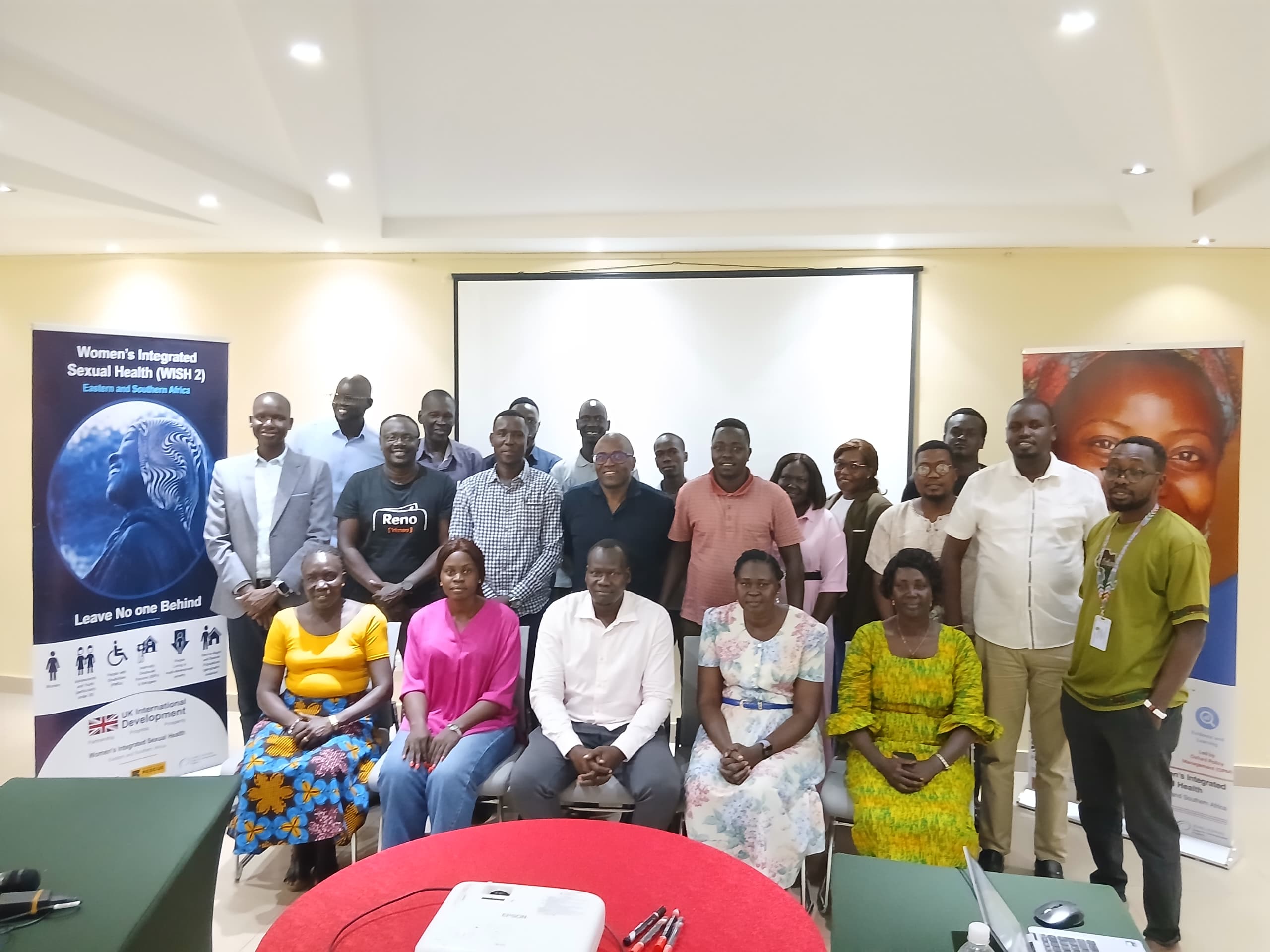
The appeal came on Tuesday as more than 50 survivors, alongside religious leaders, government officials, human rights advocates, and civil society organizations, gathered in Juba to mark the second anniversary of South Sudan’s National Remembrance Day.
The event served as both a commemoration of victims of the conflict and a platform for survivors of wartime sexual violence to demand accountability for crimes that remain unresolved nearly a decade after they were committed.
Many of the women who attended the gathering said they continue to suffer the psychological, social, and economic consequences of the violence, while waiting for authorities to take meaningful action against those responsible.
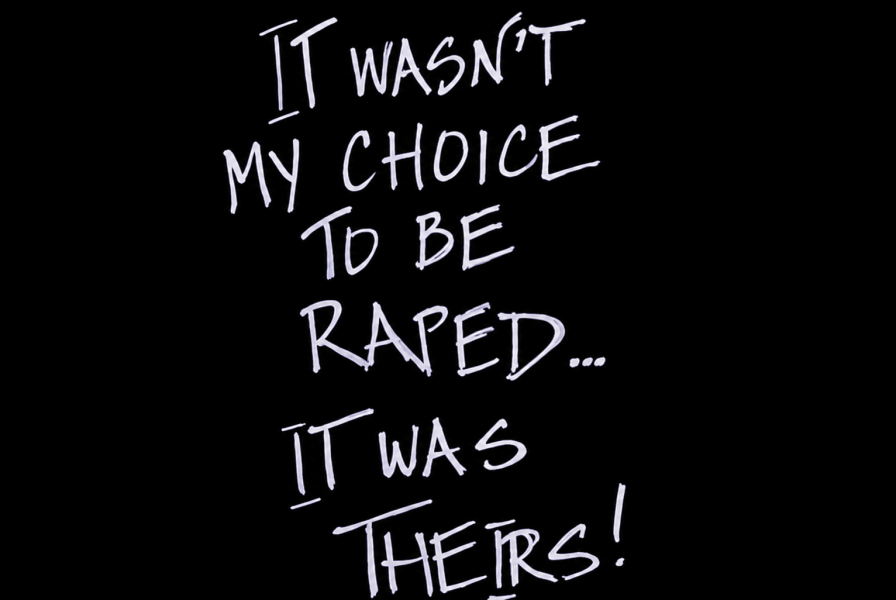
“We have suffered from the rapes, and we are still suffering from stigma from the community because of what we endured. It has been too long. We need justice,” said Elisabeth, one of the survivors whose testimony was shared during the event.
The women described how the violence disrupted their lives, destroyed families, and left many struggling to rebuild amid limited access to support services and continuing social discrimination.
Another survivor, Pauline, said she initially welcomed the decision by South Sudanese authorities to formally investigate the case but expressed frustration that survivors are yet to see tangible results.
“I was happy when the case was opened by the South Sudanese legal authorities, but the result of the investigation and accountability for those who shattered our lives are long overdue,” she said.
The gathering was organized by Legal Action Worldwide (LAW), the Centre for Inclusive Governance, Peace and Justice (CIGPJ), and the South Sudan Survivors Network (SUNS), organizations that have been working with survivors to pursue justice through national legal mechanisms.
The calls for action come amid growing expectations surrounding South Sudan’s first criminal complaint relating to conflict-related sexual violence. The case was filed in October 2024 by LAW and CIGPJ on behalf of three women who survived severe sexual violence during attacks in 2017.
The complaint alleges rape, gang rape, and physical assault committed during the conflict. Two of the complainants were reportedly just 14 years old at the time of the attacks.
For years, survivors and rights groups have argued that widespread sexual violence committed during South Sudan’s conflict has largely gone unpunished, contributing to a culture of impunity and discouraging victims from coming forward.
A significant breakthrough came in March 2026 when the Directorate of Public Prosecutions accepted the complaint and opened a formal investigation.
Human rights organizations described the move as a historic milestone and an important opportunity for South Sudan to demonstrate its commitment to accountability under both domestic and international law.
Speaking during the commemoration, Antonia Mulvey, Executive Director of Legal Action Worldwide, praised the authorities for taking the initial step but stressed that investigations must now move forward without unnecessary delays.
“We applaud the actions of the Ministry of Justice and the Directorate of Public Prosecutions for their decision to open an investigation, offering an opportunity for justice for all sexual violence survivors,” Mulvey said.
She added that survivors have shown extraordinary courage in pursuing justice and deserve accountability, recognition of their suffering, and the chance to rebuild their lives with dignity.
Rights advocates say the case could become a landmark test of South Sudan’s justice system. Although the country ratified the Geneva Conventions in 2012, giving national courts the authority to prosecute war crimes and other serious violations, prosecutions linked to conflict-era abuses have remained rare.
Organizers also highlighted the broader challenge of gender-based violence in South Sudan, noting estimates that more than 70 percent of women have experienced some form of violence during their lifetime.
As survivors marked another National Remembrance Day, their message to authorities was clear: investigations must be completed, perpetrators must be held accountable, and justice must no longer remain out of reach for victims of wartime sexual violence.
For many survivors, accountability is not only about punishment. It is about restoring dignity, acknowledging the suffering endured during the conflict, and ensuring that future generations are protected from similar atrocities.