The Troika countries, alongside key international partners, have thrown their support behind African Union-led mediation efforts while calling for an immediate ceasefire and inclusive political dialogue to end the escalating violence in northern Jonglei State.
In a joint statement issued on April 17, the diplomatic missions of Canada, France, Germany, Japan, Norway, the Netherlands, the United Kingdom, the United States, and the European Union expressed deep concern over recent clashes in Akobo County.
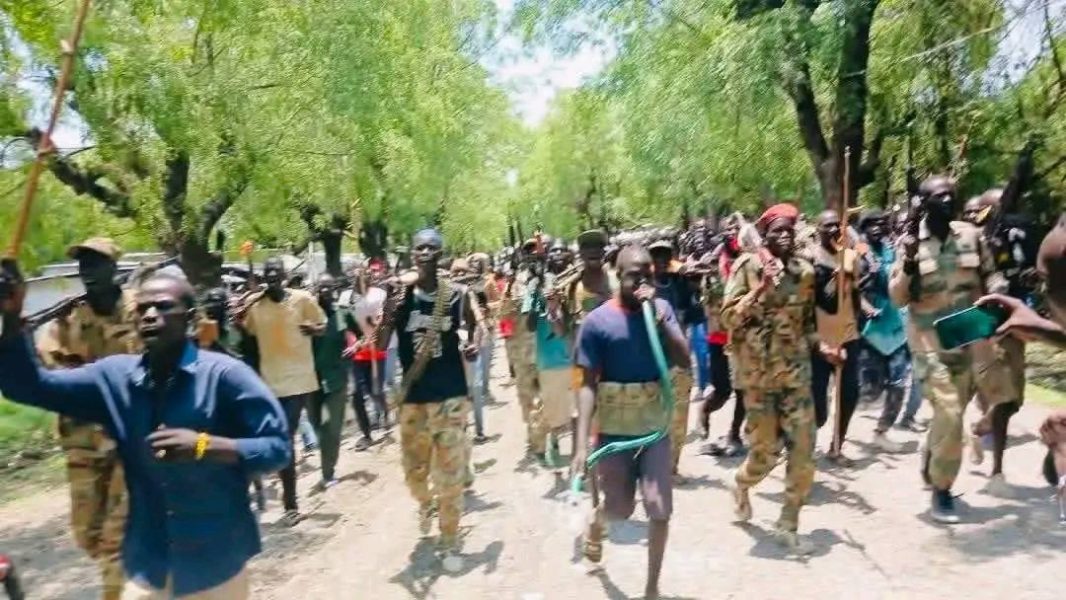
The envoys said the fighting marked by the town’s capture by government forces and its subsequent recapture by opposition troops underscores the devastating human toll and the futility of continued conflict.
“The events of recent weeks in Akobo lay bare the grave human cost,” the statement noted, pointing to significant loss of life, the displacement of hundreds of thousands of civilians, and the destruction of already fragile infrastructure and essential services.
The group, often collectively referred to as the Troika and partners, stressed that there is no military solution to South Sudan’s crisis and urged all parties to pursue a political path forward.
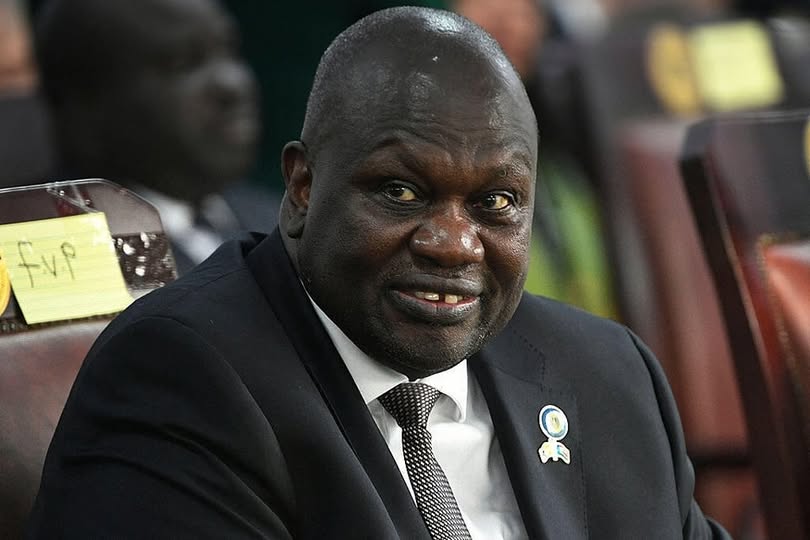
Central to that effort, they said, is inclusive dialogue involving all stakeholders, including First Vice President Riek Machar.
They welcomed ongoing mediation initiatives led by the African Union, particularly the role of Special Envoy Jakaya Kikwete, and called on South Sudanese leaders to heed regional and international appeals for de-escalation.
“The only way out is inclusive dialogue between the parties leading to a political solution,” the statement emphasized, urging leaders to prioritize peace over continued confrontation.
Beyond the call for dialogue, the envoys also raised alarm over disruptions to humanitarian operations in the conflict-affected areas.
They warned that such actions demonstrate a disregard for international norms and obligations, particularly under International Humanitarian Law, which requires all parties to facilitate safe and unhindered access for aid delivery.
Communities in northern Jonglei, especially in and around Akobo, are facing acute humanitarian needs after weeks of violence.
Aid agencies have reported difficulties in reaching affected populations, many of whom are in urgent need of food, shelter, and medical assistance.
The Troika and its partners urged all sides to immediately allow humanitarian access and ensure the protection of civilians, stressing that those caught in the conflict have “suffered too much already.”
The renewed diplomatic pressure comes amid growing fears that localized clashes could further destabilize the fragile peace process in South Sudan, where implementation of the peace agreement remains uneven.
As calls for a ceasefire intensify, attention is now on whether the country’s political and military leaders will respond to the appeals and engage meaningfully in dialogue to prevent further escalation and civilian suffering.