Mjima had been treating her child for some time. She believed the illness was cerebral malaria or typhoid because every time she visited a clinic, medical tests were conducted and medications prescribed.
With time, she began keeping the medicines close by so she could quickly respond whenever the child developed symptoms.
When Mjima had her first child, the baby was born healthy and active. However, things changed when the child reached the age of five. By then, she had already given birth to her second child, who was three years old. Both children soon began showing similar signs and symptoms.
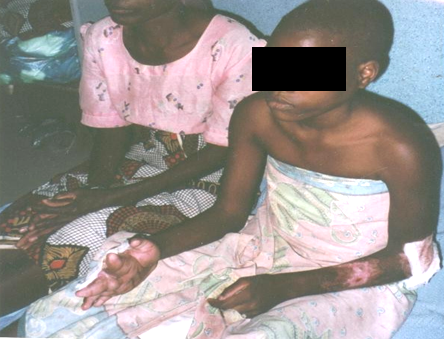
The seizures continued for more than six months, and the children’s health steadily deteriorated.
“My husband told me to look for the root cause of my children’s seizures because no one in his family had ever suffered from such a sickness,” said Mjima Pitia.
One day, a friend visited her and advised her to take the children to Al-Sabah Children’s Hospital. From there, she was referred to the Usratuna Rehabilitation Center.
The Usratuna Rehabilitation Center in Juba, Central Equatoria State, provides accessible healthcare services, mainly focusing on improving rehabilitation, health, and education for children with disabilities. It was there that her children were finally diagnosed with epilepsy.
Epilepsy is a neurological disorder characterized by recurrent seizures and affects millions of children globally. In South Sudan, however, the challenges associated with the condition are worsened by a shortage of healthcare professionals, political and economic instability, and limited access to medical resources—especially in rural communities.
Two years after the diagnosis, Mjima’s children are now living better lives after being placed on medication.
Despite the progress, the journey has not been easy due to community beliefs and stigma.
“When my children developed seizures, other children distanced themselves. Families would call their children back and tell them to stay away. Some people said it was witchcraft,” she narrated.
However, she expressed relief that the children were diagnosed early and are now receiving treatment and responding well.
Solace, another patient, started taking her brother’s medication after self-diagnosing herself with the same condition. Instead of improving, her condition worsened and forced her to seek medical attention in Gulu. She was later diagnosed with epilepsy, just like her brother.
“I feared that people would know I had this condition because of how people talk about it. I feared I would not get treated and would be isolated,” she said, recalling the stigma her brother had experienced.
Community leaders are also playing a role in identifying cases. The chairperson of women in Block Six brought two children to the hospital after noticing that children in her community were experiencing similar symptoms.
Cultural beliefs and limited knowledge continue to affect how families respond to epilepsy treatment.
“We have children who were treated and they are now okay, all thanks to Usratuna. But we still face challenges. More awareness must be done because many people do not seek treatment,” she said.
Esther has now become an advocate in her community after her brother was diagnosed with epilepsy at an older age. His experience motivated her to move around the community creating awareness about the condition.
“This medication is being given to children and teenagers, but some elderly people do not have access to it. These medications should also be distributed to other health facilities instead of being limited to Usratuna,” she urged.
Epileptic seizures can have a devastating impact on a child’s quality of life and long-term development. Without proper intervention, severe epilepsy can cause brain damage and even death.
The condition can prevent children from reaching developmental milestones, attending school regularly, and living independently.
Globally, more than 50 million people are living with epilepsy, and about 85 percent of them live in low- and middle-income countries like South Sudan.
Although there are no official figures for South Sudan, it is estimated that one out of every 100 South Sudanese may be living with epilepsy.
Like Mjima Pitia, Hanna Ernesto also struggled to find treatment for her children. Three of her children developed the same condition.
“I was scared when the doctor diagnosed my children with epilepsy. For some time I refused to accept the result because of the beliefs that associate the condition with witchcraft and bad spirits,” she said.
The chairperson of the Initiative for Epilepsy Awareness, Ezekiel Akur, said treatment of the condition continues to be affected by misinformation and misconceptions.
“Despite the presence of a facility that handles the condition and the availability of specialists, many patients leave treatment because of misconceptions about the causes and spread of epilepsy,” he explained.
The Administrative Assistant for the Union of Persons with Disabilities, Poni Gloria, continues to call on partners to expand awareness programs and improve access to treatment for epileptic patients.
He urged parents and relatives of people living with epilepsy to protect them and ensure their safety.
“People living with epilepsy face multiple challenges ranging from lack of adequate access to affordable anti-seizure medications to stigma and discrimination. These challenges are further compounded by poverty, climate change, and economic hardship,” he said.
He urged communities to create environments that support people living with the condition.
In 2026, individuals, communities, and organizations have been called upon to pledge at least one concrete action to improve the quality of life of people living with epilepsy in South Sudan.
The Initiative for Epilepsy Awareness has pledged to improve knowledge and understanding of epilepsy by training teachers and students on seizure first aid in schools across Juba by December 2026.
Despite the stigma and misinformation surrounding epilepsy in South Sudan, awareness about the condition is slowly growing in the world’s youngest nation.
For Mjima, the increasing awareness in communities has helped her accept her children’s condition and support them through treatment.
Today, her children are able to participate in extracurricular activities, do domestic work, and attend school without fear. Their seizures have reduced significantly, and they no longer suffer the injuries that once accompanied the attacks.