Leaders in Unity State have called on the national government to immediately release the long-delayed 3 percent petroleum revenue allocated to oil-producing communities, warning that continued withholding of the funds is deepening hardship and undermining trust.
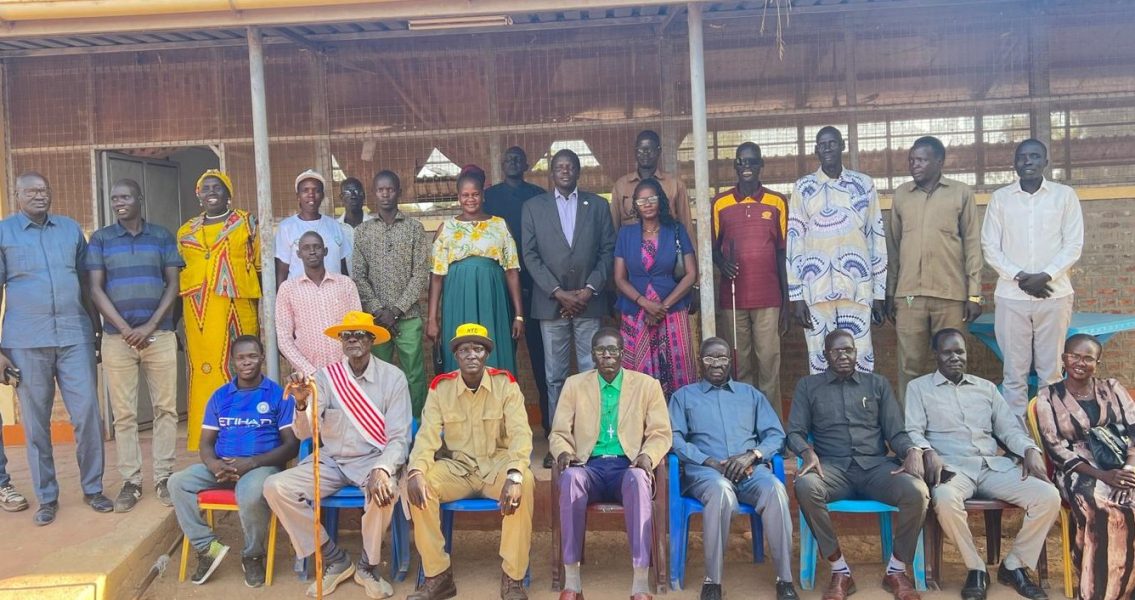
The demand was issued during a high-level roundtable in Bentiu organized by the Civil Society Coalition on Natural Resources (CSCNR), which brought together state legislators, traditional leaders, women and youth representatives, business groups, and civil society actors.
William Gatluak Nyuot, Chairperson of the Unity State Legislative Assembly’s Planning and Finance Committee, said Community Development Committees (CDCs) were formally established in 2021 to manage the 3 percent share intended for communities affected by oil production.
However, he noted that the funds have remained inaccessible for years.
“In 2025, we were informed that the money had been released to CDC accounts,” Nyuot told participants. “But when we verified this with the banks, there was no cash available. Communities are asking legitimate questions, and we deserve clear answers.”
Lawmakers also raised broader concerns over the management of petroleum revenues since 2013, arguing that despite Unity State’s central role in national oil production, local communities have seen little tangible development.
Several speakers cited persistent gaps in infrastructure, healthcare, education, and road connectivity.
On corporate social responsibility, legislators acknowledged some contributions by oil companies, including the Greater Pioneer Operating Company (GPOC) and the Sudd Petroleum Operating Company (SPOC).
These include scholarship programs that supported more than 1,000 students in 2024, recruitment of teachers and medical personnel in counties such as Mayom and Rubkona, and the donation of ambulances to local hospitals.
However, participants alleged irregularities in scholarship selection, inadequate service delivery, and weak monitoring of environmental and social impacts.
Concerns were also raised over oil spills, pollution, and reports of insufficient medical supplies delivered to the state.
Community representatives highlighted recurring flooding, cholera outbreaks, and poor road networks, stressing that oil-producing areas continue to experience acute vulnerability despite hosting the country’s main revenue source.
The meeting resolved to formally demand the transparent and immediate release of the 3 percent petroleum revenue, increased local employment in oil companies, construction of hospitals and schools, and binding agreements between oil firms and host communities.
CSCNR representatives pledged to sustain advocacy efforts to ensure accountability, equitable resource sharing, and community-driven development in Unity State.