
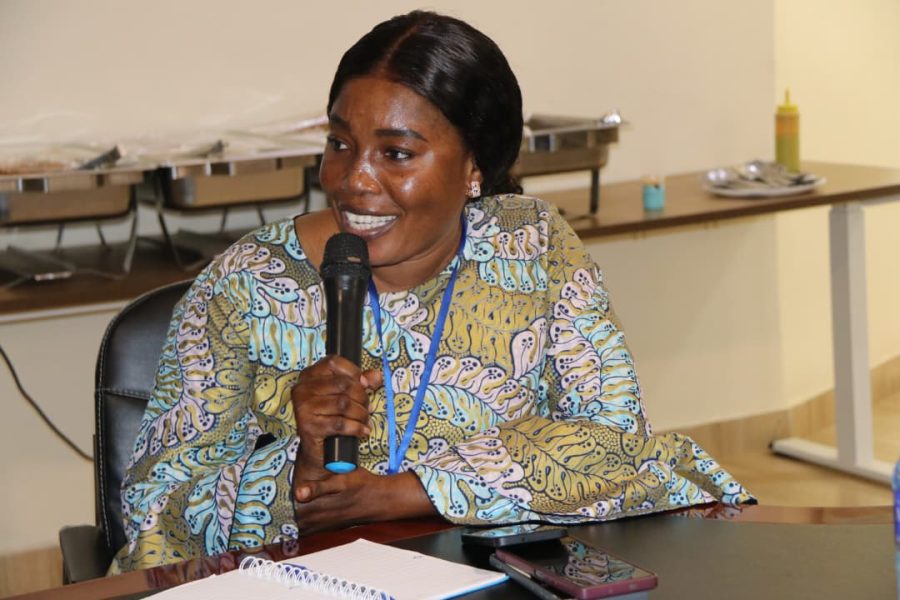
The Chairperson of the Women Parliamentary Caucus, Viola Samuel Satti, has cautioned that progress on advancing women’s priorities in South Sudan will remain limited without broader inclusion and stronger collaboration among stakeholders.
Speaking during a one-day consultative meeting in Juba, Satti stressed that unity across political, social, and institutional lines is essential to move the Women, Peace and Security (WPS) agenda forward, particularly as the country approaches the 2026 elections.
The meeting, organized by UN Women South Sudan, brought together government officials, civil society groups, women’s unions, development partners, and members of the media to assess past efforts and define priorities for the year ahead.
Satti described the participation of senior government leaders as an encouraging sign but warned that symbolic support must translate into sustained, collective action.
“The presence of our senior leadership shows commitment, but real progress depends on how inclusive and coordinated our efforts are,” she said.
She underscored the importance of bringing together women from diverse backgrounds, noting that fragmented approaches risk slowing gains already made.
“We cannot move forward without bringing all our sisters together. Inclusion is not optional it is necessary for meaningful progress,” Satti added.
Satti also highlighted the need for greater involvement of men in addressing women’s issues, arguing that gender equality cannot be achieved in isolation.
“Our issues as women cannot be solved by women alone,” she said. “We need the support of the entire society.”
Participants were urged to reflect critically on past challenges, including gaps in coordination, limited resources, and shifting political dynamics, to better inform planning for 2026.
Representing the Ministry of Gender, Child and Social Welfare, Assistant Director for Mainstreaming Jane Tumalu Erasto reaffirmed the government’s mandate to promote gender equality and protect vulnerable groups.
“Our responsibility is to ensure women’s empowerment and safeguard rights. Platforms like this help strengthen coordination and ensure no one is left behind,” she said.
Meanwhile, Jane Gordon Sworo, Secretary General of the South Sudan Women Union, called for increased national ownership of the agenda, emphasizing the need for active participation from South Sudanese actors.
“As South Sudanese, we must shape our own path forward and work closely with partners and the United Nations,” she said.
Facilitators guided discussions toward identifying key priorities for the coming year, urging participants to align their plans with available resources and the country’s evolving political context, including preparations for the anticipated elections.
They emphasized the need for realistic, targeted interventions that can deliver measurable impact despite financial and institutional constraints.
The session concluded with a renewed call for open dialogue, stronger partnerships, and sustained engagement to ensure that the Women, Peace and Security agenda translates into tangible outcomes.
“Let us be open, share our views, and work together,” Satti said. “That is how we build a better future.”