
Women’s rights advocates have issued a strong call for urgent action to address critical gaps in South Sudan’s draft Family Law Bill, warning that delays and weak provisions could undermine efforts to protect women, children, and vulnerable communities.
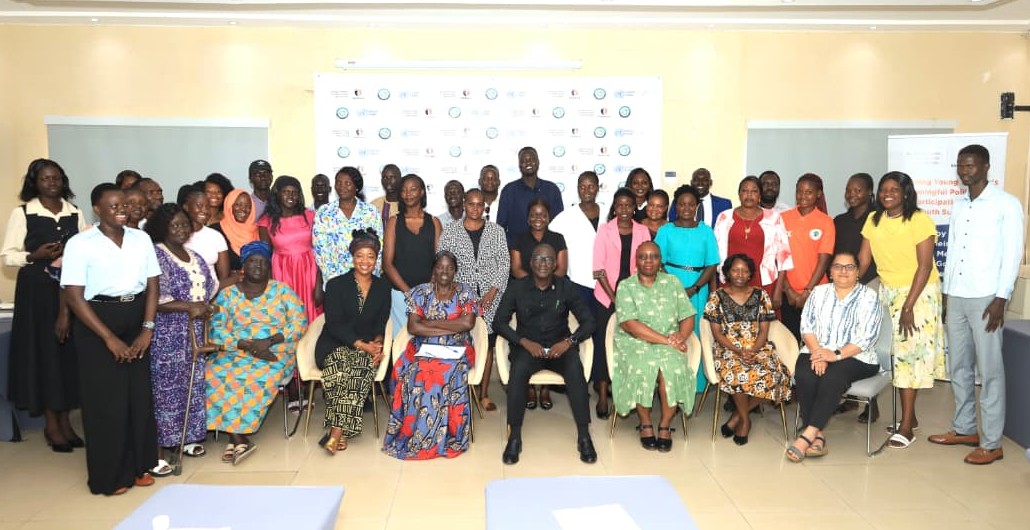
The demands were voiced during a high-level dialogue in Juba convened by the Strategic Initiative for Women in the Horn of Africa (SIHA), where government officials, civil society actors, and development partners gathered to review a gender analysis of the proposed legislation.
Advocates said the draft law, while a step in the right direction, fails to adequately respond to the realities faced by many South Sudanese women, particularly those affected by conflict, displacement, and entrenched cultural inequalities.
“We cannot afford to pass a law that does not fully protect those who need it most,” said SIHA South Sudan Country Coordinator Jackline Bage.
“This is about justice, dignity, and ensuring that women and children are not left behind.”
Among the key concerns raised were the lack of clear protections against gender-based violence, limited access to justice for survivors, and insufficient safeguards for widows, divorcees, and orphaned children.
Participants also pointed to gaps in provisions related to property and inheritance rights, which remain contentious under customary legal systems.
Advocates further stressed the need for the law to address the long-term consequences of South Sudan’s years of conflict, including the absence of reparations and support mechanisms for families who have lost livelihoods and loved ones.
“How will justice be delivered to those who have suffered the most?” Bage questioned, urging lawmakers to prioritize accountability and redress within the legal framework.
Government officials acknowledged the concerns but maintained that the legislative process is ongoing and inclusive.
Speaking on behalf of the Minister of Gender, Child and Social Welfare, Patrick Kenyi said the government is committed to refining the bill through nationwide consultations.
“This is a participatory process,” he said. “We are engaging religious leaders, traditional authorities, and civil society to ensure the final law reflects the diversity of our society.”
Central Equatoria State Minister for Gender, Child and Social Welfare, Elizabeth Lugor emphasized the importance of urgency, noting that prolonged delays could continue to expose women and children to legal vulnerabilities.
“The longer we wait, the more people remain unprotected,” she said. “We must act decisively to close these gaps and deliver a law that serves all.”
Participants also highlighted the need to harmonize statutory provisions with customary practices to ensure effective implementation at the grassroots level, where traditional systems often prevail.
In addition, stakeholders called for the fast-tracking of complementary legislation, particularly laws addressing gender-based violence, and stronger enforcement of existing policies, including the National Action Plan on Women, Peace, and Security.
The dialogue concluded with a renewed appeal to international partners, United Nations agencies, and donors to provide sustained financial and technical support to women’s rights organizations, many of which are struggling to continue their advocacy work.
“Without adequate resources, progress will stall,” Bage warned.
As momentum builds around the Family Law Bill, advocates say the coming months will be critical in determining whether South Sudan can deliver a legal framework that advances equality, protects fundamental rights, and supports long-term peace and development.