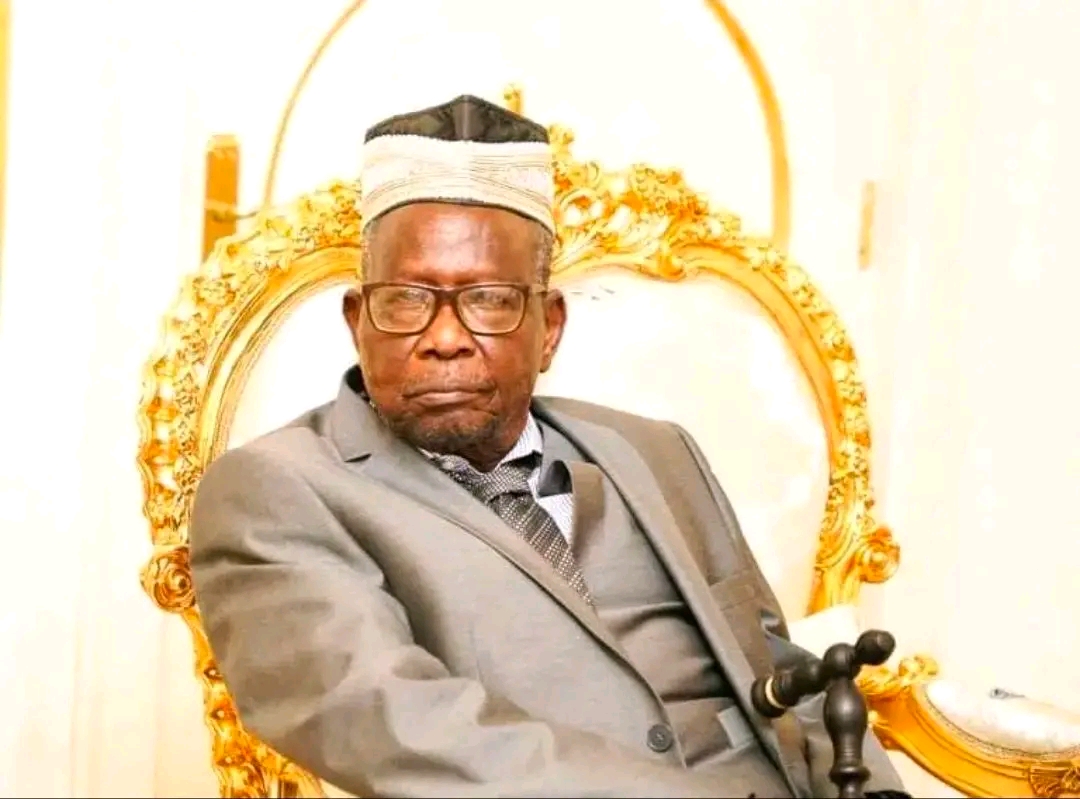
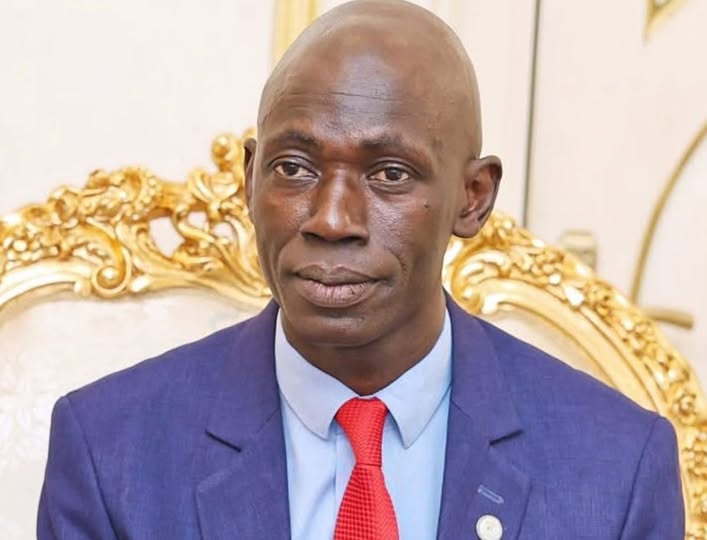
Civil society activist Edmund Yakani has questioned the legality of South Sudan’s parliament’s approval of amendments to the 2018 Revitalized Peace Agreement, arguing that lawmakers bypassed the procedures set out in the accord for making changes.
Yakani, the Executive Director of the Community Empowerment for Progress Organization (CEPO), said the amendments should have first been considered through the mechanisms established under the peace agreement before being debated and passed by the Transitional National Legislative Assembly.
He welcomed the Council of Ministers’ earlier decision to reverse a proposal that sought to delete Articles 8.2 and 8.3 of the peace agreement, saying the move preserved the supremacy of the accord and the legal basis of the country’s transitional government.
“If you tamper with Articles 8.2 and 8.3, you undermine the supremacy of the peace agreement and the legitimacy of the transitional government,” Yakani said.
However, he argued that despite the reversal, any amendments to the agreement must still follow the procedures outlined under Article 8.4, which he said requires the process to begin through the agreement’s established implementation mechanisms before reaching parliament.
“We are aware there was a move to bypass that process, and this is what parliament proceeded with,” Yakani said, adding that the legality of the amendments remains open to question.
He said the matter should be addressed by the Reconstituted Joint Monitoring and Evaluation Commission (RJMEC), the regional body overseeing implementation of the peace agreement, to determine whether the parliamentary process complied with the agreement.
Yakani also expressed concern over South Sudan’s readiness to hold elections scheduled for December 2026, warning that key conditions necessary for a credible vote remain unmet.
“The possibility of holding elections in December 2026 is becoming increasingly difficult,” he said, urging political leaders to recommit to implementing the peace agreement before proceeding with the polls.
Yakani called on the government to prioritize the permanent constitution-making process, uphold the cessation of hostilities and pursue inclusive political dialogue to create conditions for peaceful, credible and inclusive elections.
South Sudan’s Transitional National Legislative Assembly on Tuesday approved amendments to the 2018 Revitalized Agreement on the Resolution of the Conflict in the Republic of South Sudan (R-ARCSS), removing the requirement to complete a permanent constitution and a national population and housing census before general elections can be held.
The amendments were adopted after the parliament’s Committee on Legislation and Legal Affairs presented its report recommending approval of the changes.
Supporters said the revisions were intended to avoid further delays to elections, while critics argued they weakened key safeguards contained in the peace agreement.
The changes come after South Sudan’s elections, initially scheduled for December 2024, were postponed to December 2026 under a transitional roadmap intended to allow time for implementing outstanding provisions of the peace agreement, including constitution-making, security sector reforms, electoral preparations and the unification of forces.
Regional and international partners have repeatedly stressed that completing these benchmarks is essential to ensuring credible, peaceful and inclusive elections.