A labour market assessment in Northern Bahr el Ghazal and Western Bahr el Ghazal has found that 65.7 per cent of respondents reported a mismatch between available skills and local job requirements.
The findings highlight challenges facing young people seeking employment, as well as businesses struggling to find workers with the required skills.
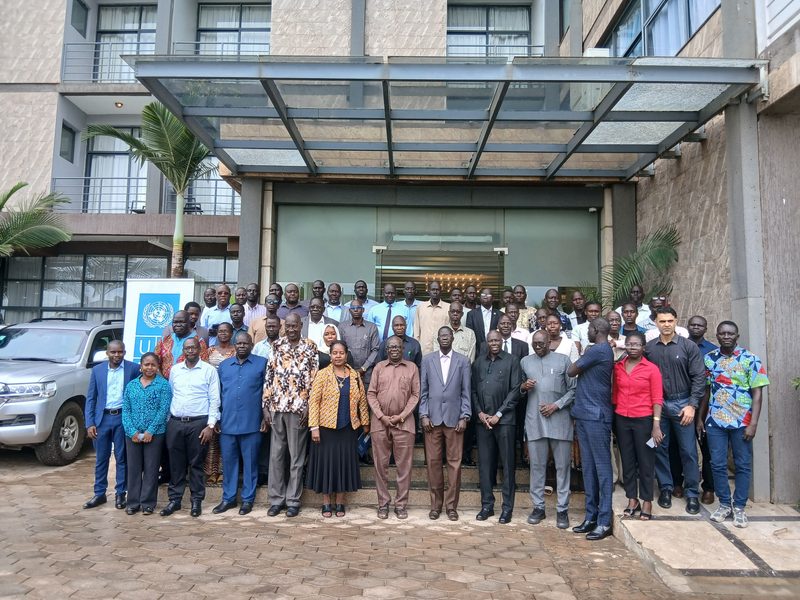
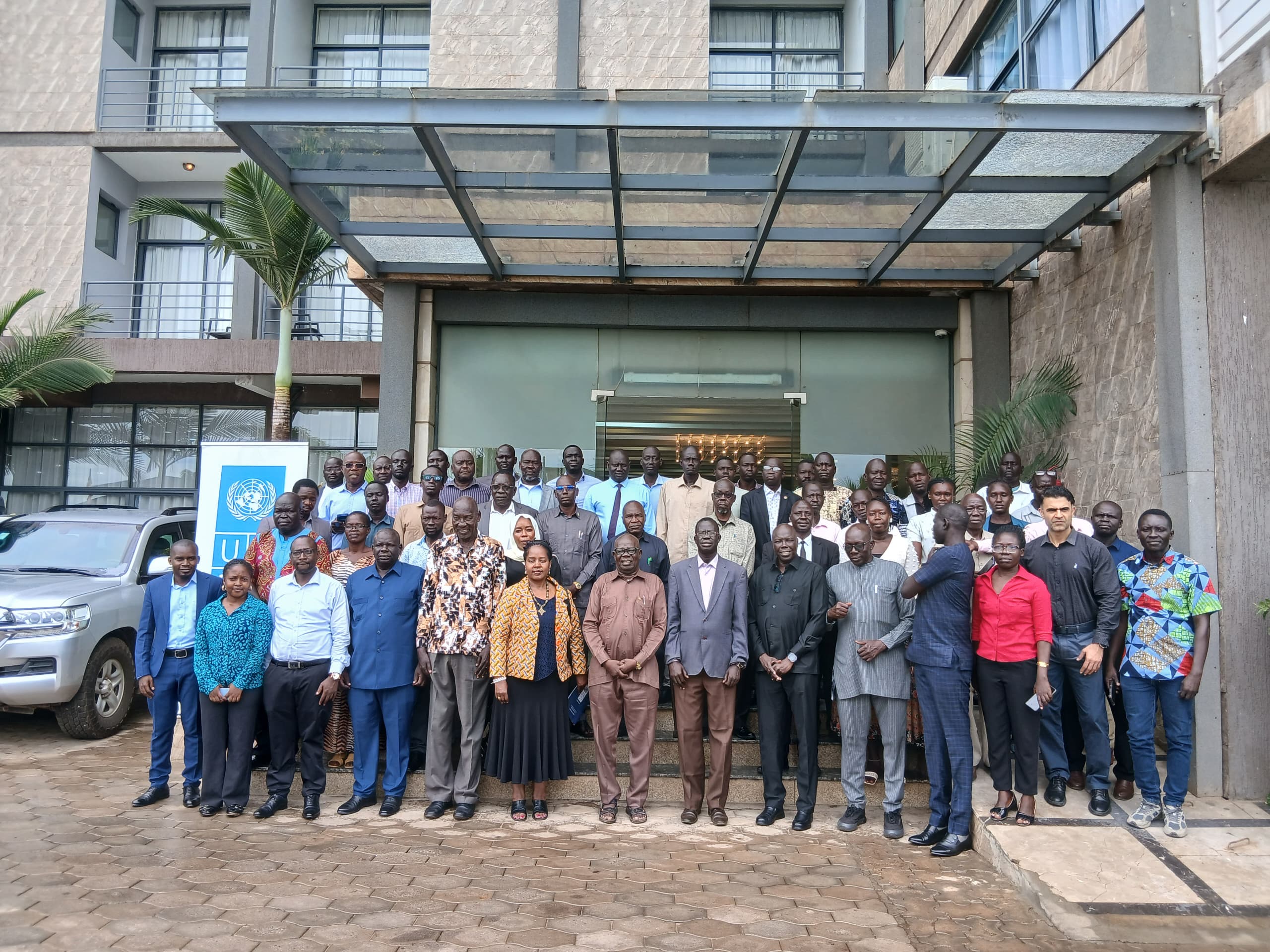
The assessment was presented during a validation workshop in Juba on Tuesday, 27 October 2026, under the Job Creation through Youth and Women-led Micro and Small Enterprises (JMSE) project.
The project is implemented by the United Nations Development Programme (UNDP) in partnership with the Ministry of Trade and Industry.
According to the assessment, only 35.8 per cent of household respondents reported having worked during the seven days preceding the survey.
Western Bahr el Ghazal recorded a higher rate of recent work at 46.5 per cent, compared with 27.5 per cent in Northern Bahr el Ghazal.
Among unemployed respondents seeking work, 69.3 per cent cited a lack of jobs, while 67.1 per cent pointed to insufficient capital and 58.1 per cent identified inadequate skills.
The study also found limited access to financing for micro and small enterprises, with only 17.5 per cent of surveyed businesses reporting that they had ever received financing.
Women-owned businesses faced greater barriers, with only 9.1 per cent reporting previous access to financing, compared with 21.5 per cent of men-owned enterprises.
Employers reported similar concerns about workforce readiness. Only 38.9 per cent said job applicants possessed the skills required for available positions.
Among employers experiencing difficulties filling vacancies, 88.9 per cent cited insufficient skills as a major challenge.
Agriculture emerged as a leading potential source of employment, identified by 75.4 per cent of employers.
Other sectors included livestock, agro-processing, construction, information and communication technology, and fisheries.
The assessment also raised concerns about employment outcomes among technical and vocational education and training (TVET) graduates.
Among the graduates tracked, 48.1 per cent were still seeking work, while 28.6 per cent were self-employed and 22.1 per cent were employed.
The findings suggest that completing vocational training does not necessarily guarantee employment, particularly where training programmes are not aligned with labour market demands.
Training institutions in the two states were also reported to be operating beyond their stated capacities.
Hai Darja in Wau reportedly had 730 learners against a capacity of 200, while Aweil Institute had 400 learners against a stated capacity of 70.
The JMSE project, which runs from 2025 to 2028, aims to train 1,060 young people and 830 women, establish 378 youth- and women-led enterprises, and support 100 existing businesses.
Women are expected to account for at least half of the project’s participants.
The assessment recommends aligning vocational training with market demand, expanding access to finance, strengthening training institutions and addressing barriers affecting women and persons with disabilities.
Its findings underline the need to connect skills development and business support with actual employment opportunities to improve livelihoods in Northern Bahr el Ghazal and Western Bahr el Ghazal.