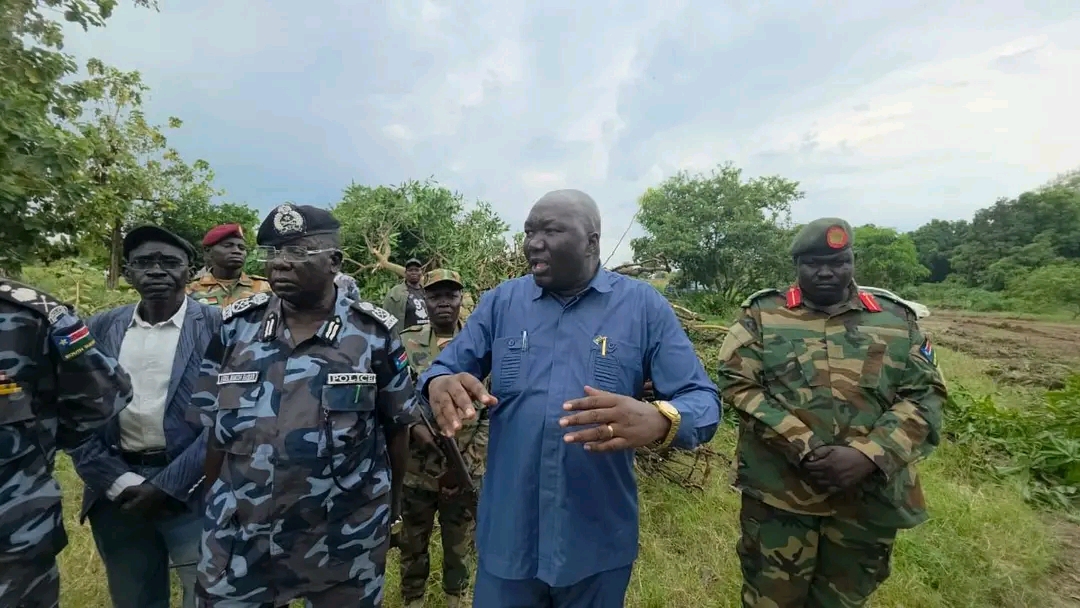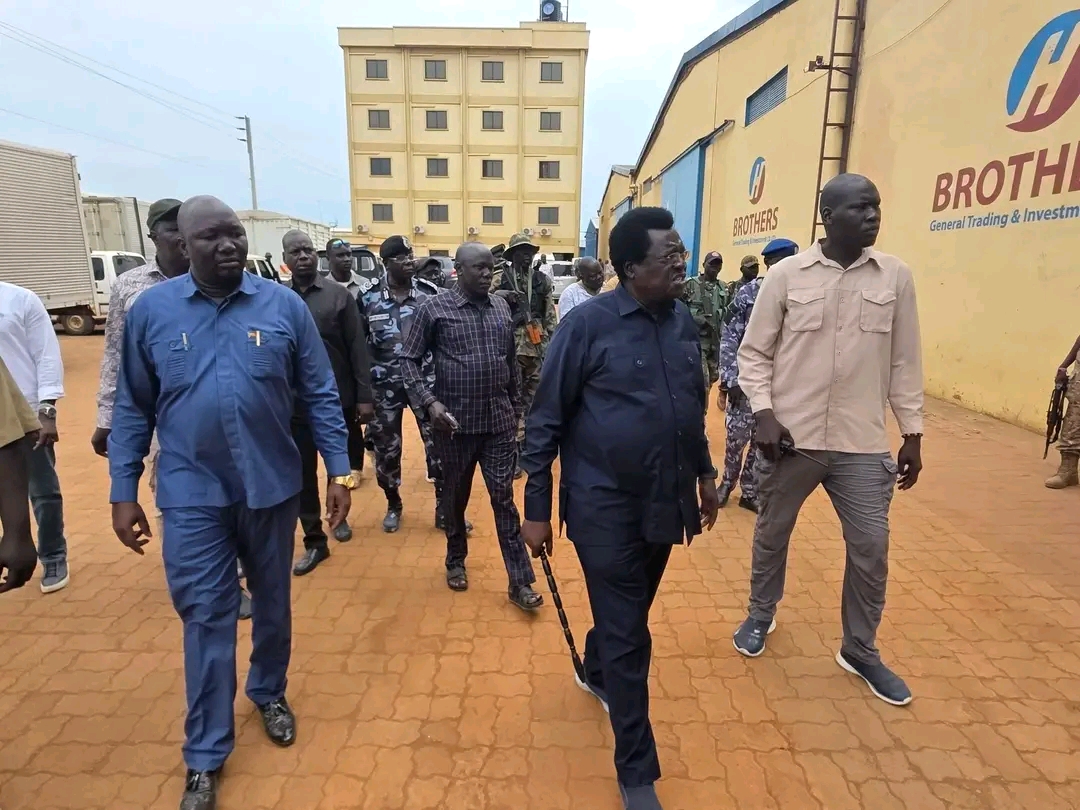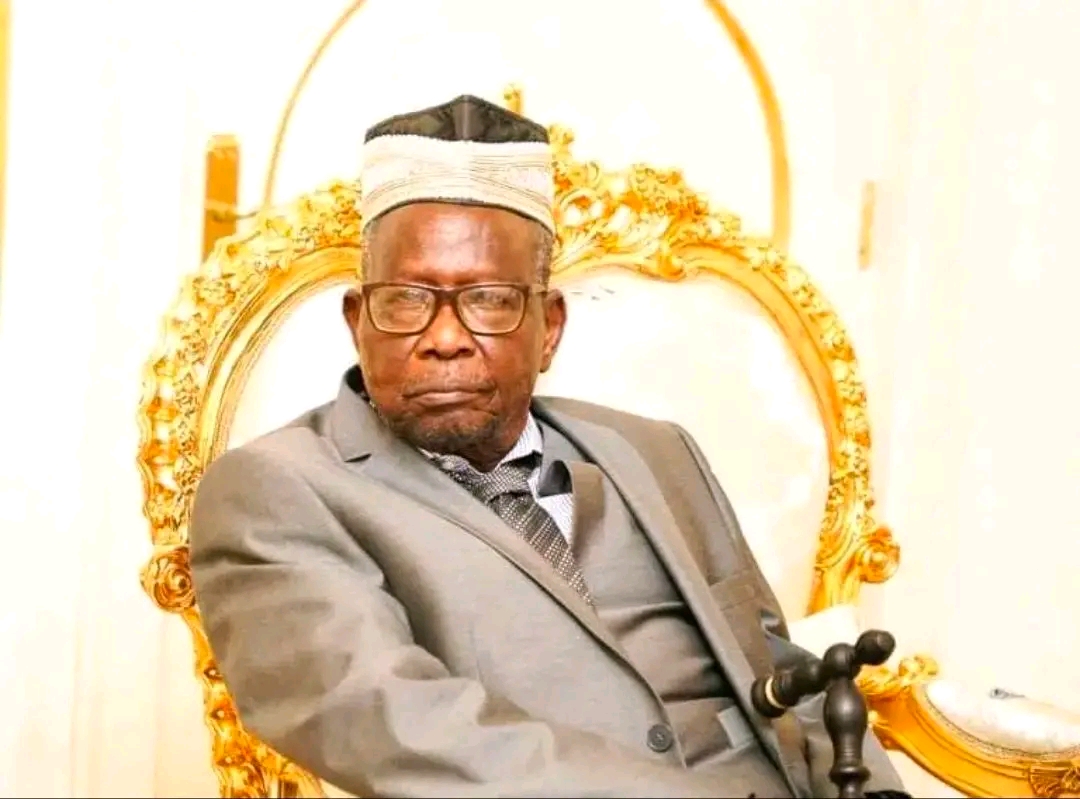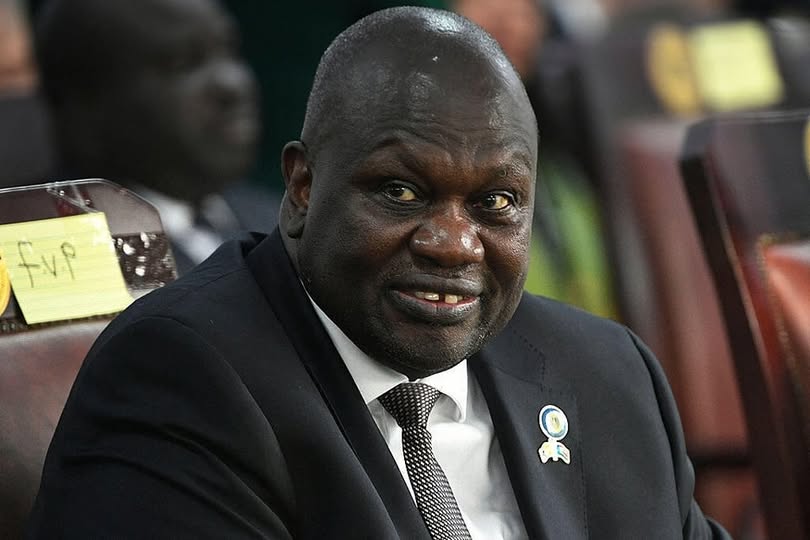
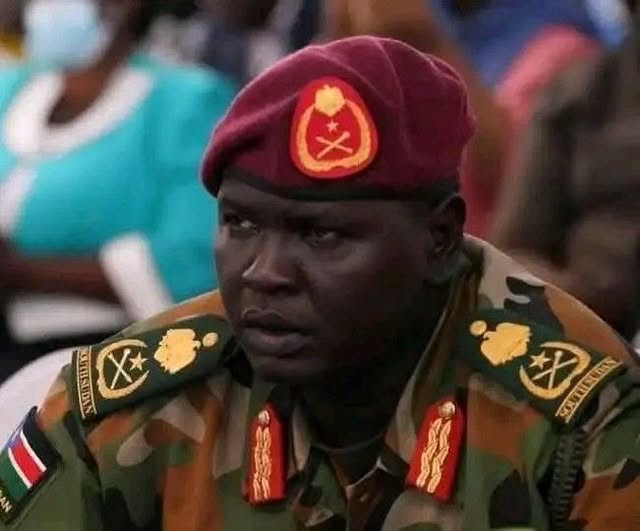
Lt. Gen. Gabriel Duop Lam on Monday continued presenting his defence before the Court, offering a detailed account of events which he said led to the deterioration of relations between the SSPDF and SPLA-IO before the fighting in Nasir.
Addressing the court, Duop recounted an incident at Bou Bridge in Western Equatoria, where he said SSPDF forces ordered SPLA-IO troops to vacate their base within 12 hours.
He told the court that local SPLA-IO commanders were surprised by the directive and sought clarification from their headquarters after learning senior SPLA-IO leadership had not been informed of the deployment.
Duop said he later contacted SSPDF Chief of Defence Forces Gen. Paul Nang to seek clarification over the movement of government forces.
According to his testimony, the two agreed to meet the following day, after which he submitted a formal letter documenting what he described as ceasefire violations under the Revitalised Peace Agreement.
He told the court that before receiving a response to the letter, additional SSPDF troops were deployed to Bou Bridge, leading to fighting along the Yambio-Wau road.
Duop testified that SPLA-IO forces initially withdrew to avoid bloodshed but were later attacked, resulting in a week of clashes and casualties on both sides.
The defendant further stated that the United Nations Mission in South Sudan (UNMISS) and the Ceasefire and Transitional Security Arrangements Monitoring and Verification Mechanism (CTSAMVM) later intervened, prompting SPLA-IO forces to reopen the Wau-Tombura road to allow SSPDF troops to withdraw safely.
Duop told the court that the Bou Bridge clashes occurred weeks before the Nasir incident and argued they reflected a broader pattern of tensions between the two forces.
Turning to the legal framework governing military deployments, Duop cited provisions of the 2018 peace agreement, saying that movements involving more than a company of soldiers without coordination through established security mechanisms constituted violations of the permanent ceasefire.
He also referred to the deployment of barges carrying artillery, aerial bombardments and the movement of thousands of SSPDF soldiers along the Sobat corridor, telling the court that these actions breached both the peace agreement and the SPLA Act.
Recounting his arrest and detention, Duop said investigators informed him of the charges against him in August 2025 before his transfer to court proceedings the following month.
He also described suffering a stroke during the trial after attending several court sessions, telling the court he had been denied medication for months before being taken to hospital for emergency treatment.
Addressing the charges against him, Duop denied that he failed to prevent the Nasir attack, insisting that the SPLA-IO command neither planned nor ordered any assault on SSPDF positions.
He also rejected allegations that he leaked classified information, telling the court that the document he shared with the then United States Ambassador to South Sudan, Michael Adler, had been issued by First Vice President Dr. Riek Machar and had already been circulated to members of the Troika.
According to Duop, the ambassador had contacted him to discuss the deteriorating security situation in Nasir and the government’s efforts to ease tensions. He maintained that no classified information was disclosed during their communication.
The Court adjourned proceedings until Wednesday, when Lt. Gen. Gabriel Duop Lam is expected to continue presenting his defence.