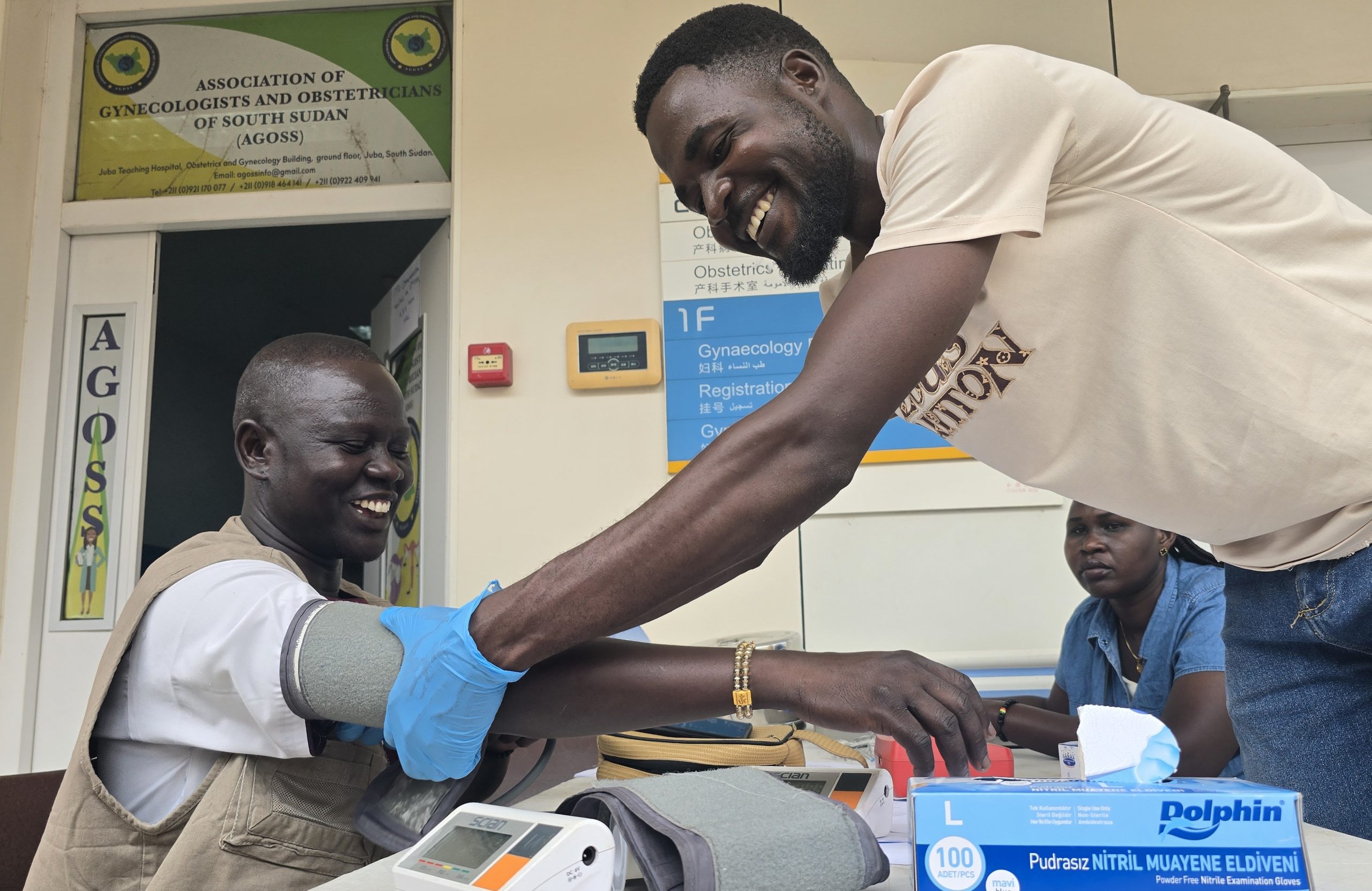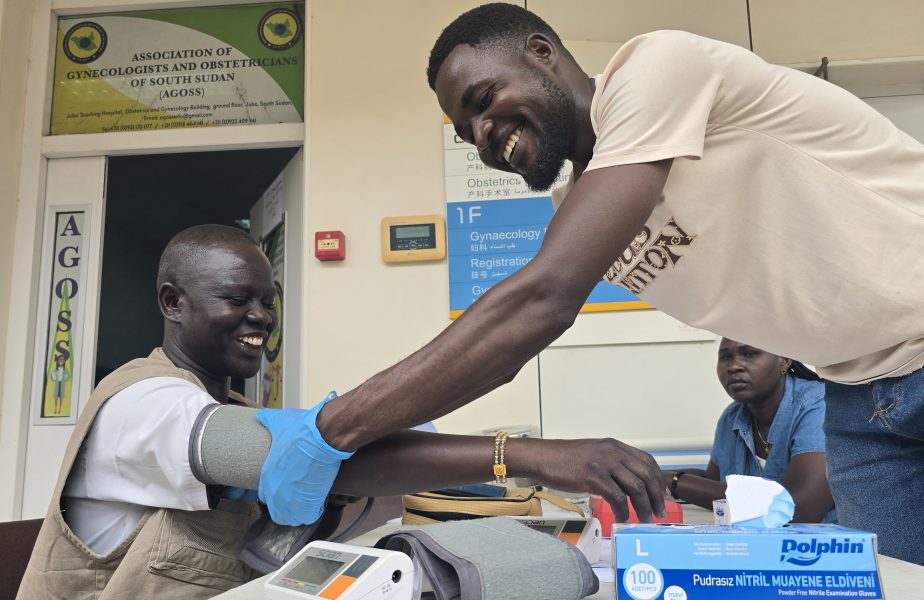
Doctors and health professionals in South Sudan are calling for increased blood donations to help prevent maternal deaths caused by severe bleeding after childbirth.
The appeal comes as health authorities and partners mark World Postpartum Haemorrhage Day, highlighting postpartum haemorrhage (PPH) as one of the leading causes of maternal death in the country.
At Juba Teaching Hospital, three women have died from postpartum haemorrhage in the past nine months, according to hospital authorities, underscoring concerns over access to emergency blood supplies for mothers experiencing severe bleeding.
Dr Anthony Simon Lupai, Director General of Juba Teaching Hospital, said the availability of blood can mean the difference between life and death for women suffering severe bleeding after delivery.
“Our focus is a hospital today because they are not being provided blood, and that is why we want to see that our country gets the awareness that bleeding mothers need blood,” Dr Lupai said.
He urged communities to take part in voluntary blood donation, saying saving mothers should be a shared national responsibility.
“Safe blood is a lifeline for mothers,” said Dr Piotius Bayo, WHO Technical Officer for Reproductive, Maternal and Newborn Health.
Bayo called for stronger use of data and routine maternal death reviews to identify preventable causes of maternal deaths and improve the quality of care.
He also identified community myths and misconceptions about blood donation as some of the barriers limiting blood supplies.
Angello Aroup Akeen, Director of the National Blood Transfusion Services, said preventing deaths from postpartum haemorrhage requires the involvement of communities, health workers, government and development partners.
“It is a collective responsibility to contribute to a sustainable means to ensure no mother loses a life when giving birth due to lack of blood,” Aroup said.
He warned that blood reserves must be maintained to ensure hospitals have emergency supplies when women experience life-threatening bleeding.
Health professionals say postpartum haemorrhage requires immediate medical intervention because severe blood loss can rapidly become fatal if treatment and blood transfusion are delayed.
Repent Khamis George, President of the South Sudan Nurses and Midwives Association and Principal of Juba College of Nurses and Midwives, called for greater investment in nurses, midwives and doctors, as well as stronger referral systems and emergency obstetric services.
He also urged communities to attend antenatal care, support blood donation and ensure women can access blood when emergencies occur.
Health workers say insecurity, weak infrastructure, shortages of skilled personnel and limited medical supplies continue to complicate efforts to reduce maternal deaths in South Sudan.
They are now calling for stronger blood transfusion systems and increased public awareness to ensure that women who suffer severe bleeding during or after childbirth can receive timely treatment.