Women peacebuilders in South Sudan have been urged to strengthen their involvement in conflict prevention, mediation and electoral processes as the country prepares for its forthcoming elections.
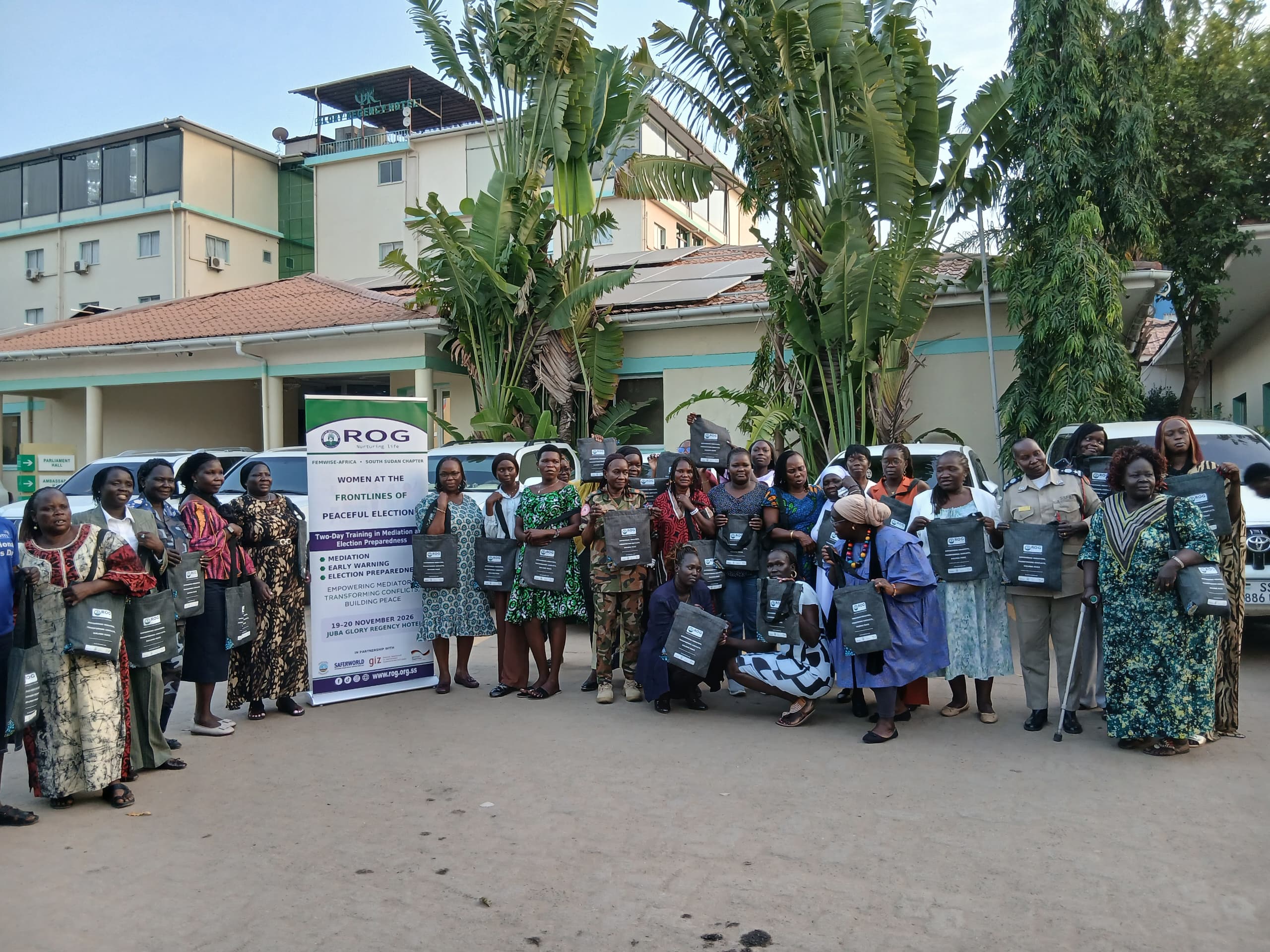
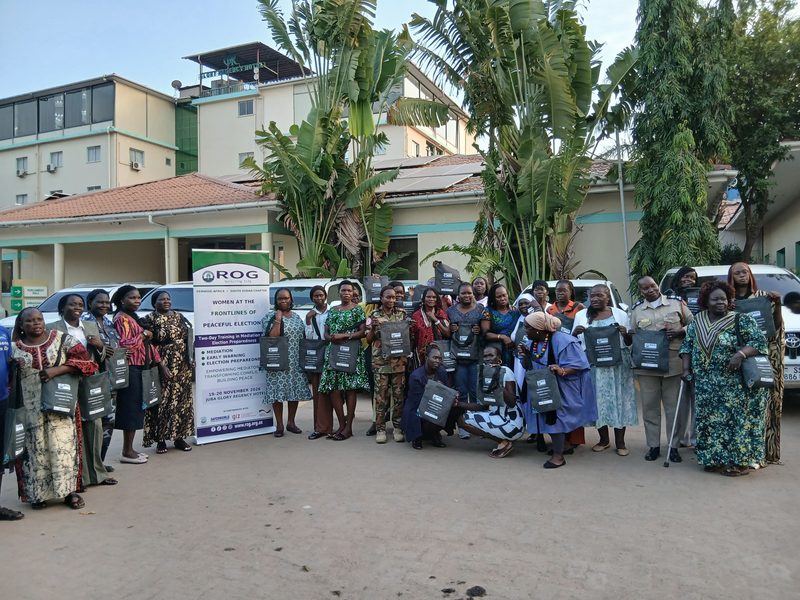
The call followed the conclusion of a two-day training on mediation and election preparedness organised by Root of Generations (ROG) in partnership with Saferworld, with support from the International Conference of the Great Lakes Region (ICGLR) and the German Agency for International Cooperation (GIZ).
The training, which ended on Friday, 20 November 2026, brought together members of the FemWise-Africa South Sudan Chapter, women from security institutions and other peacebuilding actors under the theme, “Women at the Frontline of Peaceful Elections.”
It sought to strengthen women’s practical capacity in conflict prevention, early warning, mediation and inclusive dialogue, while preparing them to address tensions that could emerge before, during and after elections.
The initiative also responds to recommendations from the African Union Women Solidarity Mission to South Sudan, which highlighted the importance of strengthening women’s engagement in peacebuilding and political processes.
Speaking during the opening ceremony, Grace Dorong, Executive Director of Root of Generations, said women should be recognised not merely as participants in peace processes but as important actors in identifying early warning signs and preventing conflicts within their communities.
“At Root of Generations, we see women as more than participants in the peace process. Women are mediators, early-warning voices and trusted community leaders,” Dorong said.
She said women could help counter rumours, encourage respectful dialogue and reduce tensions through their established relationships and influence within communities.
Dorong added that peaceful elections required collective responsibility from women, political leaders, government institutions and communities.
Florence Night Otto Luttay, Chairperson of the FemWise-Africa South Sudan Chapter, said the training came at a critical time as the country prepared for elections, stressing that women mediators needed to be involved throughout the electoral process.
“Now that elections are at the corner, we need to get prepared, and this is part of our preparation,” Otto said.
She encouraged participants to take the sessions seriously and acquire practical skills that would enable them to respond to emerging conflicts and contribute to peaceful electoral processes.
The government also emphasised the importance of women’s involvement in promoting peaceful and inclusive elections.
Hon. Adeng Andrew Malual, Caretaker Minister of Gender, Child and Social Welfare, said coordination between government institutions, security agencies, civil society organisations, political stakeholders and local communities was necessary to build public trust.
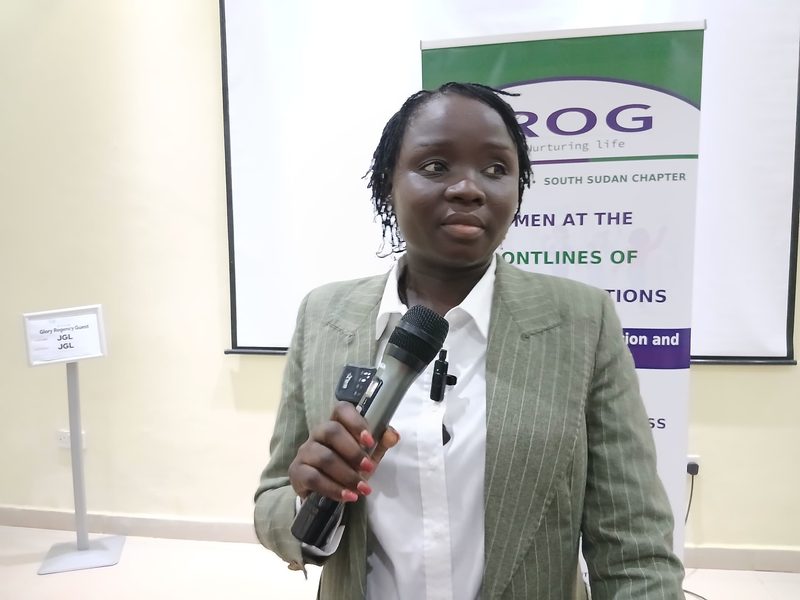
She described elections as an opportunity to strengthen institutions, public confidence, peace and national unity rather than simply a political exercise.
Malual also encouraged women to pursue leadership opportunities despite criticism and negative reactions, including on social media.
She urged women to use their influence to encourage citizens to participate in voter registration and exercise their civic rights.
“You guys are very powerful. One message from you on radio, television, even on the street, everyone will go and register,” she said.
Women call for stronger participation and support
At the conclusion of the training, participants said the sessions had improved their understanding of women’s rights, mediation and their responsibilities in promoting peaceful participation.
Sr. Mary Ryekotho, a member of the FemWise South Sudan Chapter, said the training had strengthened women’s confidence and equipped them with information and practical approaches to engage in decision-making and advocate for their rights.
She said some women had previously lacked adequate information about their rights and opportunities to participate in leadership, but the training had helped address those knowledge gaps.
“We are standing on our two feet and going well armed with all sorts of information, the methodology to be used, and this message is going to reach everyone,” Ryekotho said.
She expressed confidence that women would use the knowledge acquired to mobilise communities and encourage greater participation in the forthcoming elections.
Ryekotho said the engagement should extend beyond women alone, calling for the involvement of young people, men and other stakeholders in addressing issues affecting South Sudanese communities.
She also highlighted the importance of building stronger networks among women across different states, arguing that collective action would help strengthen their advocacy and peacebuilding efforts.
Reflecting on women’s experiences in political contests, she noted that some FemWise members had participated in primary elections but were unsuccessful. However, she said their experiences could help prepare other women to pursue leadership opportunities.
Despite the confidence expressed by participants, the availability of resources emerged as a major concern for sustaining women’s engagement.
Luttay warned that although women might acquire the necessary skills, limited financial support could restrict their ability to participate effectively throughout the electoral process.
She called for continued collaboration between FemWise South Sudan Chapter and Root of Generations, as well as sustained support from the partners who financed the training.
She said the chapter would also continue mobilising its own resources to advance women’s participation and fulfil its peacebuilding mandate.
From training to community action
In her closing remarks, Dorong challenged participants to move beyond the knowledge gained during the workshop and translate it into practical action within their communities.
She said the conclusion of the two-day training should mark the beginning of sustained efforts by women to promote peace, stability and national unity.
“The two days have finally come to an end, but I would like to say this has marked the beginning of the real work that we have been talking about in this place,” Dorong said.
She encouraged women to make peacebuilding part of their everyday responsibilities by engaging neighbours, children and other community members in conversations about peaceful coexistence.
“Women will begin not only to cook our food and our supper this evening, but to talk about peace, to talk about stability, to talk about love for this nation,” she said.
Dorong further urged participants to encourage eligible citizens to register to vote and take part in choosing their leaders.
She thanked FemWise South Sudan Chapter for partnering with Root of Generations and called for continued cooperation among women working to promote peace and transformation in the country.
As South Sudan prepares for its planned elections, the training has highlighted the role women peacebuilders can play in addressing community tensions, promoting dialogue and encouraging inclusive civic participation.
However, whether the skills acquired will translate into sustained engagement will depend partly on continued coordination, adequate resources and opportunities for women to participate meaningfully in the electoral and peacebuilding processes.