Teenage pregnancy remains a major concern in Uganda’s West Nile region, with communities in Terego and surrounding border areas facing persistent challenges linked to child marriage, teenage motherhood and the disruption of girls’ education.
The issue is particularly significant in Terego, a district close to South Sudan, where communities on both sides of the border share social, cultural and economic ties.
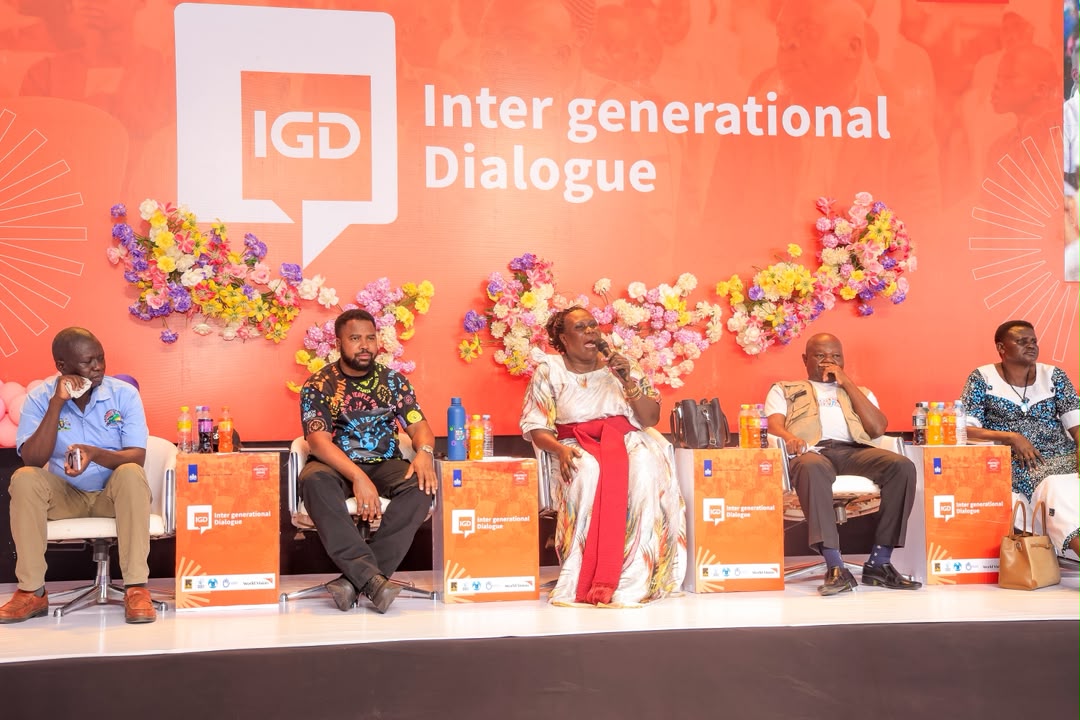
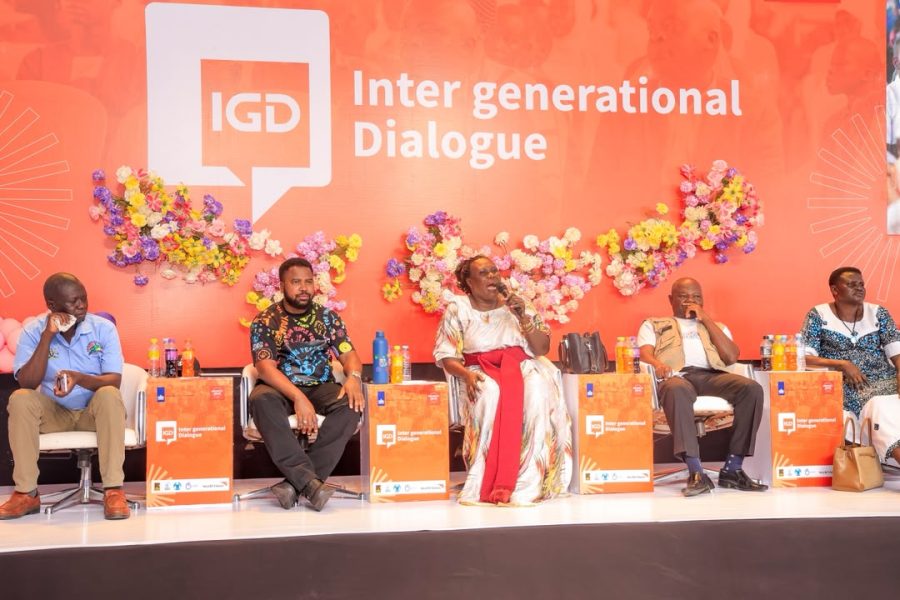
At an intergenerational dialogue held at Legu Grounds on September 30, stakeholders called for stronger community action to prevent teenage pregnancies and protect adolescents from circumstances that can expose them to early sexual activity, exploitation and child marriage.
The dialogue also brought together young people, parents, community leaders, health workers, local government officials and civil society organizations under the PROTECT SRHR program.
Terego District Woman Member of Parliament Rose Obigah urged authorities and communities to take stronger measures to protect girls. She also called for tighter regulation of daytime discos and earlier closure of night markets, arguing that some of these environments expose young people to risks.
“I want to tell my people of West Nile, and the people of Terego in particular, what is going to stop teenage pregnancies, child mothers and child marriages in Terego,” Obigah reiterated.
She also called for night markets to close by 6:30 p.m., questioning why some remain open until late at night when children may accompany their parents.
“How can markets go up to almost 11 at night, 10 at night? And where will the children be?”
For Terego, the challenge extends beyond the district itself. The district is part of Uganda’s West Nile region, which borders South Sudan and has long-standing cross-border family, cultural and economic links.
Movement between communities can make issues affecting adolescents increasingly important for both sides of the border. Teenage pregnancy can have consequences beyond childbirth, including interrupted education and limited opportunities for young mothers.
This makes prevention, access to adolescent friendly health services and keeping girls in school important not only as health interventions, but also as measures that can influence the future social and economic wellbeing of border communities.
According to Terego District Health Management System data presented during the PROTECT SRHR performance review, the district’s teenage pregnancy rate declined from 21 percent to 20 percent between September and December 2025.
Although the decline points to progress, the figures indicate that teenage pregnancy remains a significant challenge to host and refugee communities in the West Nile region and South Sudan border communities.
At regional level, the 2022 Uganda Demographic and Health Survey reported that 14.6 percent of women aged 15–19 in West Nile had had a live birth. The measure is different from Terego’s teenage pregnancy rate and should therefore not be directly compared with the district figure.
Obigah also called for stronger adolescent friendly services in health facilities across Terego. She further called for young people to be given greater space to explain the challenges they face in their daily life.
“We are going to create youth-friendly corners in all the health centers. The DHO has to do this immediately, we are going to visit schools and make sure the children speak out. The parents will also speak out, and we will see how we can reach common ground,” she added.
The emphasis on listening to adolescents stems from the growing recognition that interventions require preventing teenage pregnancy need to involve young people themselves rather than relying solely on decisions made by adults.
When girls become pregnant, they may face pressure to leave school, marry or take on responsibilities at a young age. The resulting loss of education can reduce their future opportunities and deepen economic vulnerability.
For border communities where families frequently depend on cross-border livelihoods, maintaining access to education and reproductive health information is therefore critical.
For communities in Terego and neighboring areas, tackling teenage pregnancy requires more than a single intervention. Health workers, parents, schools, local authorities, cultural and religious leaders, civil society organizations and young people all have a role to play.
As Uganda and South Sudan continue to manage movement and relations along their shared border, issues affecting young people including access to education, healthcare and protection from child marriage remain important parts of the wider wellbeing of border communities.
PROTECT SRHR a four-year program focuses on sexual and reproductive health and rights, education, economic empowerment, social norms, inclusive governance and seeks to reduce teenage pregnancies, child marriage, sexual and gender-based violence, preventable maternal deaths and new HIV infections while improving retention and completion of girls and boys in primary and secondary education.