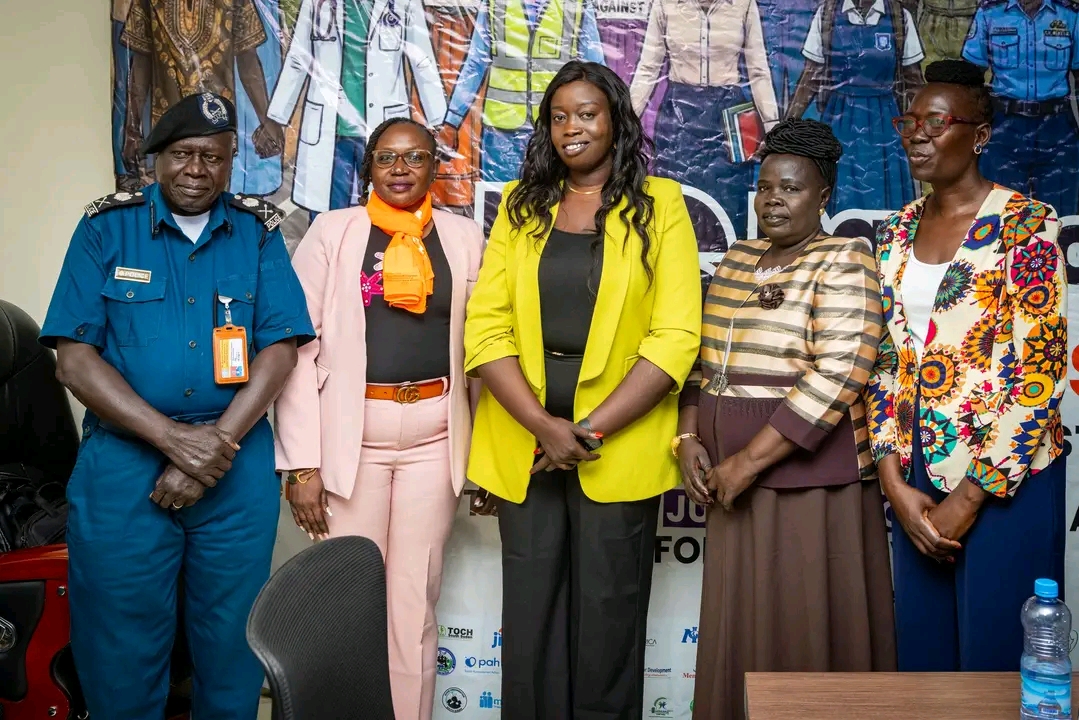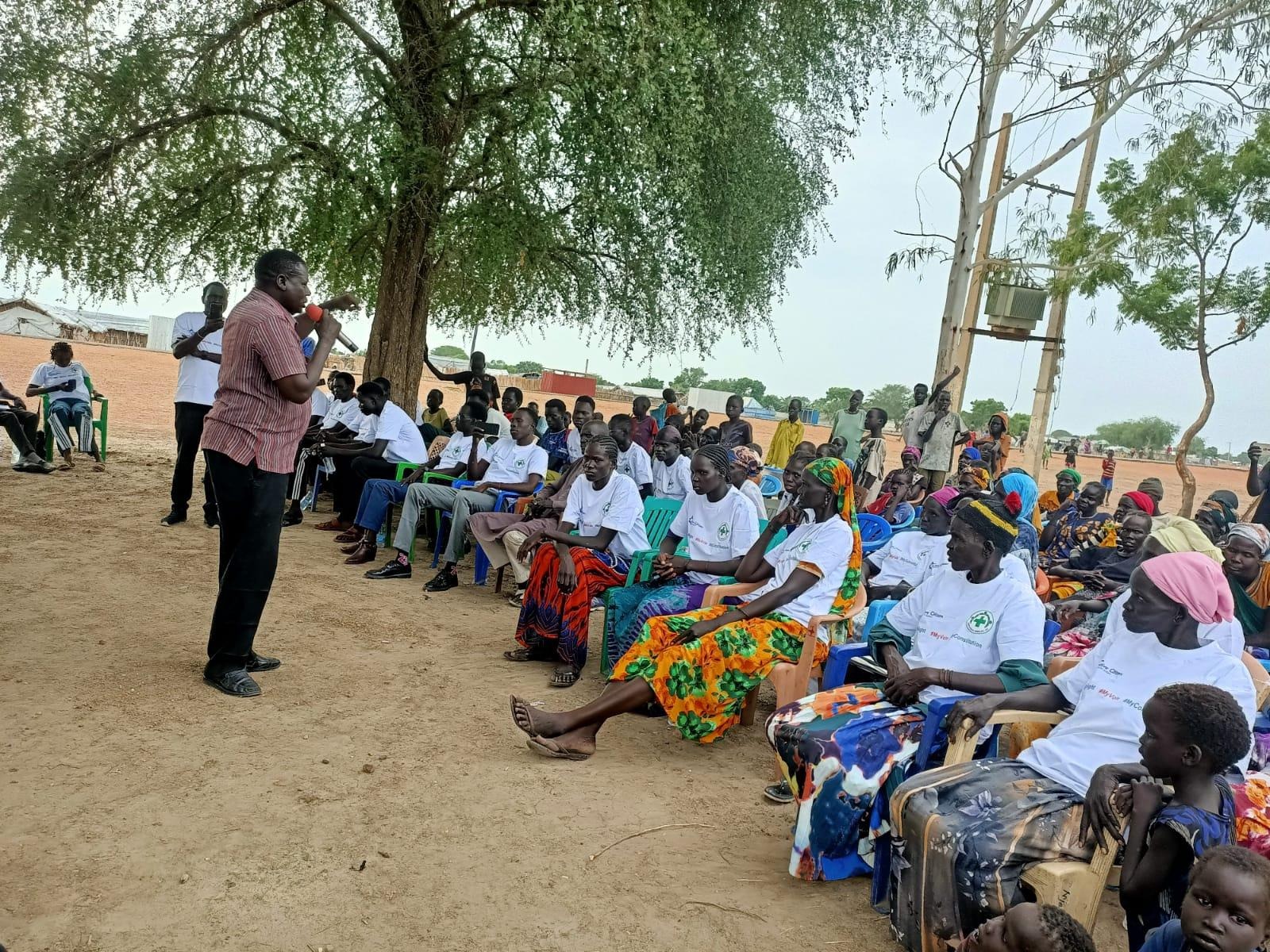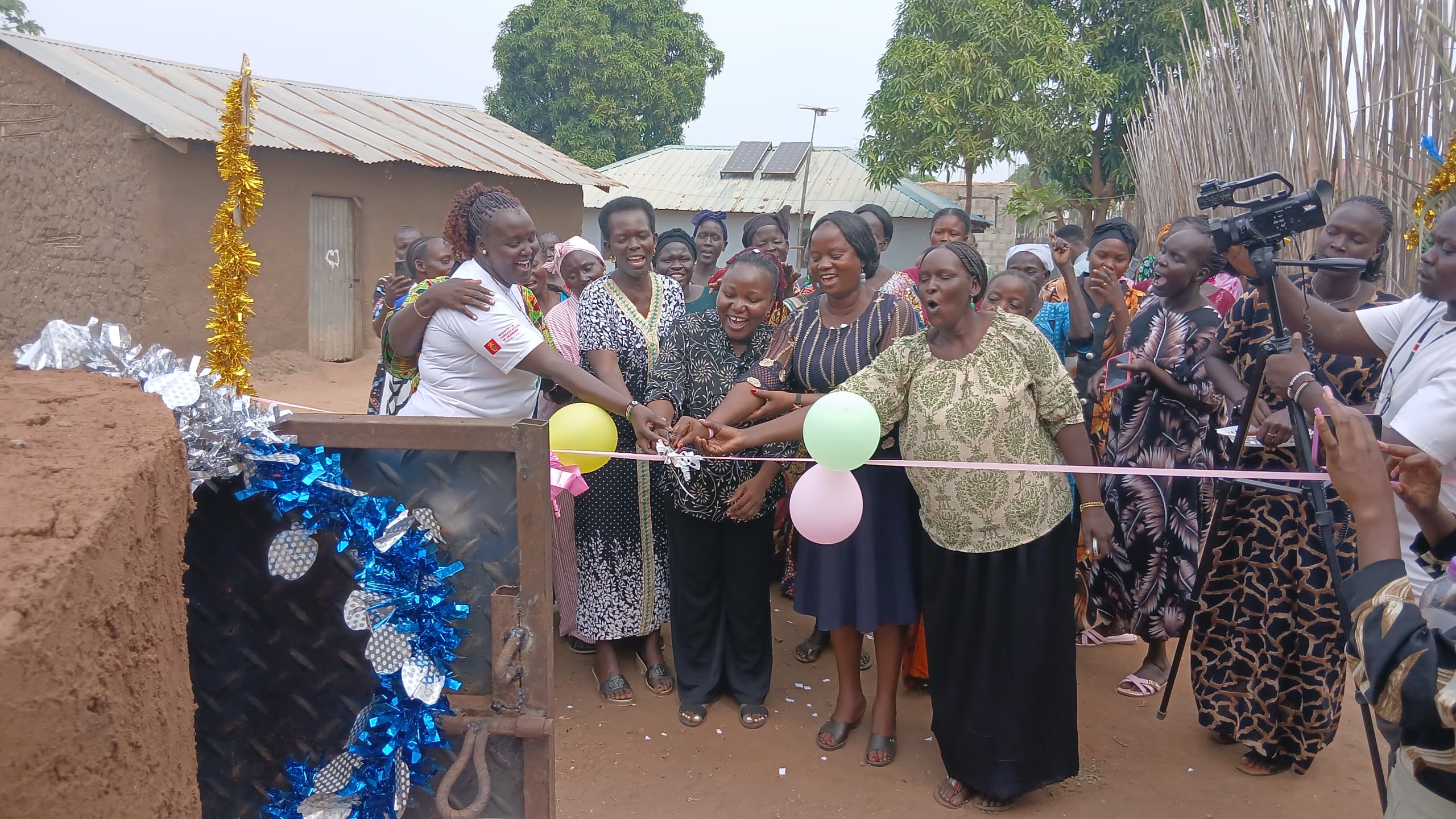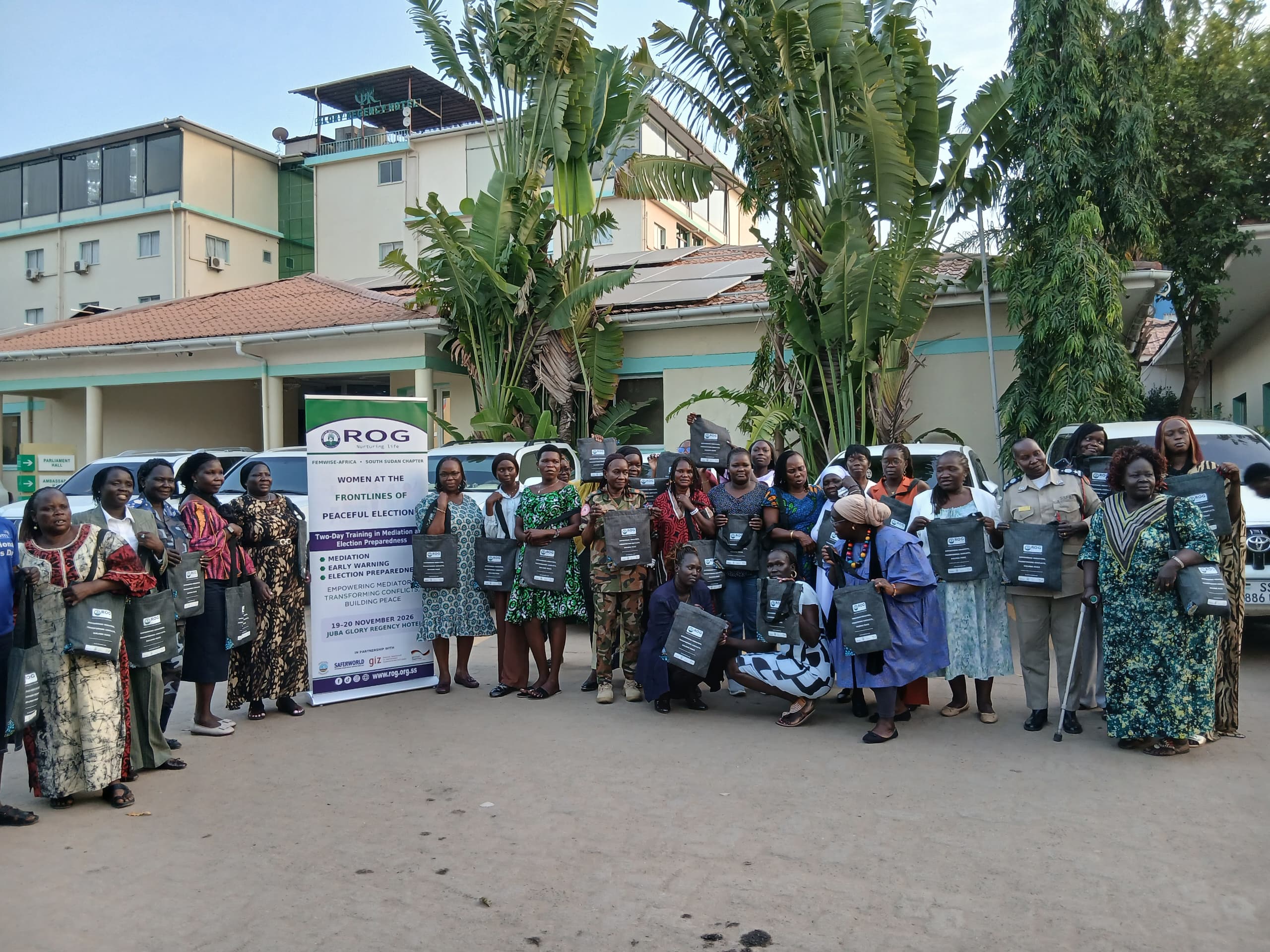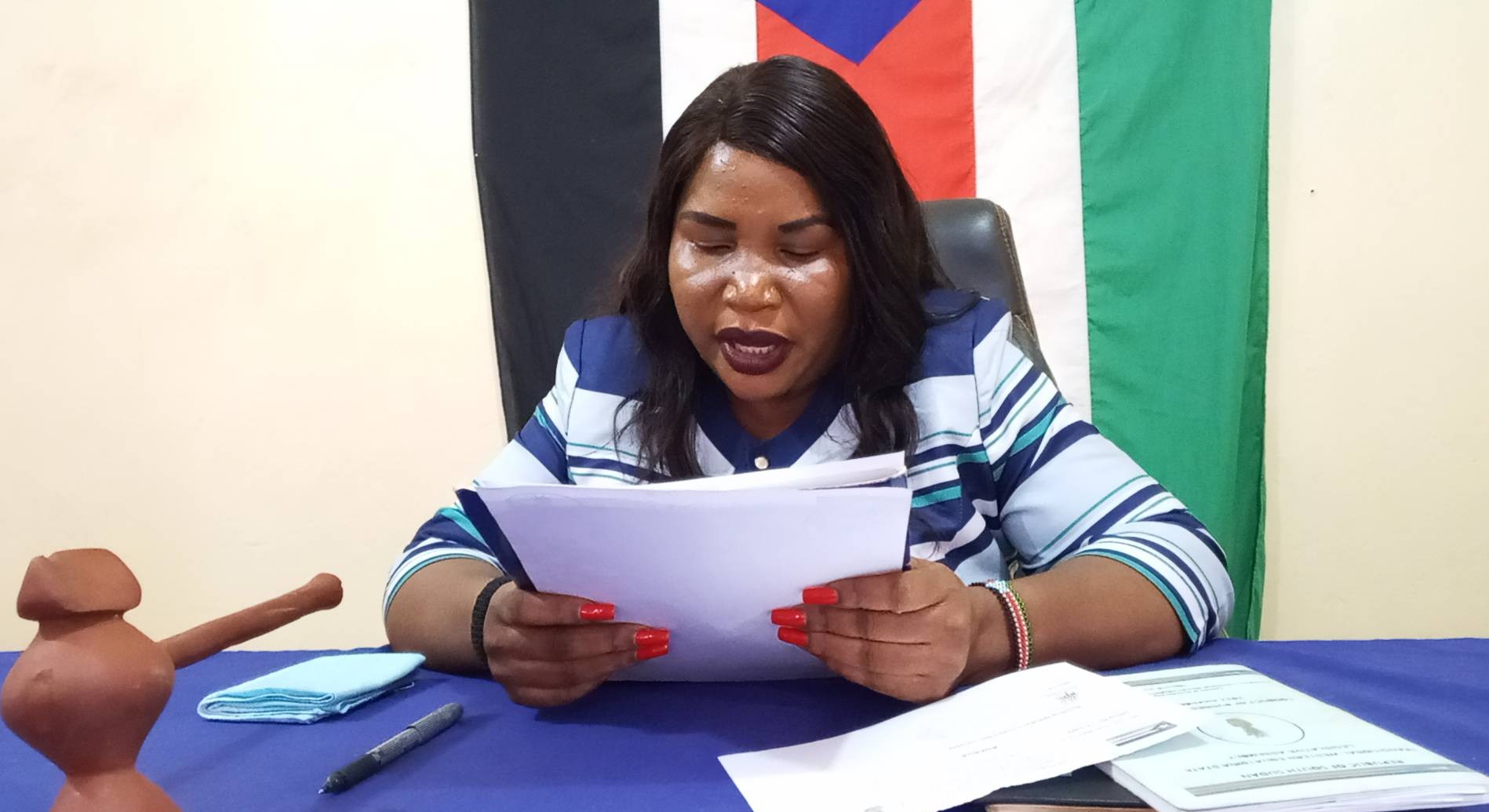
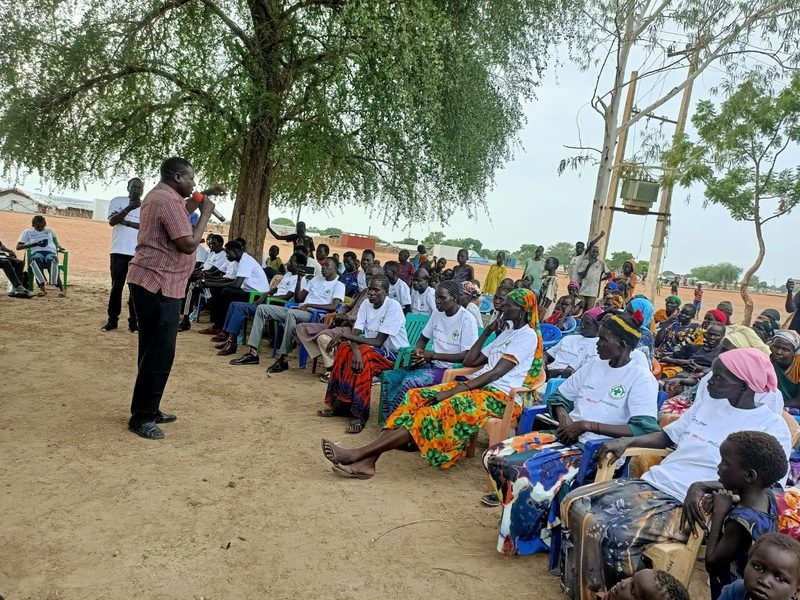
Bentiu IDP camp residents participate in a civic education awareness campaign in Bentiu. (Photo: ACSS)
A civic education campaign in Bentiu, Unity State, has opened avenues for dialogue between internally displaced persons (IDPs) and local authorities, providing displaced communities with an opportunity to strengthen their understanding of electoral processes, citizens’ rights and participation in democratic governance.
For more than a decade, communities living in Bentiu’s IDP camps have faced persistent challenges, including rebuilding their livelihoods, accessing civic education and participating in governance discussions.
In an effort to promote public participation in peacebuilding and governance, Active Citizen South Sudan (ACSS), with support from Norwegian People’s Aid (NPA), conducted a civic education awareness campaign in the area this month to address the information gap.
The engagement attracted more than 1,000 community members, including women, youth, traditional authorities and other local stakeholders.
Speaking during the campaign, Nyiir Chuol, chairperson of the Community High Committee (CHC), said the engagement was important in helping displaced communities understand national developments and recognise their responsibilities in peacebuilding and governance.
“Functions like this campaign today help communities to understand what is happening around them.
It also gives us, the communities, the chance to ask questions about what we do not know, dispel wild rumours circulating around us and create awareness about citizens’ roles in nation-building, peace and participatory governance,” he said at the IDP camp.
The event also provided residents with an opportunity to raise concerns, seek clarification on electoral procedures and discuss issues surrounding the country’s political environment.
Participants raised questions about uncertainties surrounding the elections and stressed the importance of reliable information in countering rumours that could create fear, mistrust and tensions within communities.
Chuol also called on local authorities to prioritise peace and address the difficult living conditions facing residents in the area.
“We are not ready for another crisis. Enough is enough. We are now under floodwater.
There is no space for cultivation nor land for grazing. Other means of transport, such as roads, to conduct business are also cut off. We want peace and unity to accelerate local stability,” he added.
He said the concerns reflected the broader challenges facing displaced residents, many of whom continue to struggle with flooding, limited livelihood opportunities and economic hardship.
He added that it was time to restore livelihoods, improve access to essential services and rebuild communities.
Meanwhile, a representative of the State Electoral Commission, who identified himself as Jeremy because he was not authorised to speak to the media, reassured participants about the commission’s constitutional responsibility to promote transparent electoral processes and public confidence in their outcomes.
“No one will be hurt in this exercise. I know many may ask this question: Who are you to talk about security? Since I am not a state governor or an army division commander, let me assure you that we, the Election Commission, have the constitutional mandate to ensure that the electoral process and elections are transparent,” he said.
He encouraged citizens to participate in the electoral process and use public suggestion boxes, which he said would be made available in every county, to communicate their concerns to the commission.
“For those of you who are here in Bentiu, you should come to our head office for anything you feel is not clear to you,” he added.
The electoral official urged residents not to rely on unverified information and encouraged them to exercise their civic rights through participation in the electoral process.
For ACSS, the campaign forms part of broader efforts to strengthen public awareness and participation in democratic governance, particularly among communities whose voices are often underrepresented in public decision-making.
Gai Makiew Gai, a project officer at ACSS, said the organisation designed the intervention to bridge the information gap among displaced communities.
“Sometimes, the IDPs are left out of some discussions, and it is our mandate as the voice of the citizens to bridge that gap,” he said.
Gai said creating spaces for dialogue between communities and public institutions reinforced the importance of informed citizenship and constructive engagement in shaping the country’s future.
On November 14, the National Elections Commission (NEC) rescheduled the long-awaited elections to February 11, 2027, according to its revised electoral calendar.
As South Sudan navigates its electoral process, concerns raised by Bentiu residents highlight the importance of ensuring that civic education reaches displaced persons and other vulnerable communities, enabling them to access reliable information and participate meaningfully in decisions affecting their future.