At an age when they should be sitting in classrooms, playing with friends and thinking about their futures, some girls in Yei are already raising children.
Earlier this year, Nunu Diana, Director General in the Central Equatoria State Ministry of Gender and Child Social Welfare, said she encountered 10 girls aged between 13 and 15 at a market in Mugo, Yei County.
None of the girls was attending school.
All, she said, had already become mothers.
“These are evidences that you can see. It’s not a theory, but these are practical evidences,” Diana said.
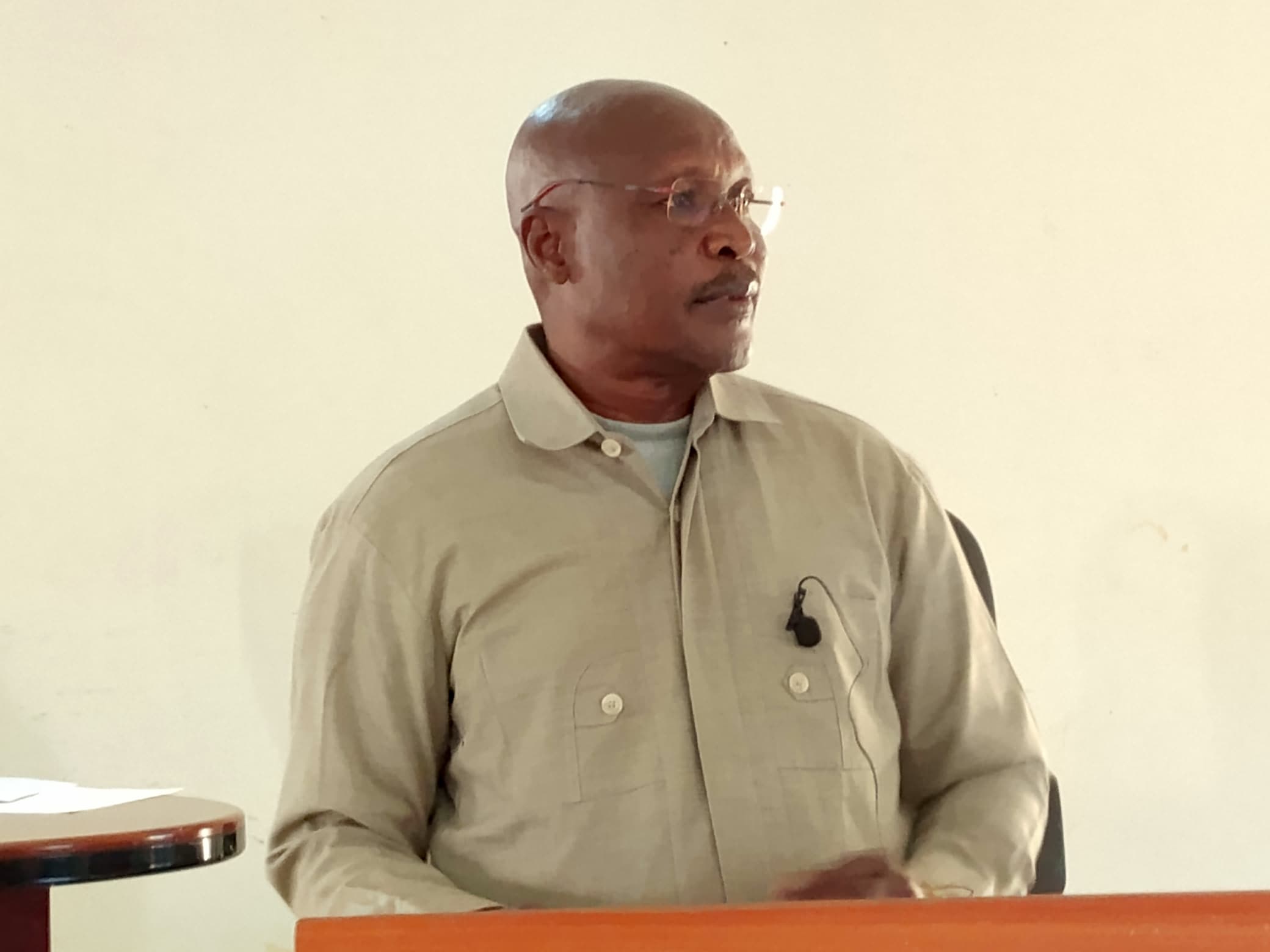
Her account brought the human cost of child marriage and teenage motherhood into sharp focus during a two-day conference of traditional leaders from across Central Equatoria State.
For the girls Diana encountered, the market had become part of their daily lives at a time when many children their age would normally be in school.
Their stories also highlight how early motherhood can cut short a girl’s education and expose her to adult responsibilities before she is ready for them.
Diana said the situation was a reminder that efforts to end child marriage must go beyond policies and national commitments and reach families and communities where girls are growing up.
She also pointed to Terekeka County, where she said many young girls selling milk along the streets appeared to be children who should still be attending school.
“These are practical evidences” of the challenges facing girls, Diana told the gathering.
The conference brought together paramount chiefs to review progress under their 2026 Resolution Action Plan, developed within the Strategic National Action Plan on Ending Child Marriage in South Sudan, which runs from 2017 to 2030.
Traditional leaders discussed what they can do at community level to prevent child marriage, protect children and encourage girls to remain in school.
Regina Lullo, Director General in the National Ministry of Gender, Child and Social Welfare, urged the chiefs to take their commitments seriously.
She highlighted Terekeka among areas where child-marriage cases have been reported and called for communities across Central Equatoria to work together.
“We are not leaving any county behind when it comes to issues of ending child marriage,” Lullo said.
Traditional leaders have significant influence in many communities, including through customary processes, dispute resolution and community guidance. Their involvement is therefore being viewed as important in changing attitudes and practices that can put girls at risk.
But officials say chiefs cannot solve the problem alone.
Diana called for joint action involving traditional leaders, government institutions, civil society organisations, women’s groups and young people.
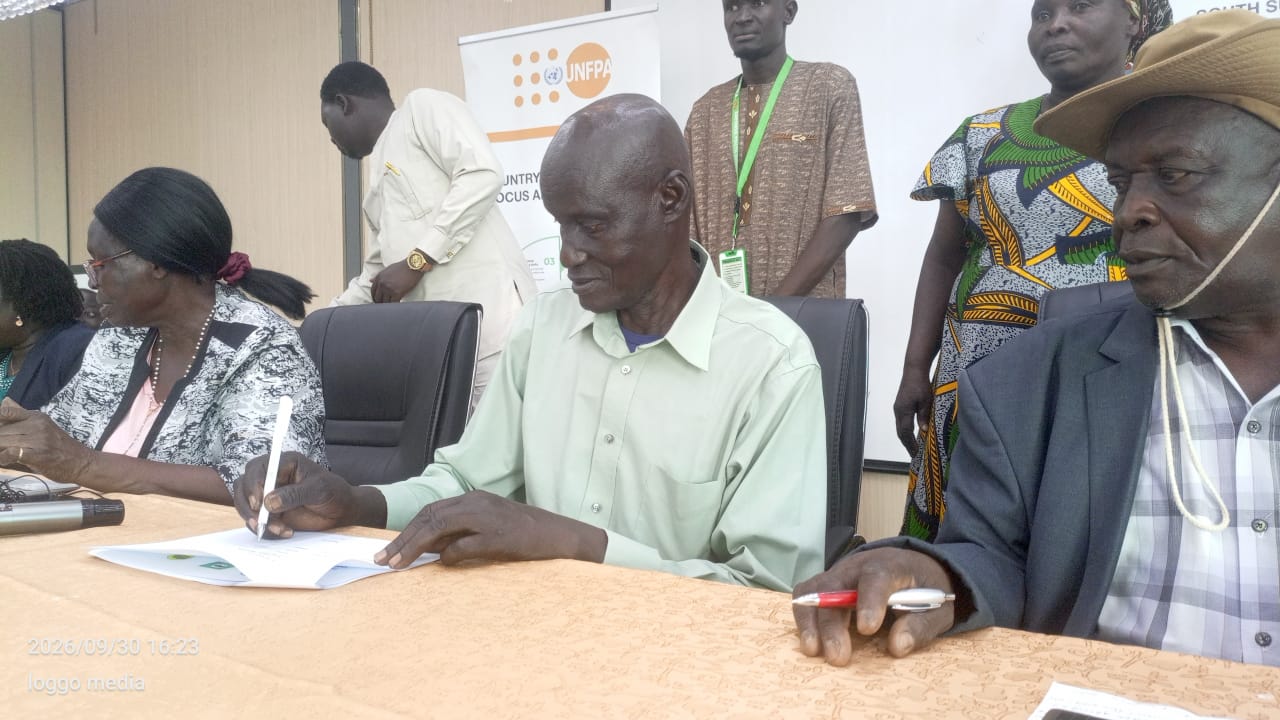
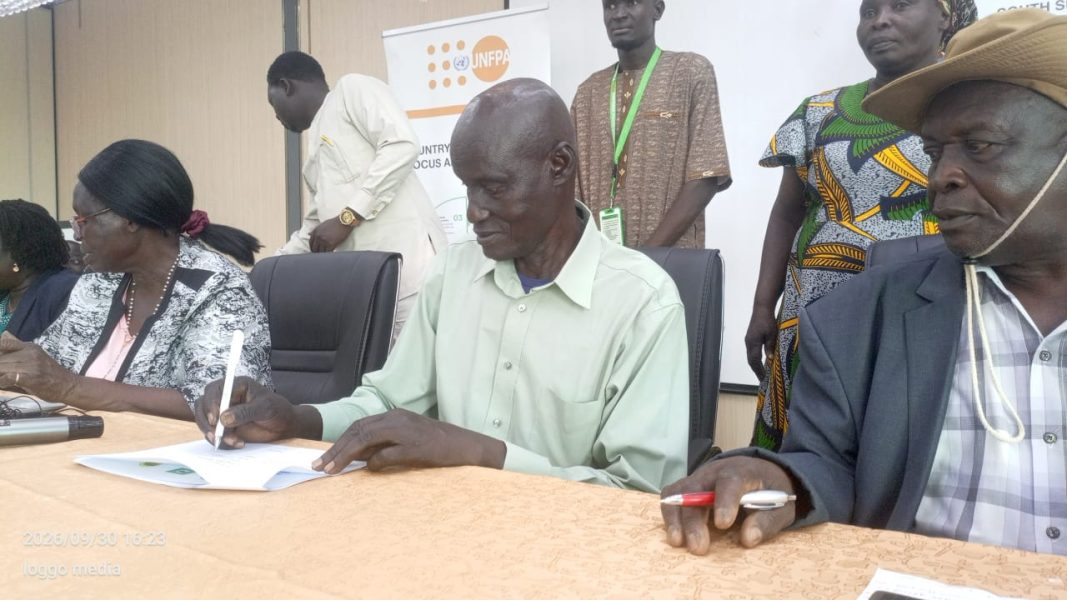
At the end of the two-day conference, the paramount chiefs signed a pledge committing themselves to strengthening efforts to prevent child marriage and protect girls.
Speaking on behalf of the chiefs, Joseph Brown called for continued community sensitisation and cooperation among traditional leaders, government and other stakeholders.
The pledge now leaves the conference room and returns with the chiefs to their communities.
For the 10 girls encountered in Mugo, however, the issue is already personal.
At 13 to 15 years old, they are mothers instead of students — a reality the chiefs now say they must confront in their communities.
The challenge will be turning the signed commitment into action that keeps girls in school, prevents early motherhood and gives children the chance to grow into adulthood before taking on adult responsibilities.