
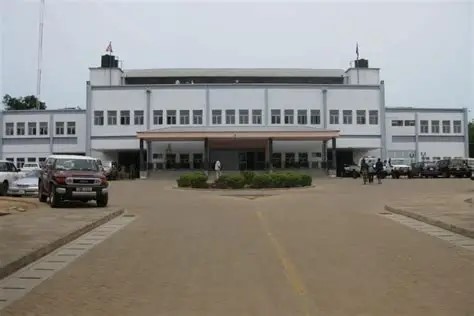
South Sudan’s Transitional National Legislative Assembly (TNLA) has summoned the ministers of defence and interior, along with the governor of Warrap State, to explain the deteriorating security situation in the Greater Tonj area following a surge in deadly intercommunal violence.
The decision was reached during Wednesday’s parliamentary sitting after Warrap State lawmaker Kornelio Mawien Dhor tabled an urgent motion highlighting what he described as an alarming escalation of violence across the region.
Presenting the motion, Mawien said recurring intercommunal clashes, cattle raids and revenge attacks had intensified throughout July, claiming hundreds of lives, displacing families and leaving communities living in fear.
He warned that the continued deterioration of security was eroding public confidence in state institutions and undermining the rule of law, urging the government to take immediate and decisive action to restore order.
Mawien also identified the widespread possession of firearms among civilians as a key factor fuelling the violence, arguing that the proliferation of illegal weapons has made local disputes increasingly deadly and difficult for authorities to contain.
Deputy Speaker of Parliament Ambrose Lomin directed that the ministers of defence and interior, together with the governor of Warrap State, appear before the assembly to respond to lawmakers’ concerns and outline measures being taken to address the crisis.
He subsequently deferred debate on the motion until the summoned officials present their briefing before parliament.
Greater Tonj, comprising Tonj North, Tonj South and Tonj East counties in Warrap State, has experienced repeated cycles of communal violence in recent years, largely driven by cattle raiding, revenge attacks and competition over resources.
Despite several government-led peace initiatives and security deployments, deadly clashes have continued to claim lives and disrupt livelihoods.
Lawmakers said they expect the forthcoming parliamentary session to provide clarity on the government’s security strategy and identify additional measures needed to protect civilians and prevent further bloodshed in the region.