South Sudan’s planned December 2026 elections are facing growing risks from renewed violence, shrinking civic space and persistent impunity, the United Nations Commission on Human Rights in South Sudan has warned.
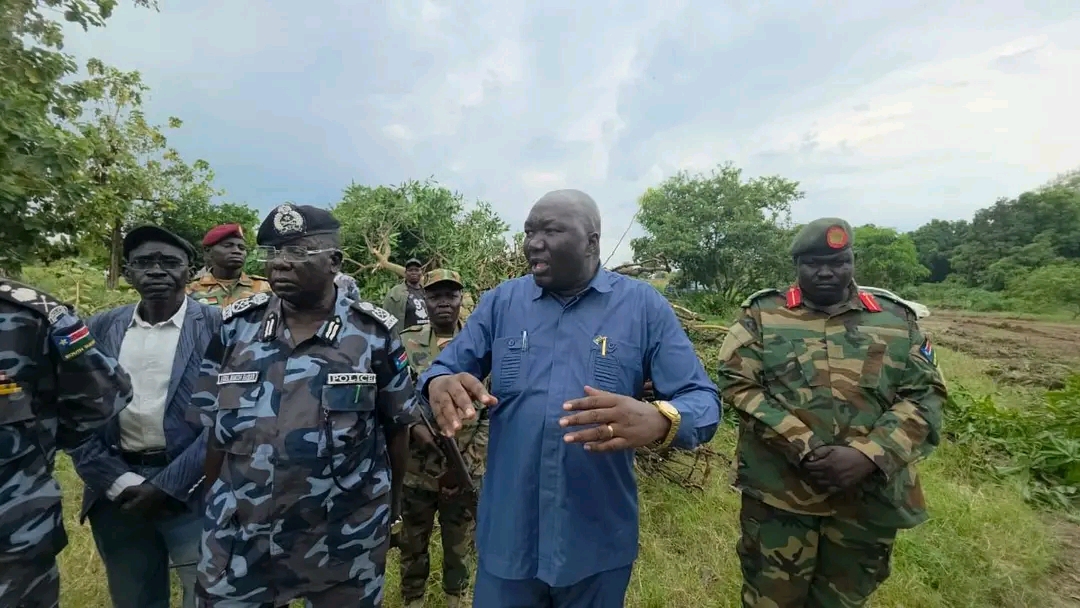
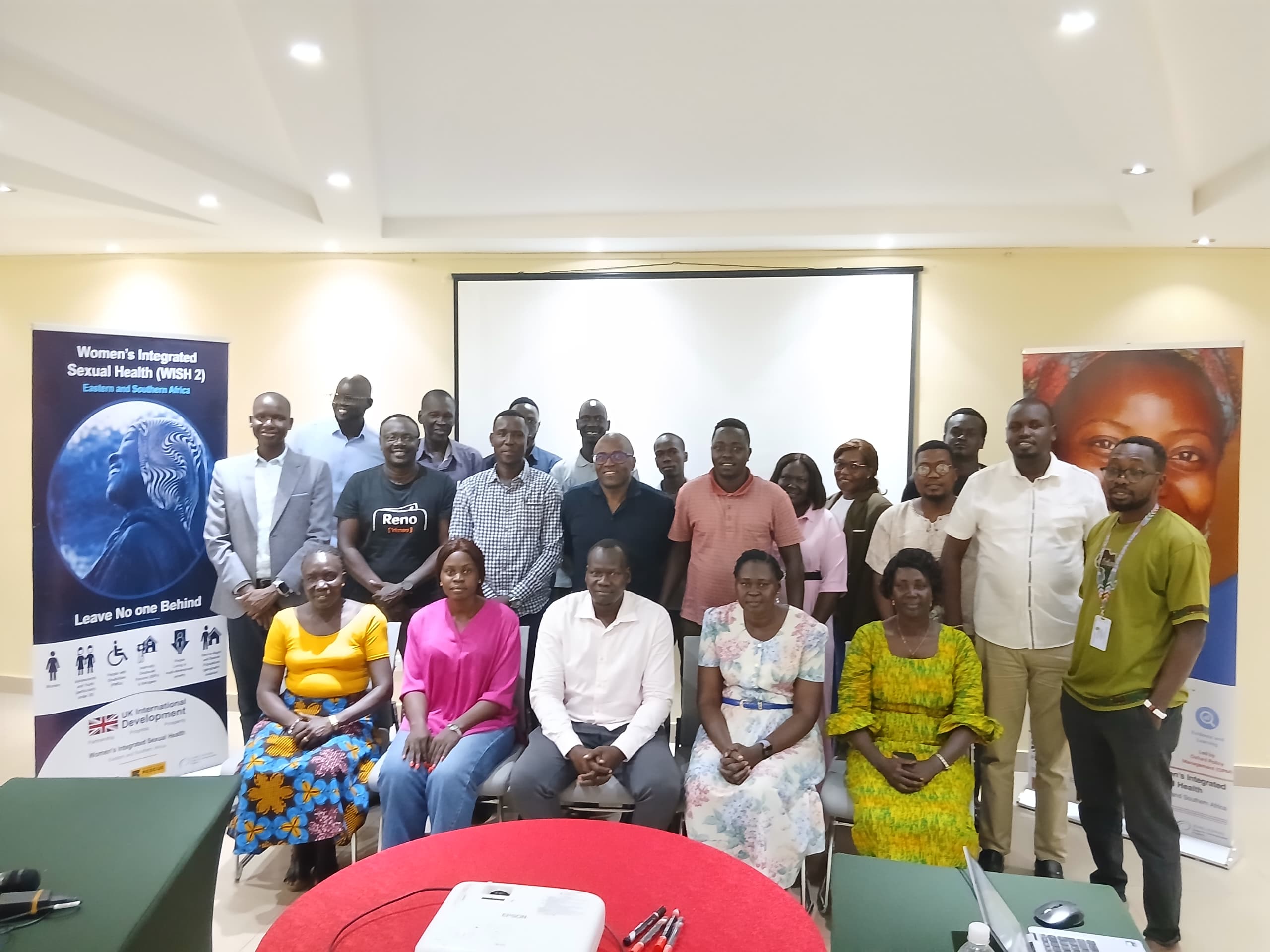
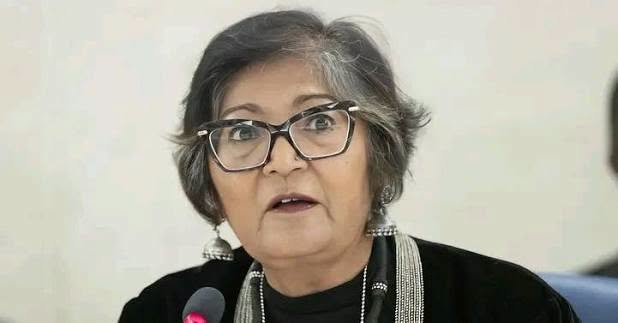
The warning came as the Commission concluded a four-day visit to South Sudan, during which its Chairperson, Yasmin Sooka, travelled to Bor and met survivors of recent fighting in northern Jonglei.
The survivors, including women and girls, reportedly described killings, sexual violence, displacement and separation from family members, as well as limited access to medical and psychosocial support.
Sooka said the testimonies reflected a pattern the Commission has repeatedly encountered during its visits to the country.
“Visit after visit, we continue to hear from people who bear the consequences of violence, displacement, insecurity and the failures of those with political and security responsibilities to prevent and address those harms,” she said.
The latest warning comes as South Sudan prepares for elections intended to mark the end of a prolonged transitional period that followed years of political and armed conflict.
South Sudan descended into civil war in December 2013, two years after gaining independence, when political tensions within the ruling Sudan People’s Liberation Movement (SPLM) escalated into fighting in Juba between forces loyal to President Salva Kiir and those aligned with his then-deputy, Riek Machar.
The conflict quickly spread to other parts of the country, resulting in widespread killings, displacement, sexual violence, destruction of property and a major humanitarian crisis.
A peace agreement signed in 2015 temporarily brought the main parties together, but renewed fighting in Juba in July 2016 deepened the political and security crisis.
After years of negotiations and continued fighting, the government and opposition groups signed the Revitalized Agreement on the Resolution of the Conflict in South Sudan (R-ARCSS) in September 2018.
The agreement provided for a transitional government, security arrangements, constitutional reforms, transitional justice and elections at the end of the transition.
However, implementation of the agreement has repeatedly fallen behind schedule, with disagreements between political parties, security concerns, lack of trust and delays in key reforms contributing to extensions of the transitional period.
The latest extension has pushed the planned elections to December 2026.
The UN Commission says the remaining period must be used to create conditions in which citizens can participate safely and freely in the political process.
Commissioner Barney Afako said South Sudanese have a right to vote, but that right must be protected through meaningful political and civic freedoms.
“South Sudanese do have a right to vote; that right must be protected by ensuring they can participate freely, compete fairly, and resolve any electoral disputes through credible adjudication,” Afako said.
The Commission warned that elections held without essential safeguards and genuine, inclusive political dialogue could instead contribute to renewed conflict and increase the risk of atrocity crimes.
It called for dialogue involving political parties, holdout groups, civil society organisations, women and youth, saying no major political constituency should be excluded from discussions about the country’s future.
The Commission also urged authorities to release detained political opponents unless they are promptly brought before an independent and impartial court in accordance with due process and human rights standards.
Beyond the political process, the Commission expressed concern over continuing attacks against civilians and civilian infrastructure, disruption of humanitarian operations and increasing insecurity facing humanitarian workers.
It highlighted the recent attack on a UNMISS patrol in Jonglei that killed two peacekeepers and injured others, calling for a prompt, thorough and independent investigation and accountability for those responsible.
The Commission said humanitarian needs are also increasing while funding remains inadequate, forcing aid organisations to scale back assistance.
It stressed that continued humanitarian support and the civilian protection mandate of the United Nations Mission in South Sudan (UNMISS) remain critical as the country approaches the elections.
Accountability remains another major concern.
The Commission renewed its call for the establishment of the Hybrid Court for South Sudan and the full operationalisation of the Commission for Truth, Reconciliation and Healing and the Compensation and Reparation Authority.
It also raised concern over what it described as limited progress in implementing recommendations contained in its 2025 report on corruption and economic crimes.
Commissioner Carlos Castresana Fernández said failure to hold perpetrators accountable had contributed to a culture of impunity.
“When violations go unpunished and public resources are diverted without consequence, impunity becomes entrenched, and that breeds violence,” he said.
The Commission is urging the government, political parties and armed groups to support de-escalation, protect civilians, guarantee humanitarian access and accelerate implementation of the 2018 peace agreement.
It also called on the African Union, IGAD and the United Nations to intensify preventive diplomacy and support an inclusive, consensus-based political transition.
For South Sudan, the December elections represent a potential turning point after years of war, failed peace efforts and prolonged political transition.
But the UN Commission says the vote can only contribute to lasting peace if citizens are able to participate freely, political parties can compete fairly, disputes can be resolved through credible institutions and those responsible for abuses are held accountable.
Sooka said the country still has an opportunity to change course before the elections.
“What is needed now is genuine dialogue and political will – not another cycle of promises,” she said.
The Commission said information gathered during its latest visit, including testimonies from survivors in Bor, will contribute to its ongoing investigations and reporting to the UN Human Rights Council in February 2027.