South Sudan is developing its first national training curriculum for disaster risk management as the country seeks to improve how it prepares for, responds to and recovers from emergencies.
The curriculum is intended to provide a common national framework for training officials and other actors involved in disaster preparedness and response at national, state and county levels.
South Sudan is regularly affected by floods, drought, disease outbreaks, conflict and displacement, which have disrupted livelihoods, damaged infrastructure and placed additional pressure on already limited public services.
The country adopted its National Disaster Risk Management Policy in 2021, but officials say gaps in institutional capacity, technical expertise and coordination have continued to hamper effective disaster preparedness and response.
The new curriculum follows a national disaster risk reduction capacity assessment conducted in April, which identified weaknesses in existing systems and called for a nationally owned training framework.
The curriculum was developed using the ADDIE approach – Analysis, Design, Development, Implementation and Evaluation – and is designed to focus on practical skills, climate adaptation, community resilience and locally led disaster management.
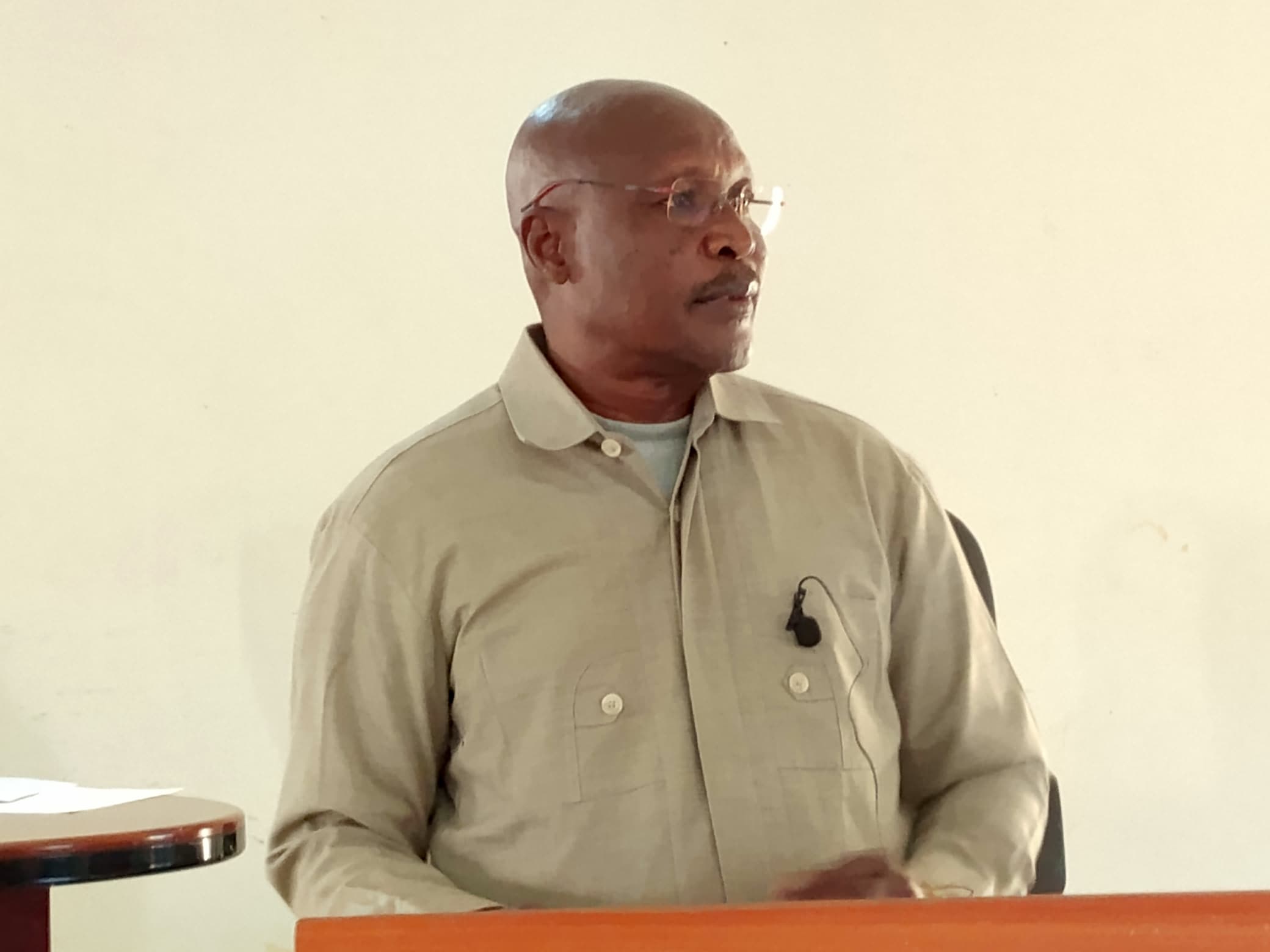
Dr Joshua Banak, Director General at the Ministry of Humanitarian Affairs and Disaster Management, described the initiative as a milestone for the country.
“This is the first time for us as a government to develop a nationally owned disaster risk management training curriculum through an inclusive process,” Dr Banak said.
He said previous training programmes had lacked a unified national standard, resulting in different approaches among institutions.
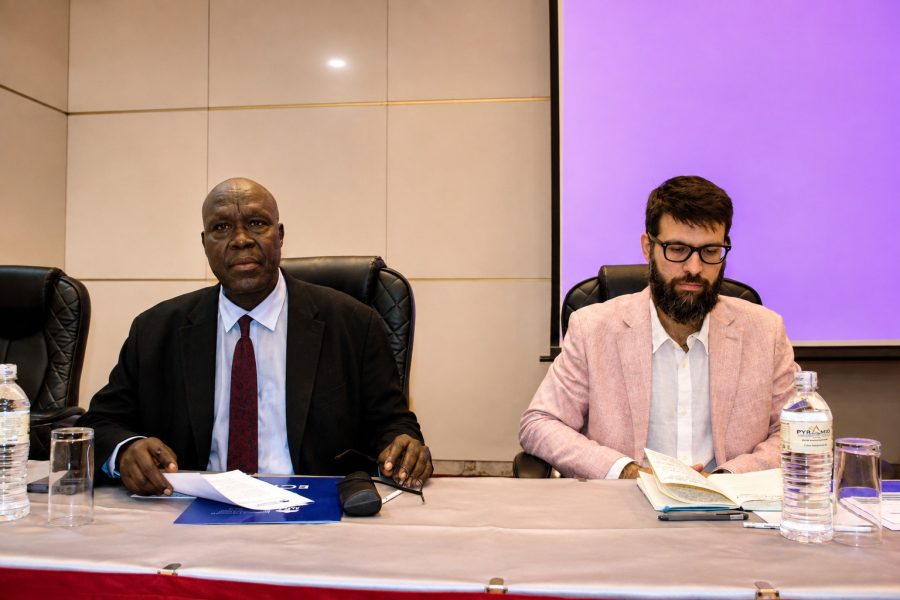
IOM Operations Coordinator Niccolò Alberto Chiesa said the validation workshop was an important quality-assurance stage before the curriculum is finalised and training materials are produced.
William Chan Achuil Agany, Undersecretary at the ministry and chairperson of the National Platform for Disaster Risk Reduction, said preparedness should begin before emergencies occur.
He said the curriculum would help officials and communities better understand what actions should be taken before, during and after disasters.
Once approved, the curriculum is expected to serve as the national framework for building disaster-management skills across government institutions and humanitarian partners.
Officials say the ultimate aim is to improve coordination, strengthen community resilience and enable faster responses when disasters strike.
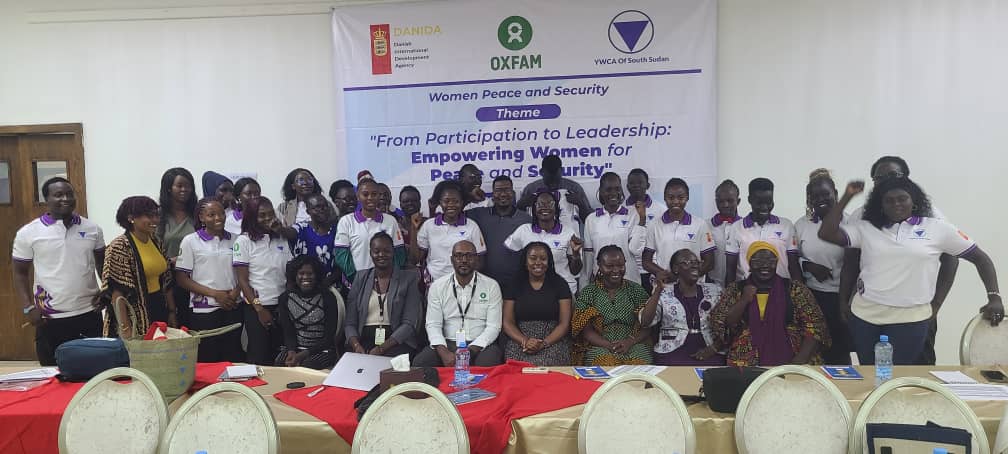
The two-day validation workshop, held in Juba from 6 to 7 August, brought together government officials, humanitarian organisations and members of the National Disaster Risk Reduction Platform.
The initiative is led by the Ministry of Humanitarian Affairs and Disaster Management, with technical support from the International Organization for Migration (IOM) and funding from the World Bank through the Enhancing Community Resilience and Local Governance Project Phase II.
For South Sudan, where recurrent floods, drought and other emergencies continue to affect vulnerable communities, the initiative marks a shift towards building preparedness and resilience rather than relying primarily on response after disasters occur.