South Sudan has opened the three-day Global Logistics Convention 2026 in Juba, with regional and international stakeholders calling for stronger transport networks, improved trade facilitation and deeper cooperation to unlock Africa’s economic potential.
The convention, hosted at the Pyramid Continental Hotel under the theme “Transport and Logistics as a Catalyst for Africa’s Integrated and Sustainable Economic Growth,” brings together government officials, private-sector players and representatives of regional and international logistics organisations.
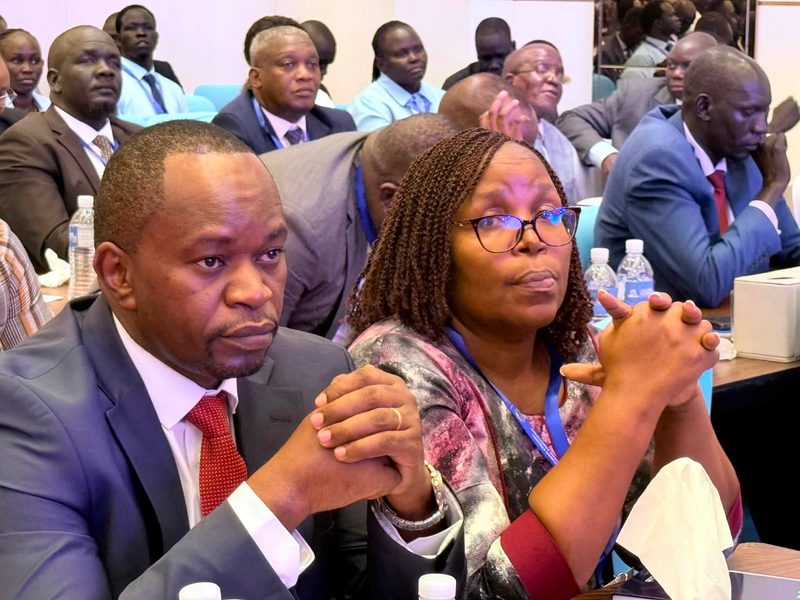
The opening ceremony was attended by senior South Sudanese government officials alongside representatives of the African Continental Free Trade Area (AfCFTA) Secretariat, the East African Community (EAC), regional economic communities, the Northern Corridor, the International Federation of Freight Forwarders Associations and the Federation of East African Freight Forwarders Associations (FEAFFA).
The Minister of Transport, Rizik Zachariah Hassan, representing President Salva Kiir Mayardit as guest of honour, officially opened the convention and commended the South Sudan Freight Forwarders Association (SSFFA) for convening what he described as an important platform for advancing the country’s logistics sector.
The minister said a stronger logistics industry is critical to South Sudan’s economic development, particularly through increased private-sector participation.
He reaffirmed the government’s commitment to supporting and strengthening the private sector, saying a vibrant private sector is essential for attracting investment, creating employment opportunities and driving sustainable economic growth.
Minister Rizik also stressed the importance of cooperation between government and private-sector actors in addressing the infrastructure and regulatory challenges affecting the movement of goods within South Sudan and across the region.
Deng Daniel, president of the SSFFA, said Africa’s fragmented markets and inadequate transport infrastructure continue to make the movement of goods expensive, slow and less competitive.
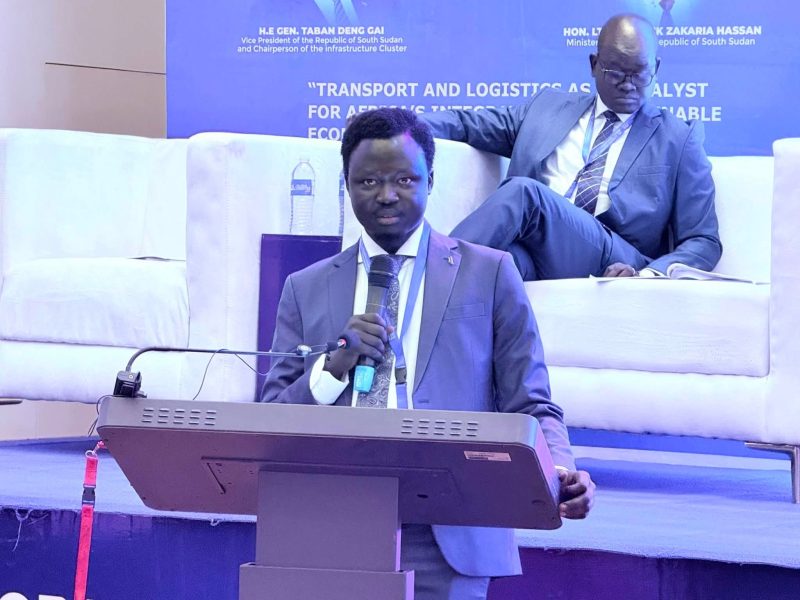
He said South Sudan faces additional challenges because of its landlocked position, limited paved road network, insecurity along some transport routes, underdeveloped river transport and inefficient border procedures.
Daniel called for greater investment in strategic regional transport corridors, particularly the LAPSSET Corridor, while urging the rehabilitation of barge transportation along the White Nile to provide an alternative and more efficient route for moving goods.
He also highlighted the importance of what he termed “soft infrastructure”, including harmonised customs procedures, digital trade documentation, the removal of non-tariff barriers and the establishment of a National Single Window to simplify trade processes.
The SSFFA president urged stakeholders to move beyond policy discussions and implement practical measures capable of connecting South Sudan’s major economic regions and strengthening its links with neighbouring markets.
He proposed improved infrastructure connections between Juba and Yambio, Wau, Abyei, Upper Nile, Nadapal, Pochalla, Nimule and Kaya, with public-private partnerships playing a central role in financing and delivering the projects.
Daniel further called for specialised financing mechanisms for logistics companies and greater investment in young professionals to build the skills required for a modern and competitive logistics industry.
The convention is expected to produce practical recommendations aimed at improving regional connectivity, lowering the cost of trade and supporting the implementation of the AfCFTA through increased intra-African commerce.
For South Sudan, stakeholders say improved logistics infrastructure and trade facilitation could help the country take greater advantage of its strategic location within the East African region while reducing the high cost of transporting goods to and from its markets.