Women’s rights advocates in South Sudan are calling for greater participation in the country’s planned 2026 elections, saying women should have opportunities not only to vote but also to contest for leadership and influence decisions at community, state and national levels.
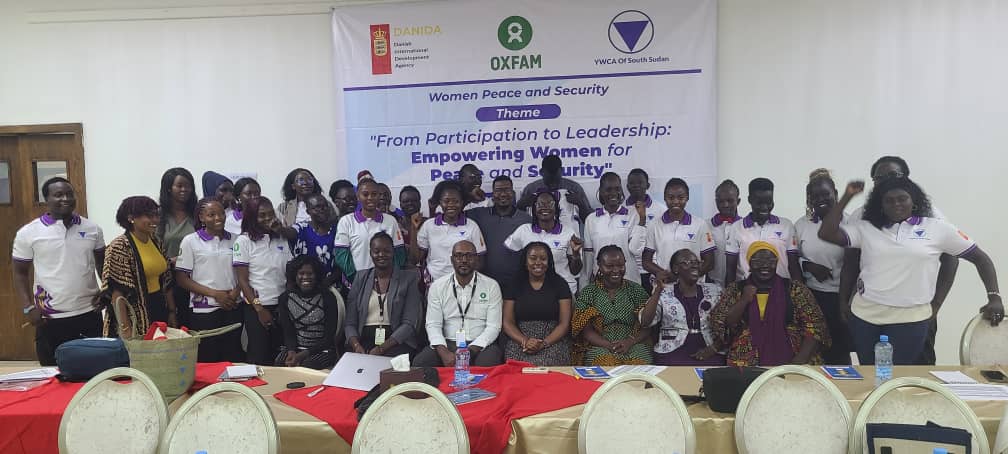
The call came on Monday in Juba, where more than 30 women began a two-day training on Women, Peace and Security.
Held under the theme “From Participation to Leadership: Empowering Women for Peace and Security,” the training focuses on leadership, civic rights, electoral participation, peacebuilding and women’s role in public decision-making.
YWCA South Sudan Executive Director Namisio Joy Bage urged women to seek leadership opportunities at all levels, saying participation in local leadership can help women build experience and gain greater influence over decisions affecting their communities.
She also called on women-led organisations to strengthen cooperation and build networks capable of amplifying women’s voices in decision-making spaces.
Bage encouraged women to consider contesting elective positions in the planned December 22, 2026 elections, arguing that women’s participation should extend beyond casting ballots.
“If we remain only voters, then our voices will still be limited,” she said, urging women to explore opportunities to participate as candidates and leaders.
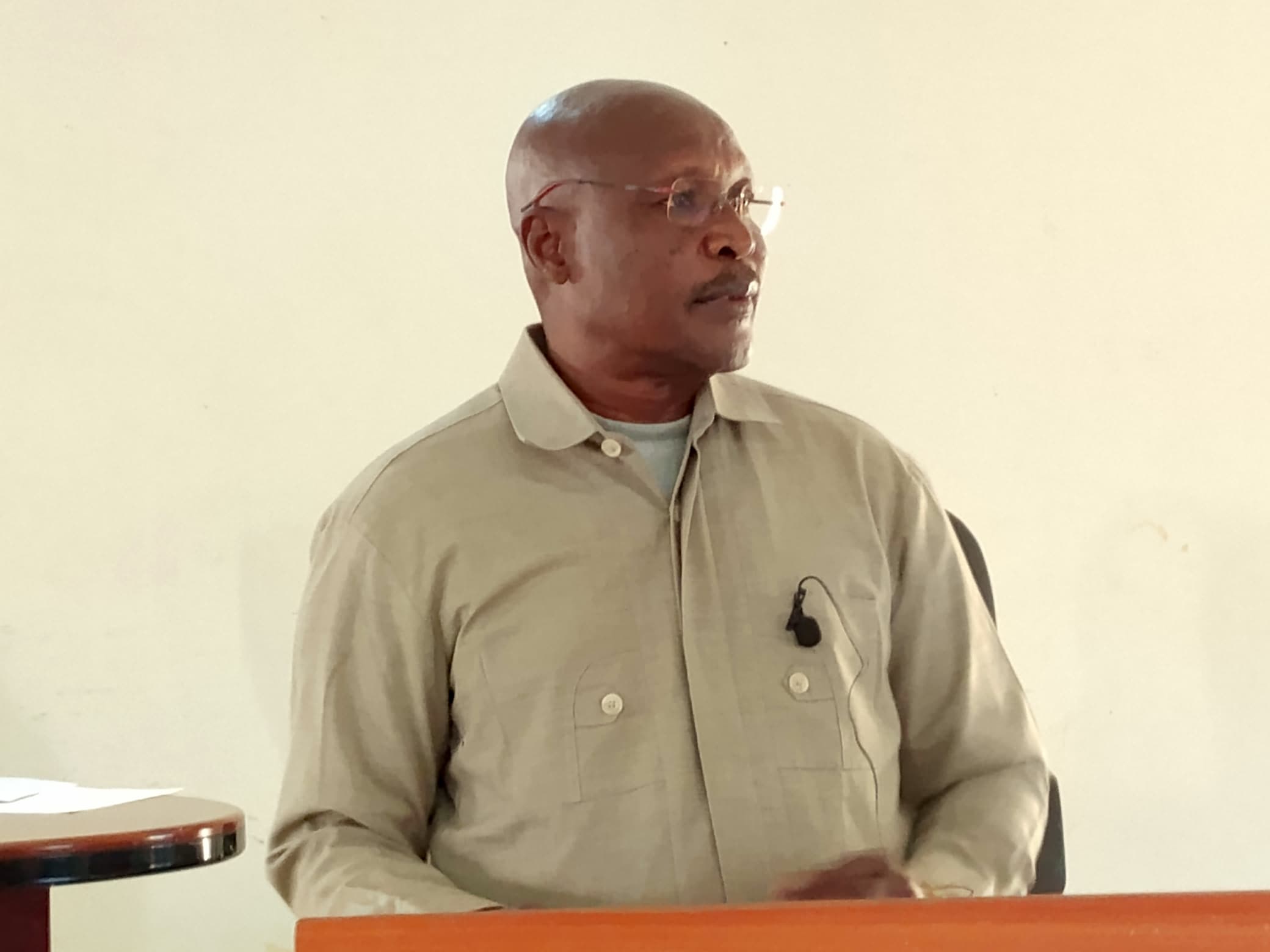
Asamtnew Kassa, Acting Country Director of Oxfam South Sudan, said the Women, Peace and Security agenda remains important as the country prepares for the electoral process.
He referred to UN Security Council Resolution 1325, which calls for greater participation of women in decision-making and peacebuilding.
Kassa encouraged young women to identify spaces where they can contribute, including as voters, candidates, election observers, mobilisers, peace advocates and community educators.
He said women’s participation should reach communities across South Sudan’s 10 states and three administrative areas, rather than being concentrated in Juba.
The two-day programme also covers intergenerational mentoring, women’s safety, advocacy, coalition-building and collective action.
Organisers say the training is intended to equip participants with practical knowledge and tools to engage in peace and security initiatives, civic activities and electoral processes.
For participants, the discussion comes as South Sudan prepares for its planned elections after years of political transition and uncertainty over the electoral process.
Women remain a significant part of the electorate and communities affected by political and security decisions, but advocates say participation should also translate into representation in leadership and decision-making spaces.
The challenge now is turning training and calls for inclusion into concrete opportunities for women to contest positions, participate in electoral processes and influence public policy.
With the December elections approaching, the message from the Juba training is clear: women are seeking a role that goes beyond marking a ballot they want a voice in deciding who leads and how decisions are made.
The training was organised by the Young Women’s Christian Association (YWCA) of South Sudan in partnership with Oxfam South Sudan and funded by the Danish International Development Agency (DANIDA).