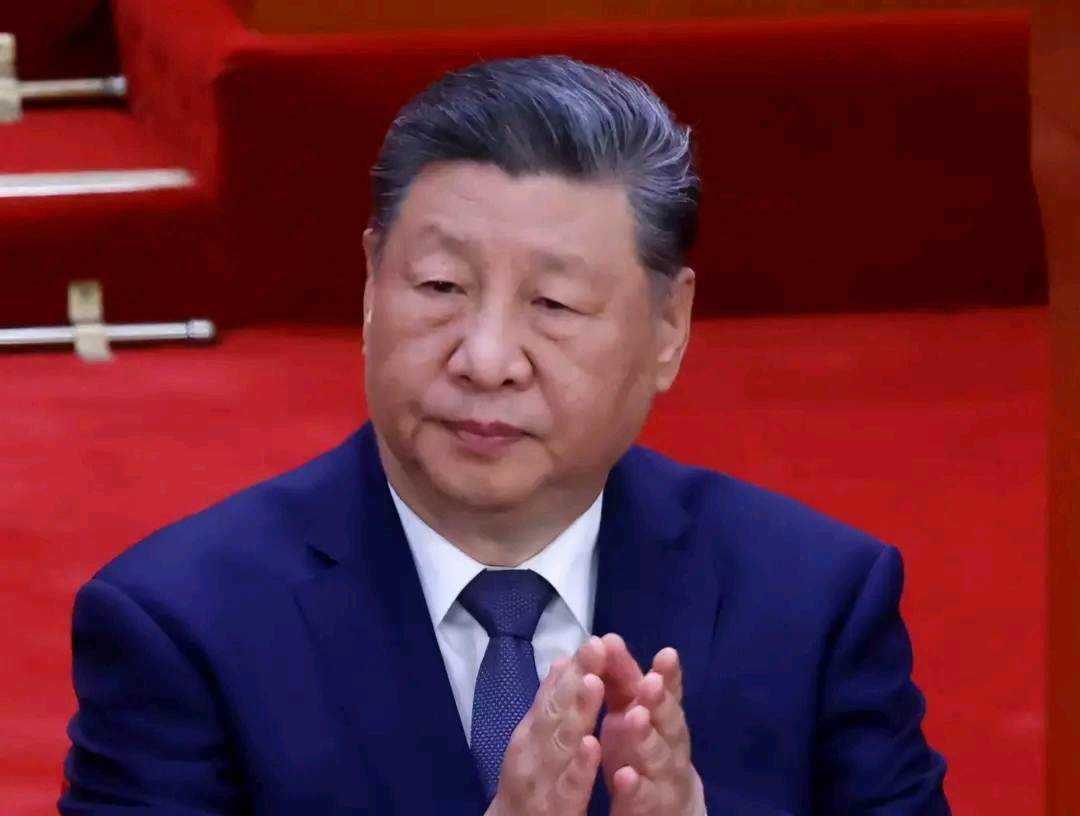
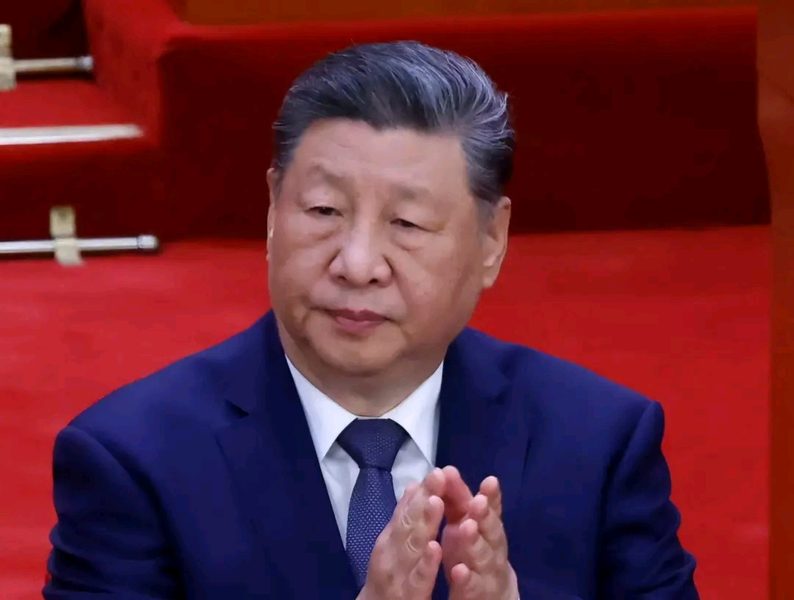
Chinese President Xi Jinping has renewed his call for Taiwan’s reunification with mainland China, declaring that the process is inevitable while pledging to pursue it through peaceful means.
Speaking on Thursday at the Great Hall of the People in Beijing, Xi described reunification as an “unwavering historical mission” of the Chinese Communist Party, insisting that historical developments could not be reversed.
“The tide of history cannot be stopped. The complete reunification of the motherland must be realized, and it will certainly be realized,” Xi said.
He reaffirmed Beijing’s commitment to its longstanding “peaceful reunification” policy under the proposed “one country, two systems” framework, while expressing willingness to engage in dialogue with Taiwan based on the “one-China principle.”
However, Taiwan’s government dismissed Xi’s latest remarks, describing them as largely consistent with Beijing’s previous statements on the island’s political future.
Liang Wen-chieh, spokesperson for Taiwan’s Mainland Affairs Council, said the latest language on reunification was not significantly different from earlier Chinese positions.
China considers Taiwan part of its territory, despite the island’s self-governing status and strong rejection of Beijing’s sovereignty claims. Taipei has also rejected the proposed “one country, two systems” arrangement.
Although Xi did not explicitly mention the use of force in his speech, Beijing has never renounced the military option in pursuing reunification. Chinese military aircraft and naval vessels continue to operate around Taiwan, raising concerns over regional security.
Taiwan’s Defence Ministry said it had detected 29 Chinese military aircraft, including J-16 fighter jets and drones, operating around the island alongside Chinese warships from Thursday as part of what it described as a joint combat readiness patrol.
Xi’s remarks come ahead of the Asia-Pacific Economic Cooperation (APEC) summit scheduled to take place in Shenzhen, where he is expected to meet US President Donald Trump next week.
The developments also come ahead of important local elections in Taiwan, scheduled for later this month, amid continued tensions over the island’s political future and relations between Beijing and Taipei.