National and local non-governmental organizations (NGOs) in South Sudan are calling on international donors and humanitarian partners to provide direct funding and greater decision-making powers, saying local actors should no longer be treated merely as subcontractors in aid delivery.
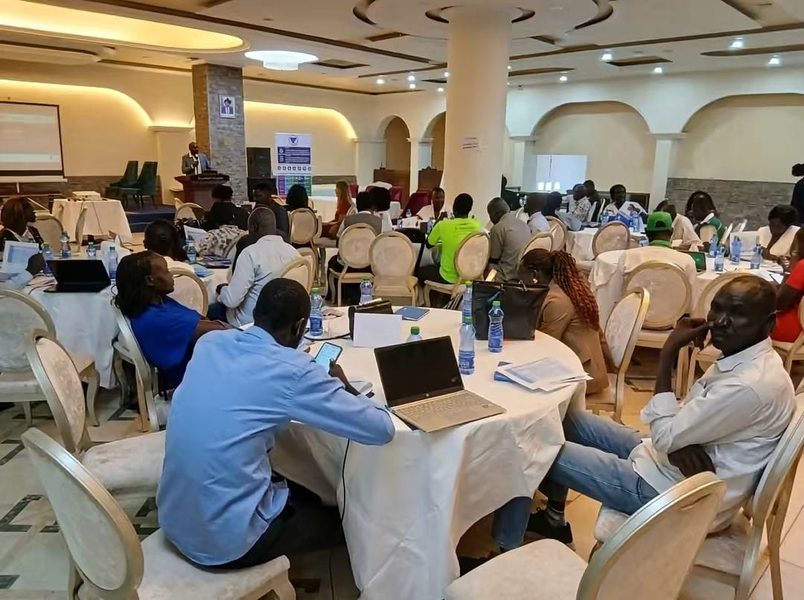
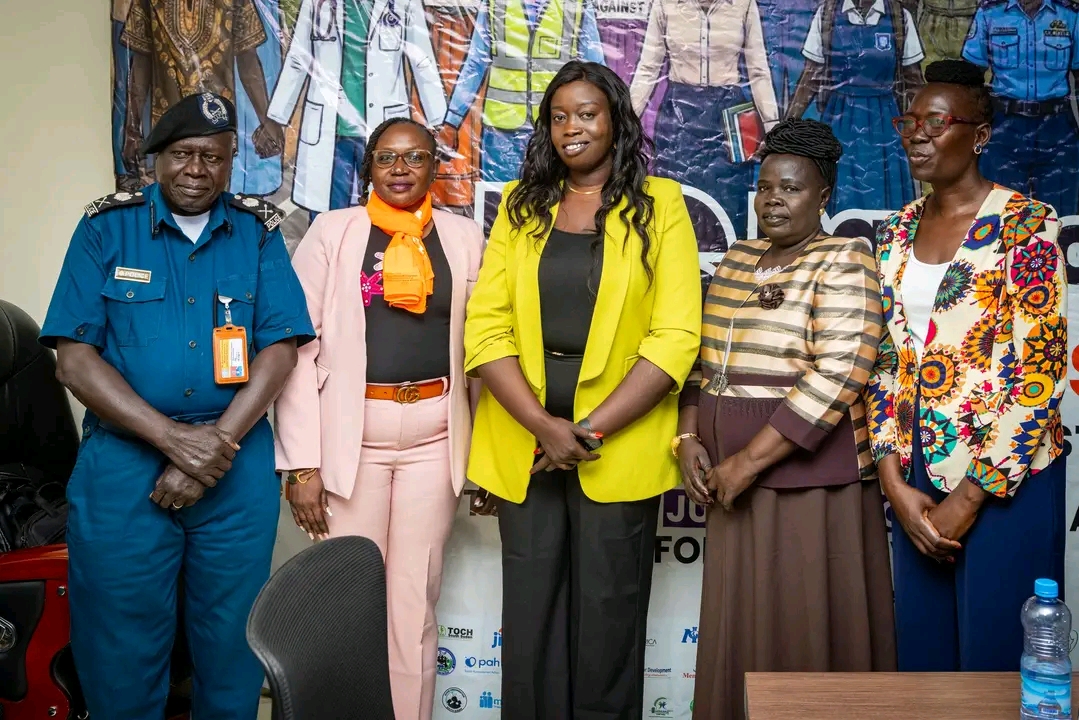
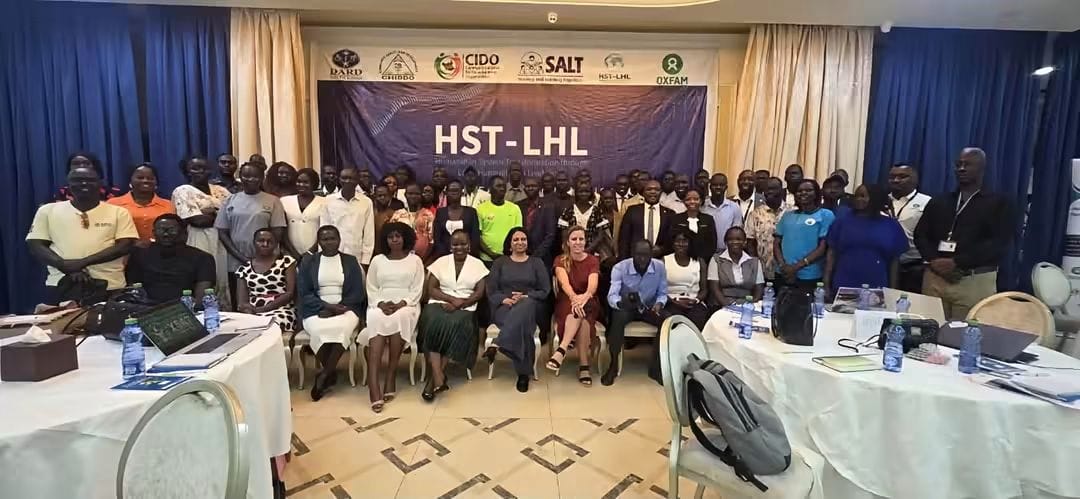
The call was made during the conclusion of the second Annual National Localization Symposium in Juba, which brought together national and women-led NGOs, UN agencies, international humanitarian organizations, donors and government representatives for two days of discussions on strengthening local leadership in humanitarian response.
The symposium was organized by the Young Women’s Christian Association (YWCA) South Sudan in partnership with Oxfam, with funding from the Dutch Ministry of Foreign Affairs.
Held under the theme of “Local Leadership, Equitable Partnerships, Risk Sharing and Funding Confidence,” the gathering focused on challenges preventing national organizations from accessing sustainable funding and participating meaningfully in humanitarian decision-making.
Participants identified complex donor compliance requirements, limited influence over funding priorities and the transfer of security and financial risks to frontline national organizations as major barriers to effective localization.
Speaking on behalf of national NGOs, Brenda Alinda of Girls and Boys In Action Organization (GABAO) urged local organizations to strengthen their internal systems, apply lessons from the symposium and prioritize collaboration over competition.
“Networking and collaboration is very important. And the worst disease is competition. Let’s avoid that, colleagues,” Alinda said.
She also pledged to bring at least three additional organizations into a joint funding consortium before the next annual symposium, emphasizing the importance of collective efforts in accessing resourc