Caution: Dear readers, this article is not intended to dehumanize any ethnic or political group in South Sudan. Rather, it seeks to draw attention to the social and political dangers ethnocentrism poses to social cohesion, national identity, peace and national stability.
Ethnocentrism is characterized by a strong sense of ethnic self-centeredness, including ethnic preference, cultural superiority, prejudice and stereotypes. It occurs when people judge the languages, cultures, food, dress, norms and social practices of other groups through the standards of their own, often considering others inferior.
Politically, ethnocentrism divides society into “in-groups” and “out-groups.” The in-group is associated with those holding power, while the out-group consists of those perceived to oppose or differ from the group in power.
This creates an ethnic “we against them” mentality, where members of the in-group may identify themselves with government even when they hold no official position.
As these divisions deepen, they can produce mistrust, hatred, prejudice and hostility, eventually contributing to violence and threatening peace, security and national stability.
A central feature of political ethnocentrism is state capture and elite patronage. Elites may manipulate institutions, influence laws, divert national resources, distribute senior positions and direct state programs to favor their ethnic constituencies.
Oversight is weakened, while ethnic identity becomes a tool for determining access to political, social and economic opportunities. The result is structural marginalization, discrimination and suppression.
History provides many examples. Colonialism promoted European civilization, culture, religion and governance as superior to African, Asian and American traditions.
South Africa’s apartheid system legally concentrated political and economic power in the white minority until its collapse in 1994.
Rwanda’s 1994 genocide demonstrated the devastating consequences of long-term ethnic exclusion and political manipulation, resulting in the deaths of nearly one million people.
Other examples include the Darfur conflict, the Tigray conflict in Ethiopia and Kenya’s post-election violence of 2007–2008.
In Europe, Nazi Germany promoted Aryan racial superiority and blamed Jews for Germany’s social and economic problems, contributing to the Holocaust in which six million Jews were murdered. In the United States, the aftermath of Pearl Harbor led to the forced removal and imprisonment of about 120,000 people of Japanese ancestry.
After the 2001 attacks, Arab and Muslim communities also faced increased surveillance, discrimination, hate crimes and social alienation.
The root causes of ethnocentrism often include competition over resources, unresolved historical grievances, struggles for political power and colonial legacies.
Whatever the context, the consequences are often discrimination, deprivation, stereotyping, hatred, violence and destruction.
Ethnocentrism in South Sudan
Some manifestations of ethnocentrism in South Sudan include:
Ethnic profiling: South Sudanese are increasingly categorized according to groups such as Equatorians, Dinka, Nuer and Lou.
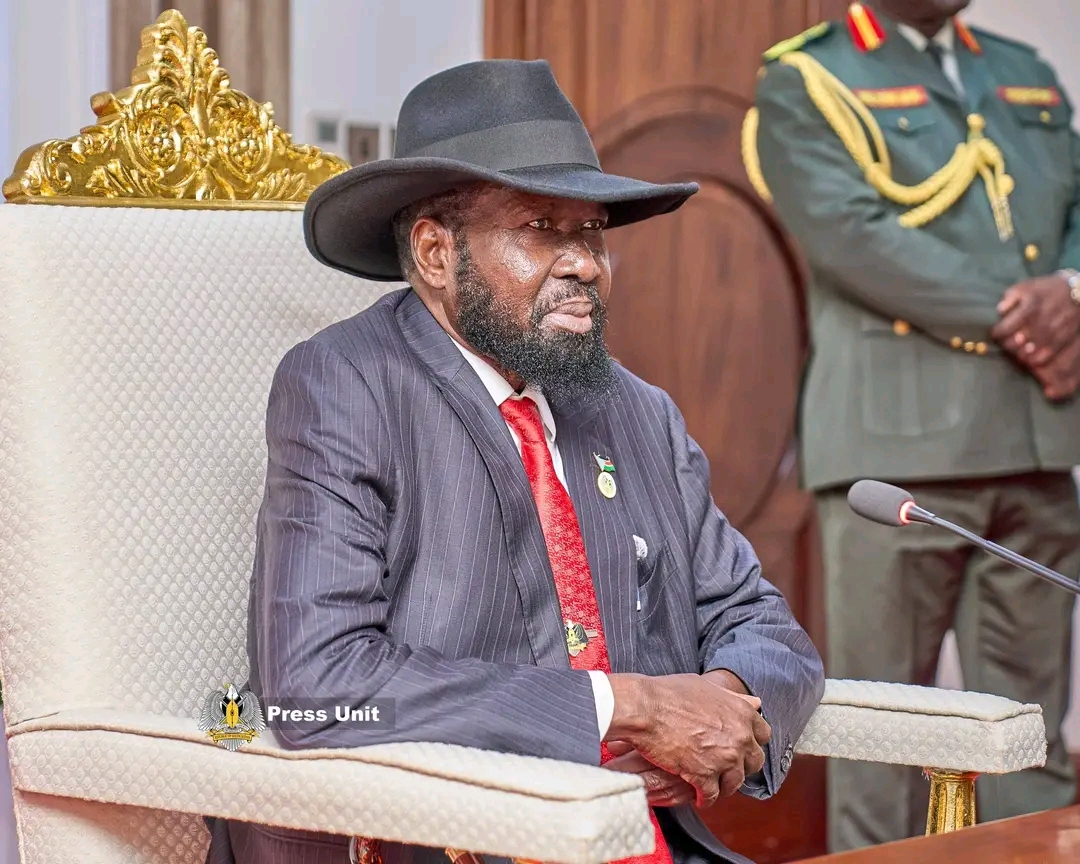
Ethno-political lobbying: Political appointments are often perceived as being influenced by ethnic interests rather than national merit. The President addressed this concern when he said during the opening of SPLM members’ registration that appointments should no longer be made “through the back doors, but through party structures.”
Strengthened ethnic solidarity: Communities have increasingly organized around tribal identity, language, origin and culture. Cultural festivals can celebrate heritage, but they may also become demonstrations of political strength, organization and numbers.
Ethnic violence: The December 2013 violence in Juba quickly took on an ethnic dimension, with Nuer civilians targeted, while Dinka communities were also targeted in opposition-controlled areas.
Ethnicized conflict: Tribal militias and groups mobilized from cattle camps have participated in conflicts along ethnic lines.
Ethnicity in law enforcement: There are concerns that color, physical appearance and ethnicity can influence encounters with law enforcement, including traffic police, particularly in Juba.
Ethnic labeling: Members of the Dinka community have at times been branded with derogatory labels, including “MTN,” particularly during periods of conflict.
Tribal rebellions: Some armed rebellions have been organized largely around ethnic or regional identities.
Land disputes: Political disagreements over land policy demonstrate how questions of community ownership and national ownership can become politically and regionally charged.
Unequal access to leadership: Some communities among South Sudan’s many ethnic groups say they have struggled for years to gain access to the country’s highest leadership.
Unresolved local conflicts: The continued conflict in Tambura County illustrates how political and community interests can complicate efforts to achieve lasting peace, leaving local populations to bear the greatest burden.
These realities raise a fundamental question: If we increasingly identify ourselves primarily as tribes, where are the South Sudanese?
Who are the South Sudanese in South Sudan? Why do we carry national identity documents while often placing ethnic identity above national identity? And is there a deliberate or unintended political system that divides society, weakens national unity and allows impunity to flourish?
The Way Forward
South Sudan must take deliberate steps to strengthen national unity and a shared South Sudanese identity. This requires leadership from the executive and legislature, as well as participation from communities and civil society.
1. Discourage ethnic political lobbying: Political lobbying should focus on national interests, policies and solutions rather than mobilizing support solely through ethnic identity.
2. Promote civic education: Citizens should understand that government belongs to no tribe. It is an institution established by law, and public officials are temporary servants of the state.
3. Promote merit-based appointments: Senior civil servants and political appointees should be selected on competence, integrity and merit, with appropriate parliamentary oversight.
4. Strengthen inter-communal dialogue: Communities should engage in dialogue that promotes mutual respect, cultural exchange and appreciation of diversity rather than competition over cultural superiority.
5. Ensure equitable development: Infrastructure, social services and development resources should be distributed fairly across all ten states and the three administrative areas.
Conclusion
Ethnocentrism in social, economic and political structures is a dangerous vice. It may provide short-term advantages to an in-group, but its long-term consequences are destructive. Marginalized communities may eventually seek inclusion through confrontation or revenge, creating a cycle in which both in-groups and out-groups become victims.
South Sudan’s independence was founded on the promise of freedom, dignity and self-determination. That promise cannot be fulfilled if citizens see themselves primarily as competing ethnic groups rather than members of one nation.
The future of South Sudan therefore depends on building a national identity that respects ethnic diversity while placing citizenship, equality, justice and national unity above tribal divisions.
The Author is a Patriotic South Sudanese
Political Commentator/Analyst
Civil Society Activist
Email: gizam17@gmail.com