Officials from Uganda and South Sudan have begun fresh bilateral talks aimed at easing tensions along their shared border, with leaders from both countries meeting in Uganda’s West Nile Region to discuss security, border management and economic cooperation.
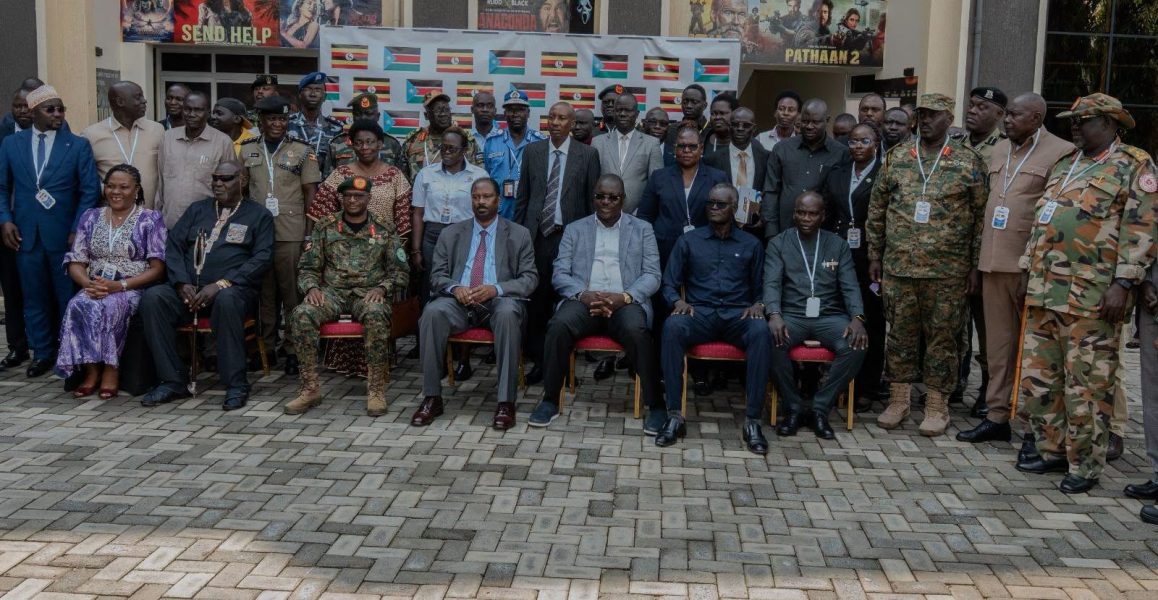
The fifth Uganda–South Sudan Joint Bilateral Meeting opened on Thursday in Arua, bringing together senior government officials, security agencies and local authorities from both sides of the border.
The talks follow renewed concerns over tensions around Kajo-Keji County and seek to advance commitments made under the Yumbe Communiqué signed in October 2023.
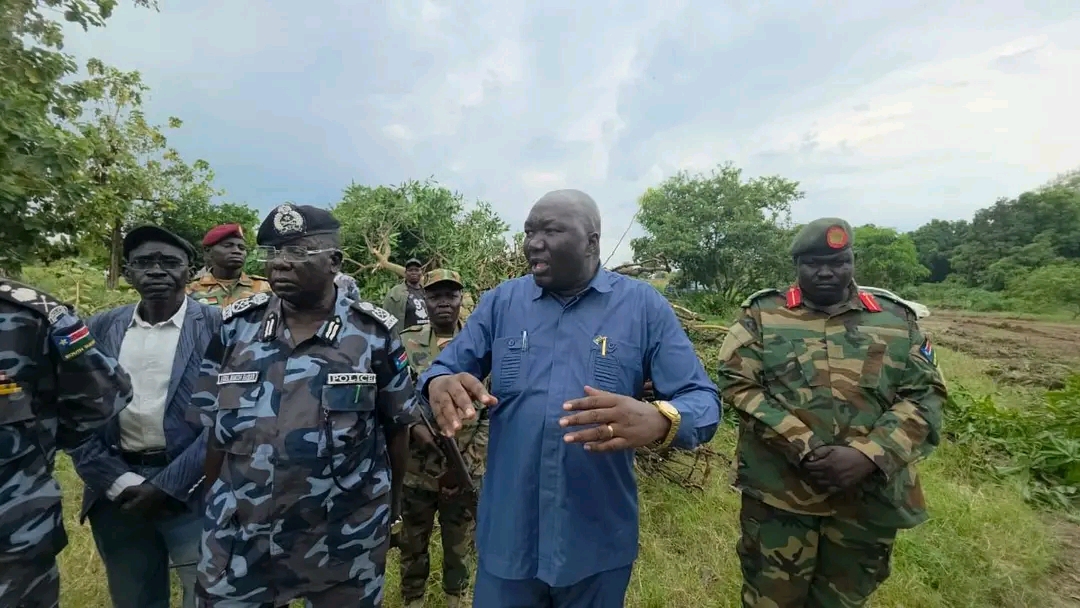
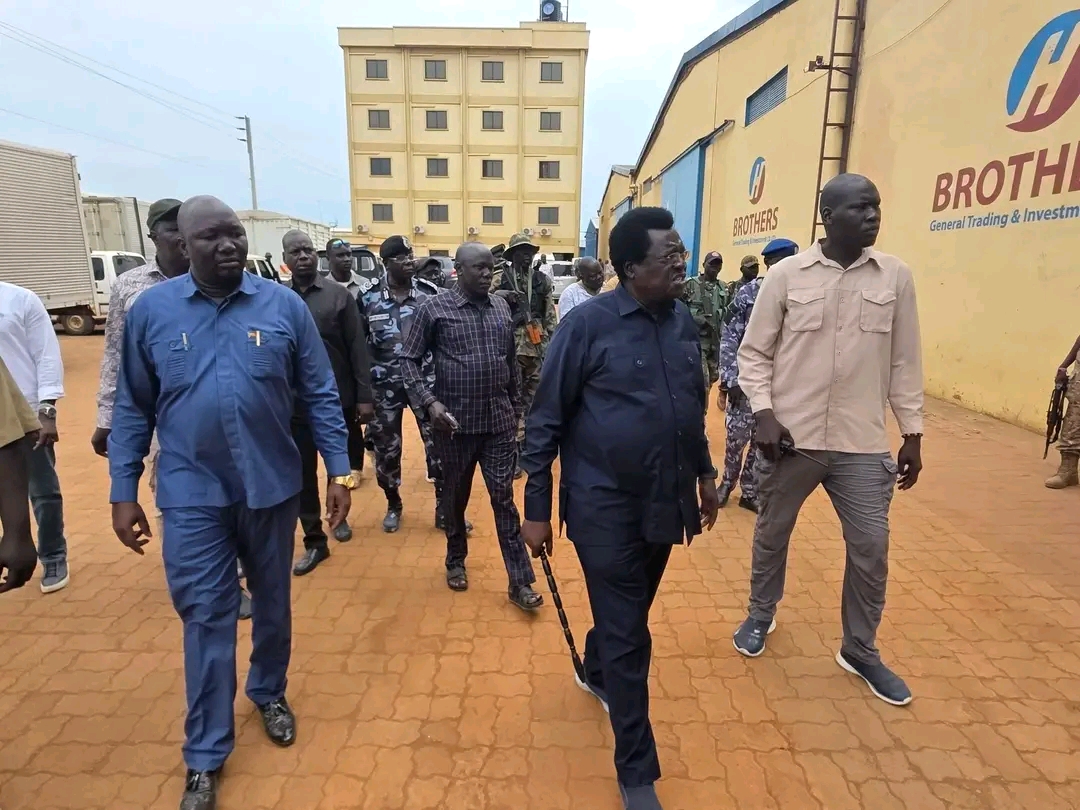
Central Equatoria State Governor Emmanuel Adil Anthony is leading South Sudan’s delegation to the meeting, according to information shared on his official Facebook page.
Opening the meeting, Governor Adil described the discussions as an important opportunity to review previous resolutions and address challenges that have hindered their implementation.
He said the two neighbouring countries should work together to prevent local border disputes from escalating into wider diplomatic or security confrontations.
“The current border disputes should not be elevated from local community issues to a national standoff,” Adil said.
He argued that national security agencies and defence forces should primarily support border security, facilitate trade and promote peaceful coexistence, while local disputes should be handled through community leaders and relevant government institutions.
Governor Adil also highlighted the long-standing relationship between Uganda and South Sudan, describing it as one built on decades of shared history and cooperation.
He thanked Uganda for hosting hundreds of thousands of South Sudanese refugees during periods of conflict, describing the country’s support as a humanitarian commitment that South Sudan continues to value.
The governor urged traditional leaders, local government officials and security personnel along the common border to avoid actions that could undermine bilateral relations.
He said both sides should implement the guidance of Presidents Salva Kiir Mayardit and Yoweri Kaguta Museveni by pursuing peaceful dialogue and cooperation in resolving border-related challenges.
Adil further called for the shared border to become a centre for economic growth rather than conflict, saying stronger cross-border trade, investment and tourism could improve livelihoods for communities on both sides.
Representing Uganda, Ambassador Brig. Gen. Ronnie Balyah urged leaders from both countries to prioritise peace, civilian protection and stability by acting quickly to de-escalate tensions whenever incidents occur.
He said those responsible for acts of violence should be held accountable while mechanisms should be strengthened to prevent future clashes.
Brig. Gen. Balyah also cautioned against misinformation and inflammatory rhetoric, warning that unverified information shared within communities can fuel mistrust, xenophobia and violence.
He called on political, community and traditional leaders to promote responsible communication and discourage narratives that could damage relations between the two countries.
Arua Resident District Commissioner Gore Goffin assured delegates that the district was safe to host the meeting and encouraged participants to engage openly in finding lasting solutions to border issues.
The bilateral meeting builds on earlier sessions held in Koboko, Yumbe and Moyo between 2017 and 2019, as well as previous engagements in Yei.
The discussions brought together commissioners from Yei River, Kajo-Keji, Morobo and Lainya counties, resident district commissioners from Uganda, security officials, revenue authorities, diplomats from South Sudan’s Ministry of Foreign Affairs and International Cooperation, and representatives from South Sudan’s Embassy in Kampala.
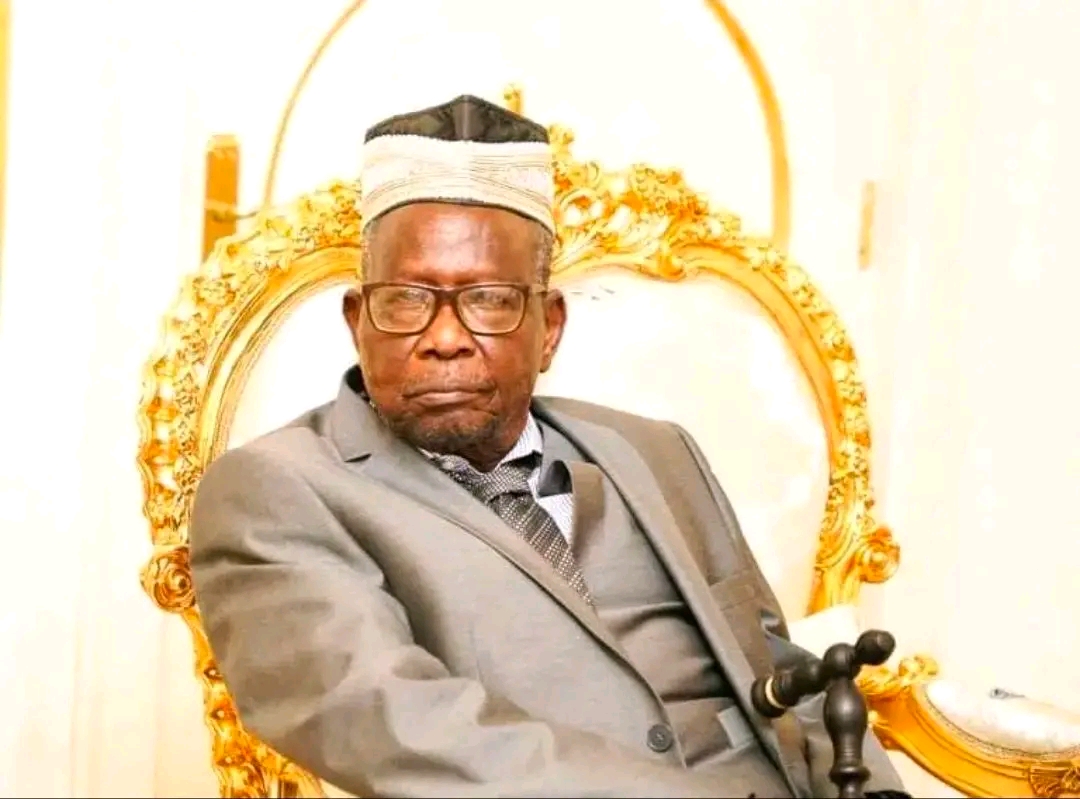
Governor Adil also conveyed condolences to the people of Uganda following the death of retired General Moses Ali.
The outcome of the meeting is expected to guide future cooperation on border security, conflict prevention, trade facilitation and the peaceful movement of people between the two neighbouring countries.