South Sudan has called for increased government investment in the health sector to reduce the country’s dependence on external funding and strengthen the delivery of essential health services.
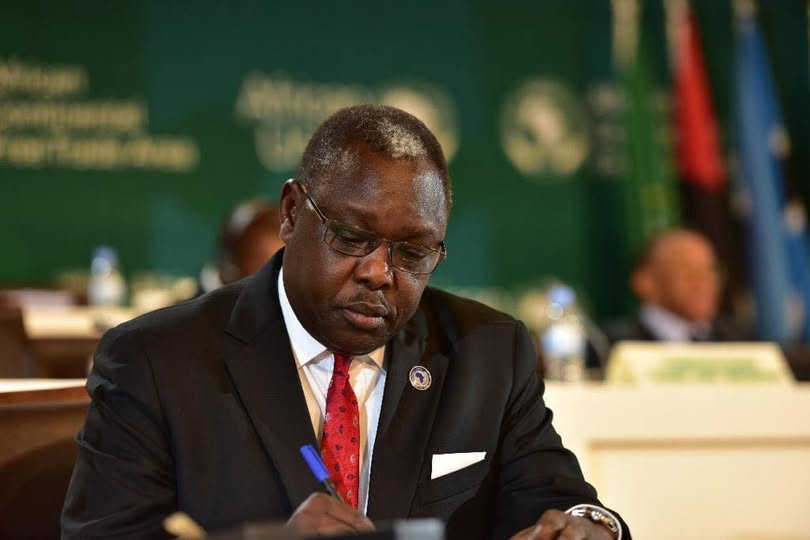
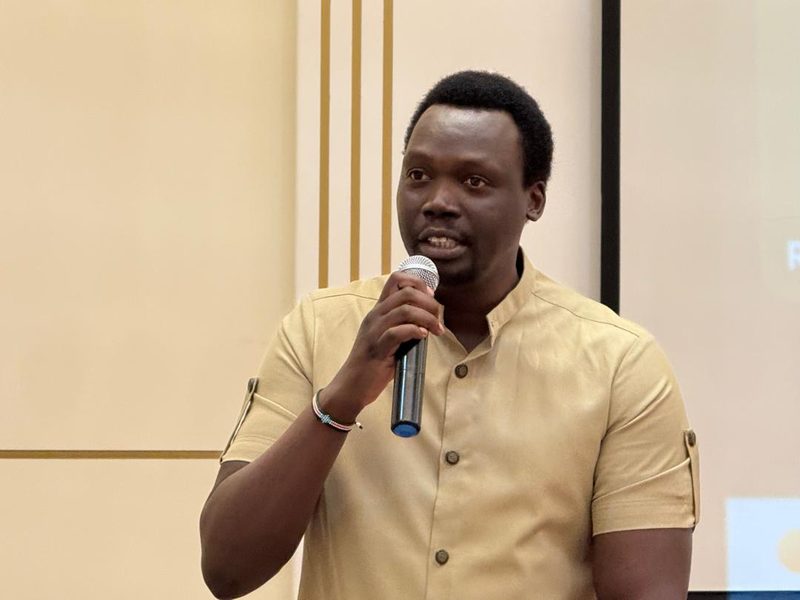
The call was made by Minister of Health Luke Thompson Thoan and Dr. Justin Kowac, Chairperson of the South Sudan AIDS Commission, during a health-sector workshop in Juba, where government officials, development partners and health organisations discussed financing and the future of health programmes in the country.
Thoan said greater domestic financing was essential to ensuring that South Sudan can gradually take greater responsibility for funding and delivering healthcare services.
Kowac urged development partners to ensure that a larger share of available health funding reaches frontline services, including medical supplies and other essential commodities, rather than being absorbed by administrative and project-management costs.
He also called for greater involvement of national organisations in the implementation of donor-funded programmes, arguing that strengthening local capacity is critical to building a sustainable health system.
According to Kowac, international organisations still have an important role to play, but their involvement should increasingly focus on building the capacity of South Sudanese institutions to take over responsibilities as the country develops.
He urged the health sector to advocate for increased government spending, including by engaging members of the national parliament and the parliamentary health committee.
“If you increase the health budget, you will incentivise more investment and ultimately get more services,” Kowac said, stressing that stronger domestic financing would help the country reduce its reliance on external support.
The AIDS Commission chairperson also challenged South Sudan to move beyond being a recipient of international health assistance.
He said the country’s ambition should be to reach a point where it can contribute to health financing in other countries, rather than remaining dependent on donor support.
“Let success not be the fact that we’ve managed to get this grant cycle eight,” Kowac said. “Let our ambition be that by grant cycle nine, we are not going to be just a recipient, but we are going to be donors as well.”
He acknowledged that such a transition would not happen immediately but said it should begin with stronger dialogue, investment and recognition of the country’s own capacity.
The remarks come as South Sudan continues to rely heavily on international partners to finance and deliver critical health programmes, highlighting the need for sustainable domestic investment to strengthen the country’s health system.