The African Union has welcomed a United Nations General Assembly resolution encouraging countries and institutions to adopt the Equal Earth projection as a more accurate way of depicting the size of continents on world maps.
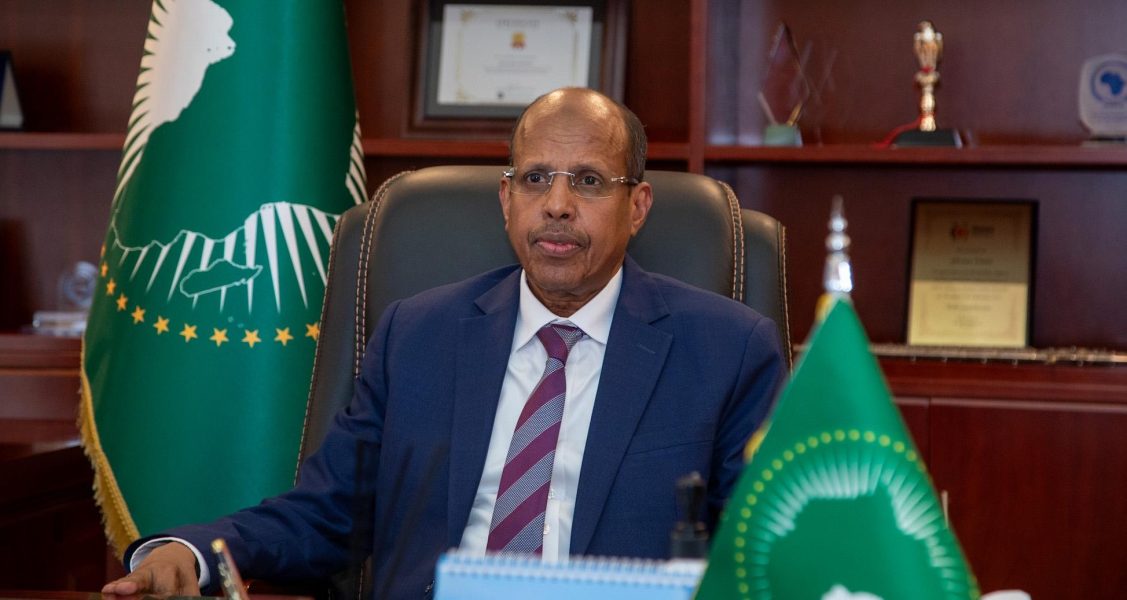
AU Commission Chairperson Mahmoud Ali Youssouf praised the resolution as an important step towards correcting long-standing distortions in the way the world’s landmasses are represented.
The resolution, known as the “Correct the Map” initiative, was adopted by the UN General Assembly with 164 votes in favour, one against and six abstentions. It is non-binding, meaning it encourages rather than requires countries and institutions to change the maps they use.
The campaign was championed by Togo on behalf of Africa, with the AU saying the initiative demonstrated the continent’s ability to build a united position on issues affecting its global representation.
The Mercator projection, developed in the 16th Century, remains widely used, particularly for navigation and online mapping. However, its design causes areas closer to the poles to appear much larger than they are, while regions around the equator are comparatively reduced in size.
Africa is particularly affected by this distortion, appearing smaller on many conventional world maps than its actual land area would suggest.
The Equal Earth projection was designed to preserve the relative size of land areas more accurately, while still providing a practical representation of the world’s continents.
Mr Youssouf said the issue went beyond the technical design of maps, arguing that how countries and continents are represented can influence perceptions of their importance and place in the world.
The AU is now calling on international organisations, schools, publishers and digital platforms to gradually incorporate more accurate representations of continental land areas.
The continental bloc said it would continue working with Togo, its member states and international partners to support implementation of the UN resolution.
The move comes amid wider efforts to challenge historical ways of representing Africa and to promote what the AU describes as a more scientifically accurate and balanced portrayal of the continent.