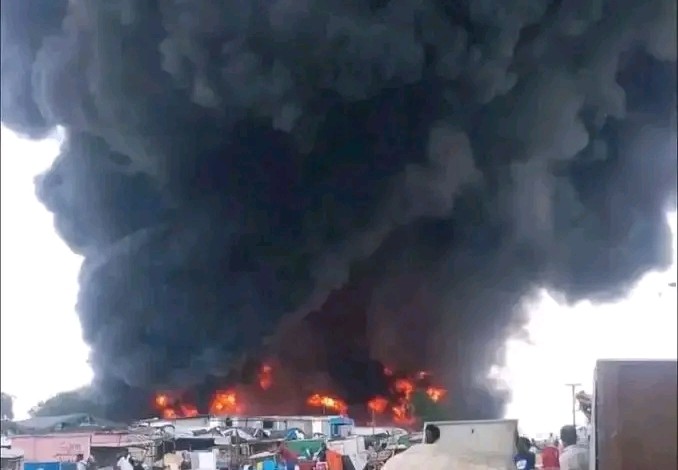
A South Sudanese civil society leader has warned that violence in Warrap State is taking a dangerous turn after an armed attack on an SSPDF military barracks left 26 people dead, according to the state government.
The attack happened at about 05:00 at the Acong-cong military barracks in Gogrial East County, a facility established to help maintain law and order between the Marial Wau and Apuk Giir communities.
The Warrap State government said 10 SSPDF soldiers, including a captain from Division 11, and six police officers were among those killed.
Four civilians, including an 11-year-old boy who was inside the barracks, also died, while six of the attackers were killed during the fighting, according to the government.
Eight people, including a woman, were wounded in the incident.
The government, led by Governor Bol Wek Agoth, strongly condemned the attack and expressed condolences to the families and colleagues of those killed.
It said the security personnel had died while protecting civilians and warned that their sacrifice should not be forgotten.
The incident has raised fresh concerns over the deteriorating security situation in Warrap, where deadly communal violence has continued to claim lives and tensions have increasingly involved state security forces.
Edmund Yakani, Executive Director of the Community Empowerment for Progress Organization (CEPO), condemned the attack and urged armed youth to abandon violence as a means of addressing grievances.
Mr Yakani said disputes between communities, or disagreements with state institutions such as the SSPDF, should instead be addressed through dialogue.
He warned that further armed confrontation could trigger a more aggressive response from security forces and result in additional deaths without resolving the underlying grievances.
“The barrel of the gun benefits nobody,” Mr Yakani said, appealing to armed youth in Warrap to pursue dialogue rather than confrontation.
He described the latest attack as part of a disturbing trend in which intercommunal violence was becoming increasingly linked to confrontations with state agencies.
Mr Yakani also appealed to President Salva Kiir to intervene, citing recent violence in Tonj North and tensions involving the Twic and Ngok communities.
He said any political figures found to be fuelling violence should be held accountable.
The civil society leader called on communities and authorities to stop the cycle of armed confrontation and return to dialogue, warning that continued violence would only deepen civilian suffering and instability across the state.