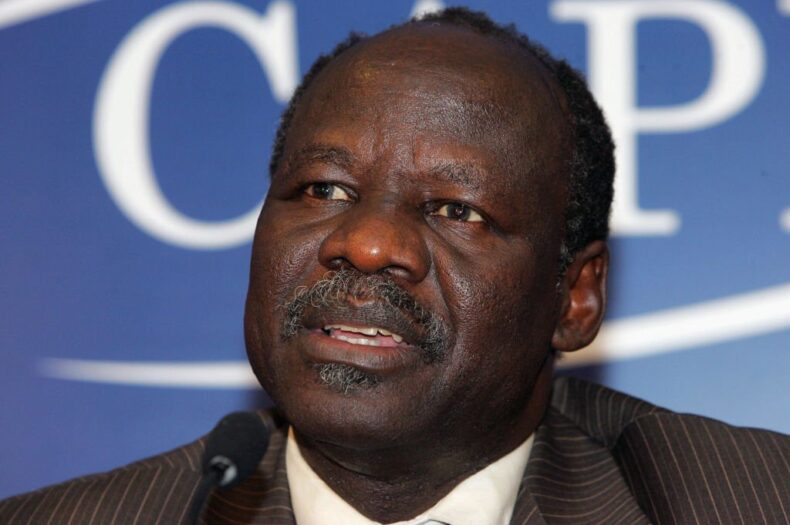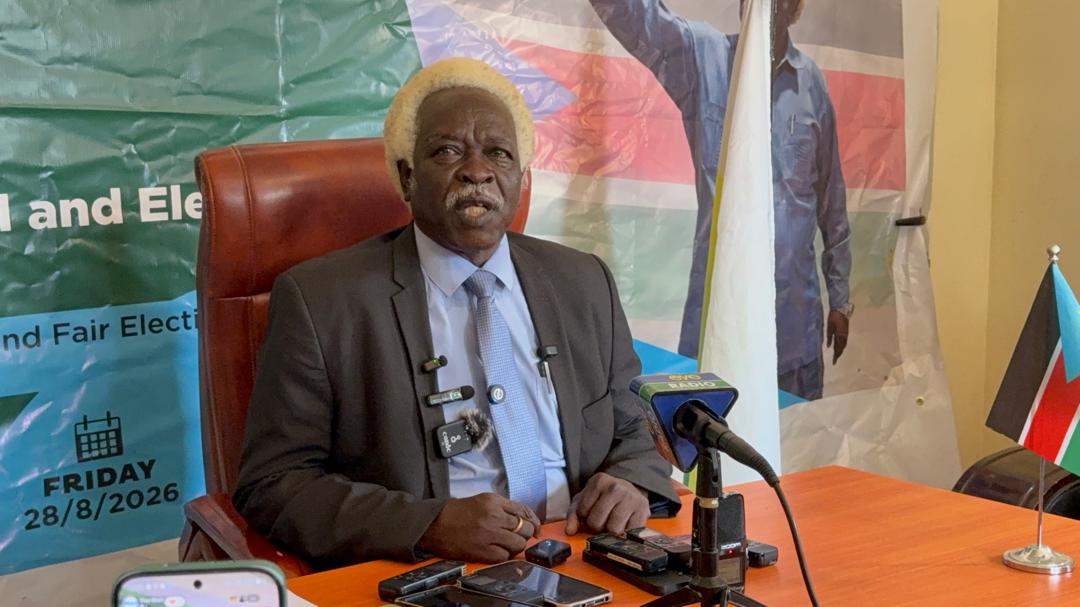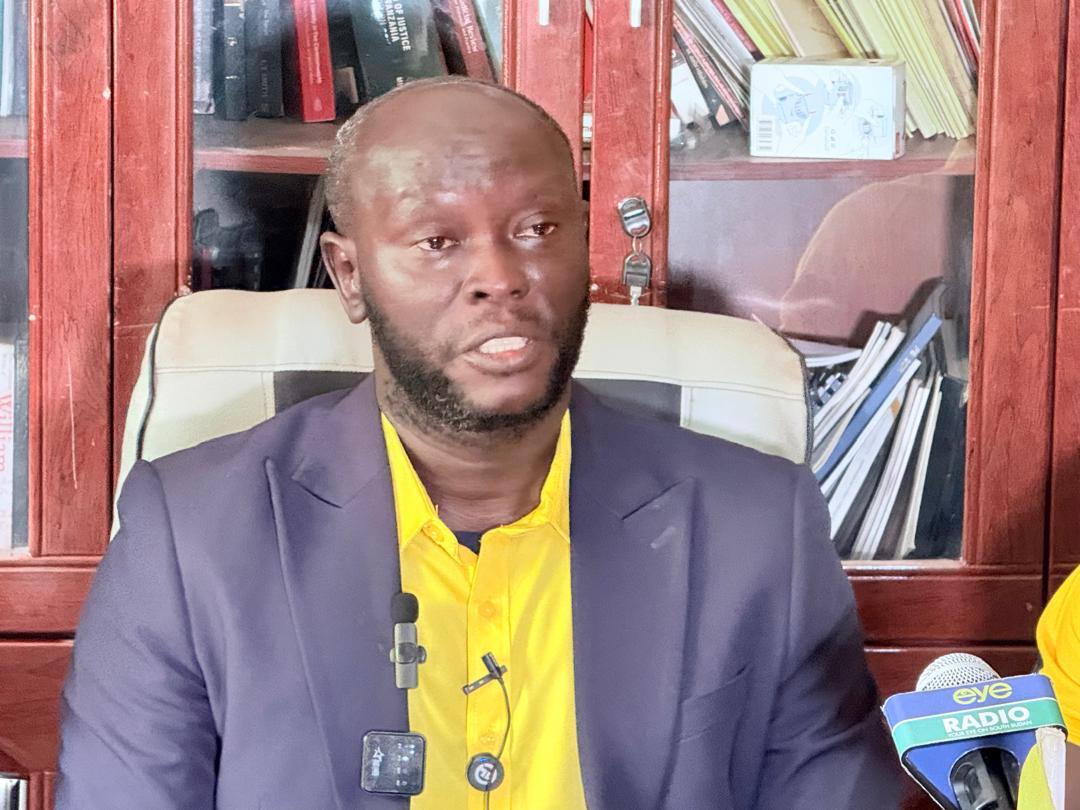
The removal of South Sudan’s five vice presidents is not merely a reshuffling of political figures. It is one of the clearest signs yet that the political architecture created by the 2018 peace agreement is coming to an end.
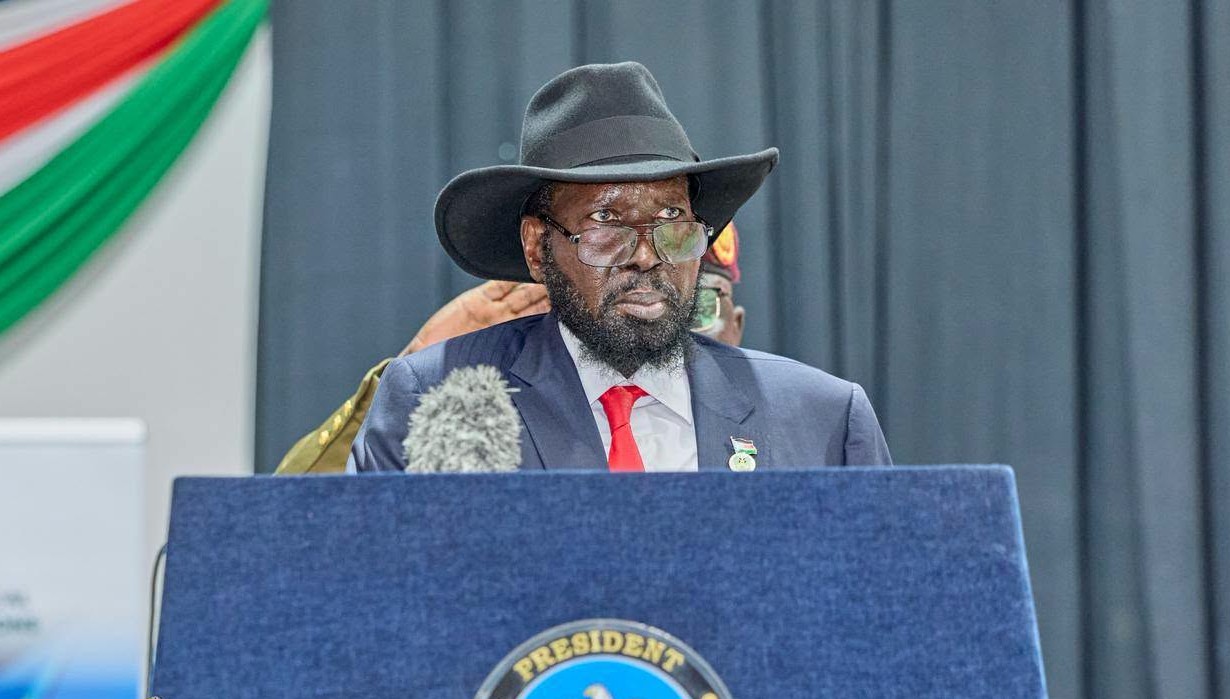
President Salva Kiir’s dissolution of the Transitional Government of National Unity and the removal of First Vice President Riek Machar and the four other vice presidents have fundamentally changed the structure of executive power.
A caretaker administration has now been appointed as the country prepares for elections scheduled for December 22.
But the important question is not simply where the five vice presidents will go next. The bigger question is what their departure means for the political system they represented.
The five vice-presidential positions were created because South Sudan’s political crisis could not be solved by simply declaring one side the winner.
The 2018 agreement placed Dr. Riek Machar as First Vice President and created four additional vice presidents representing different political constituencies.
Their responsibilities were also divided across governance, economics, service-delivery, infrastructure, and gender and youth clusters.
In other words, the Presidency was designed to be a mechanism for political accommodation.
That arrangement was far from perfect. It produced competing centers of political influence and often made government decision-making complicated.
Yet its central purpose was clear: to bring former rivals into one political structure and reduce the possibility that political competition would again become a military confrontation.
Now that structure has disappeared
The amended electoral framework allows President Kiir to remain in office throughout the electoral period until a newly elected president is sworn in.
At the same time, the five vice presidents have been removed, along with the national legislature and other transitional institutions.
This creates a very different political environment
Supporters of the transition can argue that the country cannot remain in transitional government indefinitely.
Elections have already been delayed twice, and the latest changes remove some of the legal obstacles that had stood in the way of the December vote.
That argument deserves consideration
But elections are not only about setting a date and opening polling stations. They are also about creating confidence among political competitors that they can participate, campaign and accept the outcome without returning to conflict.
That is where the removal of the five vice presidents becomes politically significant.
Their disappearance does not automatically mean that South Sudan is returning to war, nor does it automatically mean that the elections will lack credibility.
But it does remove an important layer of political representation from the transitional arrangement at precisely the moment when the country is preparing for its most consequential political contest since independence.
The question, therefore, is whether the caretaker government can maintain political inclusion while operating without the power-sharing Presidency created by the peace agreement.
There is also a deeper institutional question. If the transitional arrangement was built around collective decision-making and political accommodation, what safeguards will prevent the electoral transition from becoming overly concentrated around one office?
This is particularly important because analysts have raised concerns about the concentration of executive authority following the dissolution.
South Sudan has spent years negotiating political settlements because competition for power has repeatedly had consequences far beyond politics. The country therefore needs more than an election date. It needs political confidence.
The departure of the five vice presidents may finally close the chapter of the 2018 transitional government. But closing that chapter does not automatically resolve the political questions that produced it.
The real test now is whether South Sudan can move from power-sharing to electoral politics without losing the political inclusion that power-sharing was designed to provide.
The five vice presidents are gone. What remains is the much bigger test: whether the country can build a political system in which disagreement is settled at the ballot box rather than through another cycle of confrontation.