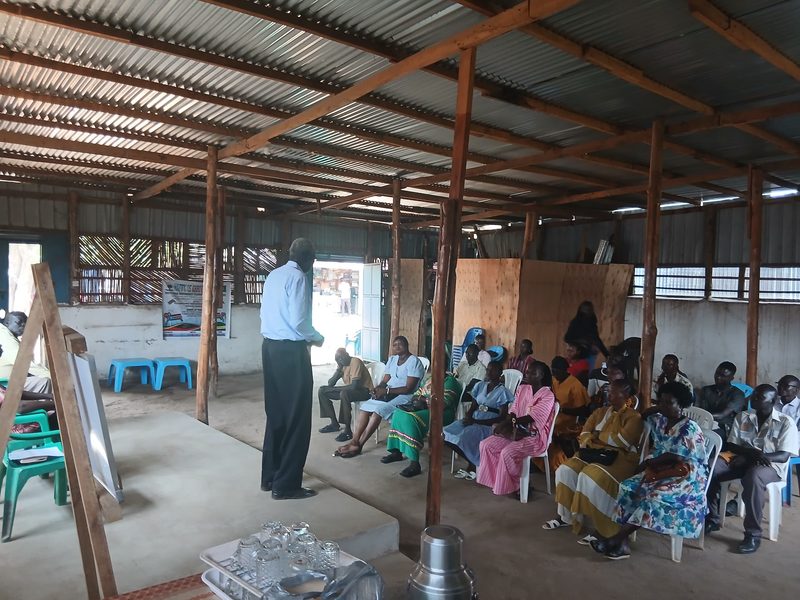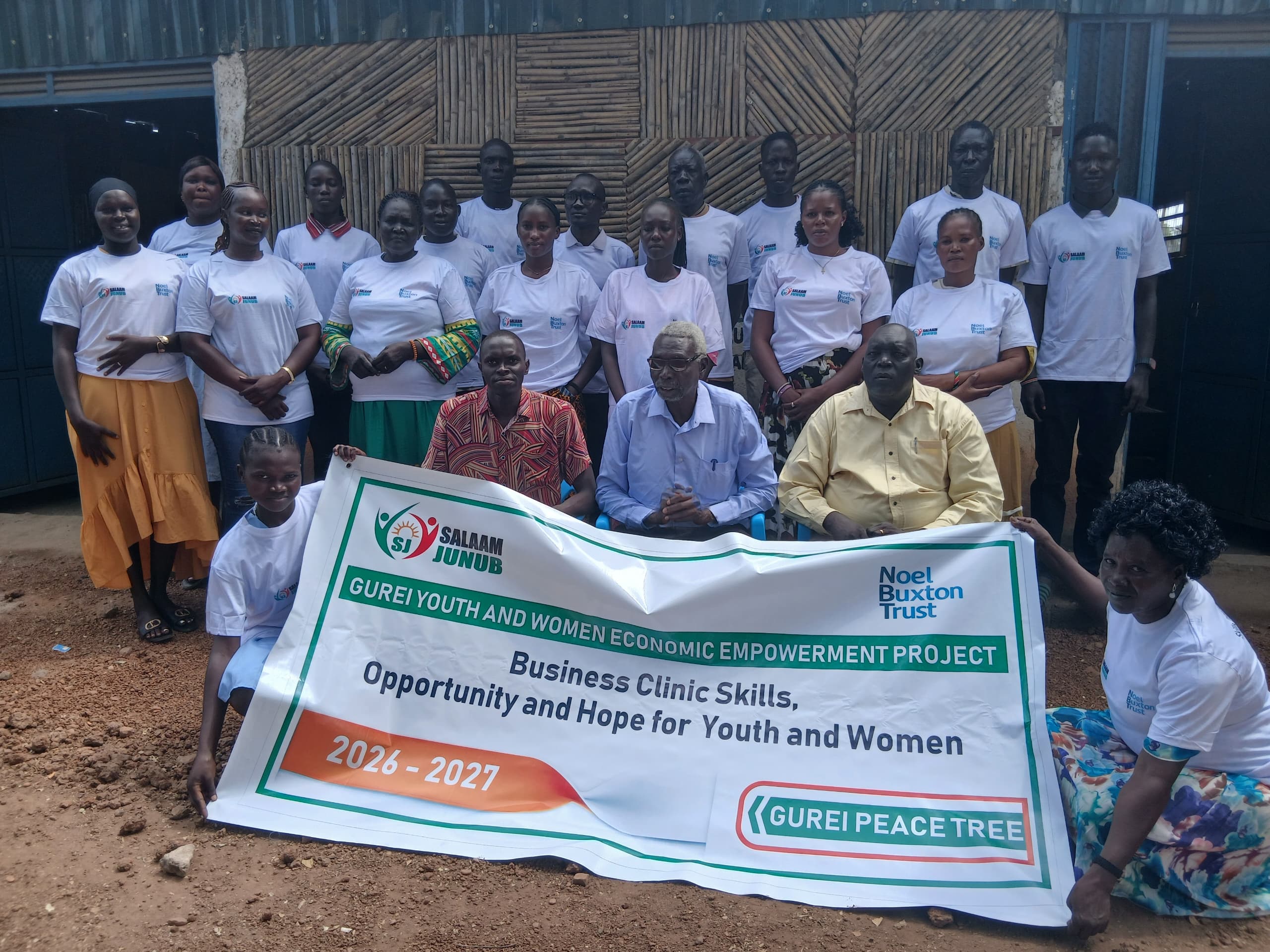
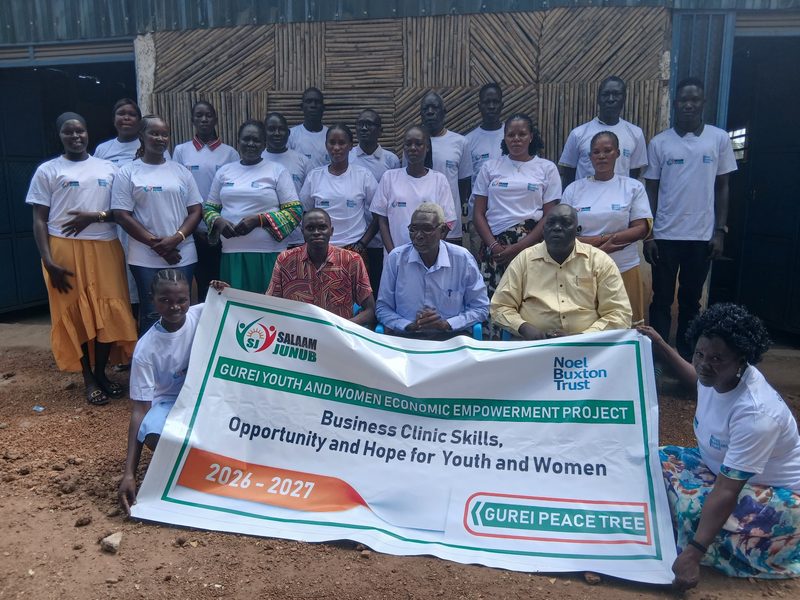
Twenty vulnerable people, including women, at-risk youth and former child soldiers, have begun a three-day business management training in Juba aimed at improving their entrepreneurial skills and strengthening their livelihoods.
The programme focuses on practical business management, financial accountability, record-keeping, savings and investment, with participants expected to apply the knowledge to improve their existing businesses.
Jackson Limo John, Executive Director of Salaam Junub, said the initiative aims to strengthen the capacity of vulnerable people who are already engaged in small businesses but lack sufficient knowledge and financial resources to expand.
He explained that the current training builds on previous business orientation programmes by introducing additional skills to help participants make responsible financial decisions and manage their enterprises effectively.
Beyond the training, Salaam Junub plans to provide participants with business loans to increase their capital, purchase additional stock and expand their operations, particularly ahead of the Christmas season when market demand is expected to increase.
Limo John said beneficiaries would receive guidance on how to invest the money, maintain financial records and repay the loans in instalments over 10 months.
The organisation also plans to establish a community-based monitoring mechanism involving local leaders to ensure accountability and track the progress of supported businesses.
Some beneficiaries will be required to obtain commitment letters from their respective area chiefs to strengthen follow-up and ensure the funds are used for their intended purposes.
Meanwhile, Joseph Tukube John, chairman of the community group, highlighted the importance of knowledge-sharing and practical activities in improving livelihoods and supporting local development.
Omar Sherifdin Jada, Director of Social Welfare at the Central Equatoria State Ministry of Gender, Child and Social Welfare, also shared historical insights about Gure and its connections with neighbouring communities, emphasising the importance of preserving local heritage for younger generations.
Limo John said demand for economic empowerment programmes remains high, particularly among women, vulnerable youth and former child soldiers, but limited resources continue to restrict their reach.
He called on development partners and other organisations to support similar initiatives, saying entrepreneurship training and access to business capital can help vulnerable groups rebuild their lives and establish sustainable livelihoods.
The programme is supported by the Noel Baxter Trust, which has partnered with Salaam Junub for the past three years.
The training brings together 20 participants, comprising 12 women and eight men, at Gurei Peace Tree Club in Gurei suburb of Juba.
It is organised by youth-led civil society organisation Salaam Junub.