South Sudan’s Ministry of Health faces the task of addressing gaps in budget planning, spending, transparency and financial monitoring identified during a four-day assessment in Juba.
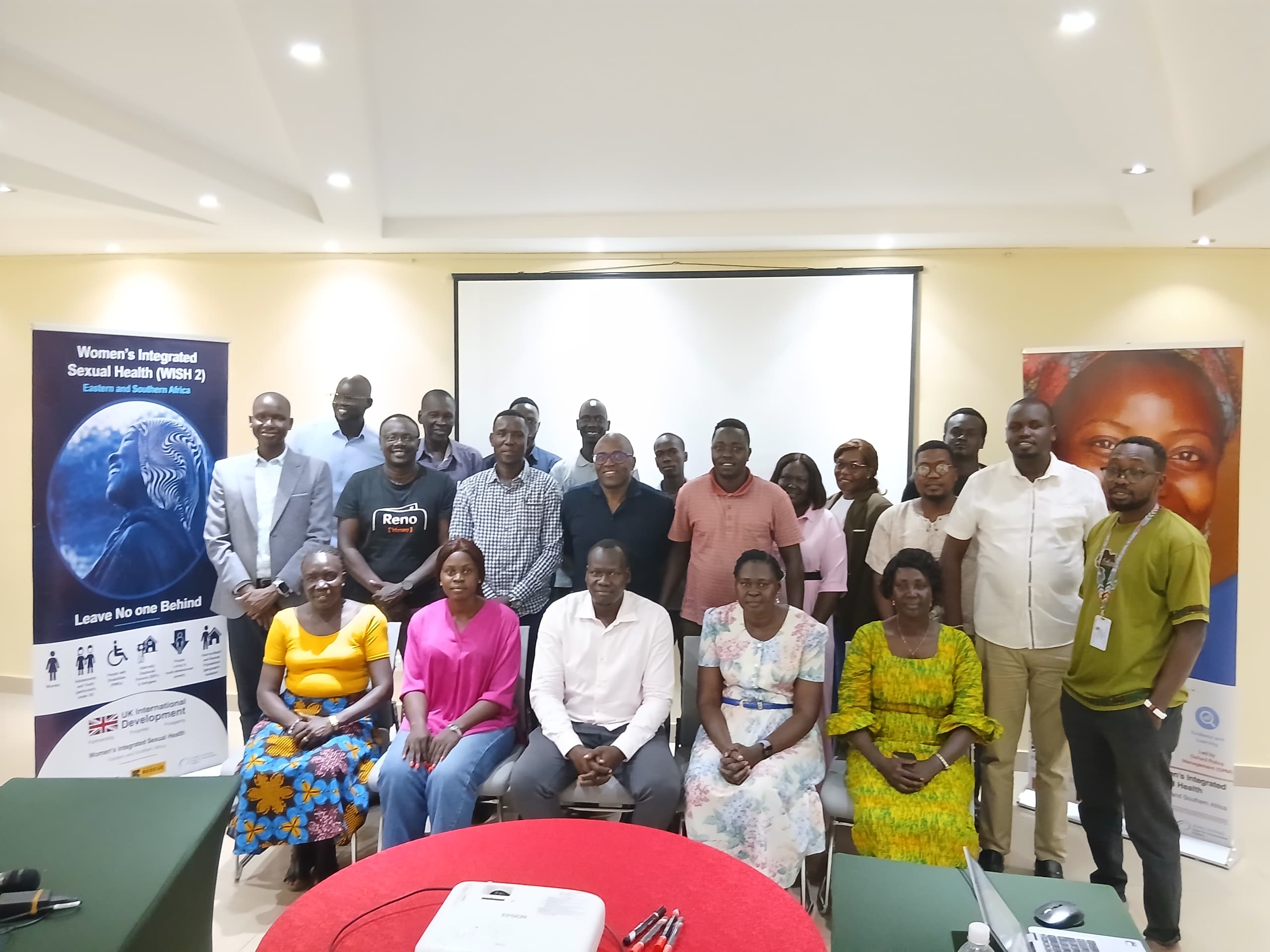
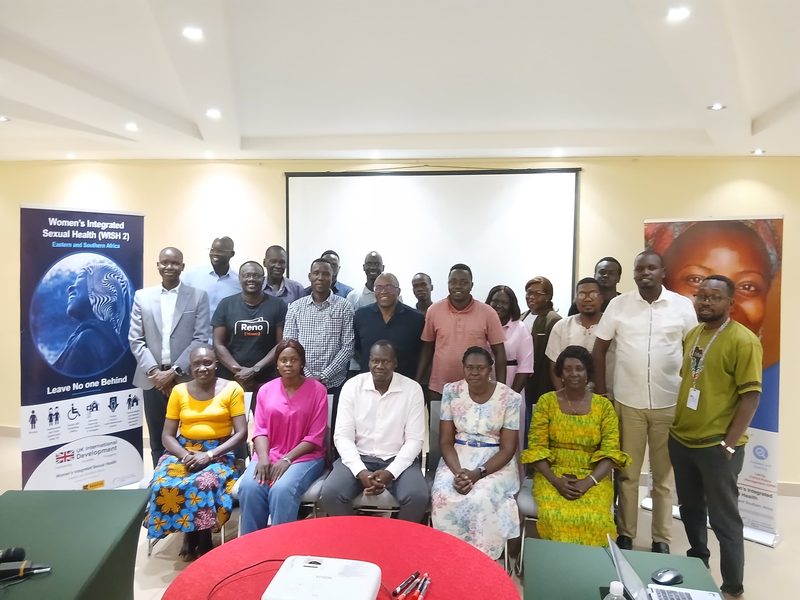
The assessment, conducted from October 20 to 23, brought together government officials, civil society organisations and the WISH II programme to review the management of resources allocated to healthcare.
The findings come as South Sudan continues to allocate a small share of its national budget to healthcare, leaving the sector heavily dependent on external assistance.
According to the World Health Organization’s 2024/25 health sector performance report, government allocation to health fell from 4% of the national budget in 2022/23 to 2% in 2023/24 and remained at that level in 2024/25.
The allocation remains far below the 15% target African Union countries committed to under the 2001 Abuja Declaration.
The assessment examined budget preparation, public access to financial information, execution of allocated funds and mechanisms for monitoring expenditure and accountability.
Participants also reviewed how health funds move from the national government to state and county administrations and health facilities.
At the close of the assessment, the ministry committed to finalising a public financial management improvement plan outlining priority actions, responsible institutions and implementation timelines.
Dr Joseph Giir, Director of Health Policy and Planning at the ministry, said the plan reflected contributions made throughout the four-day exercise.
The ministry’s core team is expected to consolidate the findings, finalise the assessment scorecard and prepare a report for senior management.
Dr George Williams Lutwana, Country Health Systems and Sustainability Lead at the International Planned Parenthood Federation (IPPF) WISH II Africa Regional Office, said the exercise built on previous collaboration with the ministry on health financing and expenditure monitoring.
He expressed confidence that the process would strengthen institutional capacity and resource management, while noting that sustained commitment would be necessary to achieve results.
Joyce Kuron of the Boma Health Initiative at the Ministry of Health called for increased investment in community-based sexual and reproductive health services.
“SRH is not only at the facility level, but a lot of SRH issues are in the community. This is where the integration comes in,” Kuron said.
She urged the government and its partners to provide resources for community workers to conduct awareness campaigns, refer people to health facilities and follow up with patients.
The assessment also identified issues requiring action beyond the health ministry’s direct mandate, prompting calls for civil society organisations to advocate for policy changes and additional resources.
The ministry plans to conduct a follow-up assessment in 2027 to measure progress against the current findings.
Whether the planned reforms will address the identified weaknesses will depend on implementation, particularly in budget execution, expenditure monitoring and accountability for public health funds.