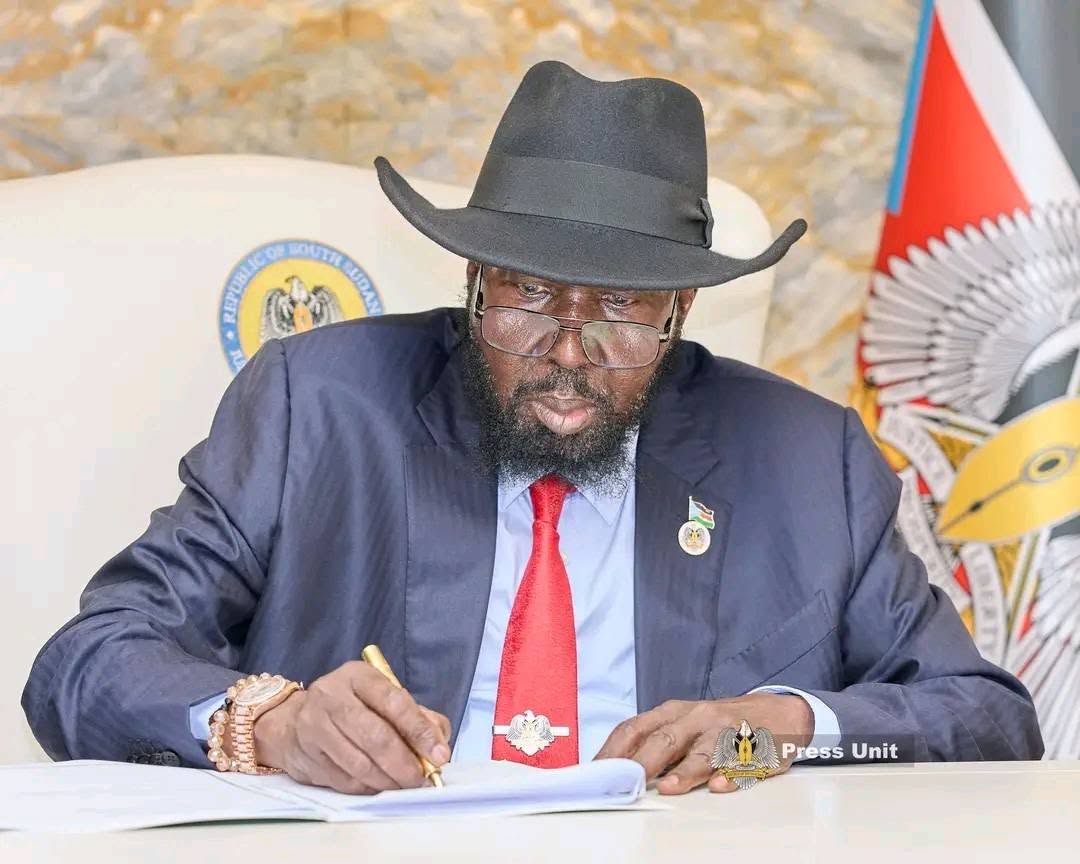
President Salva Kiir Mayardit has officially closed South Sudan’s inter-party dialogue, ending months of political consultations aimed at building consensus ahead of the country’s rescheduled general elections in February 2027.
The dialogue, launched in Juba on September 24, brought together representatives of political parties, government officials, eminent personalities and regional partners to discuss the country’s electoral preparations and outstanding political concerns.
Its conclusion comes amid continued political divisions, particularly over the participation of major opposition groups that have remained outside the dialogue process.
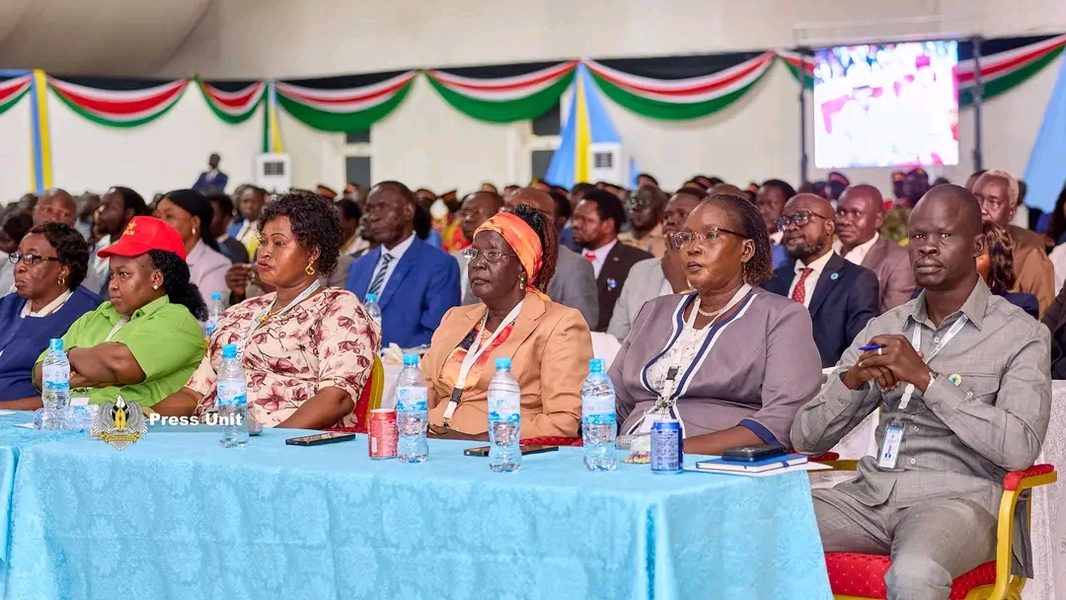
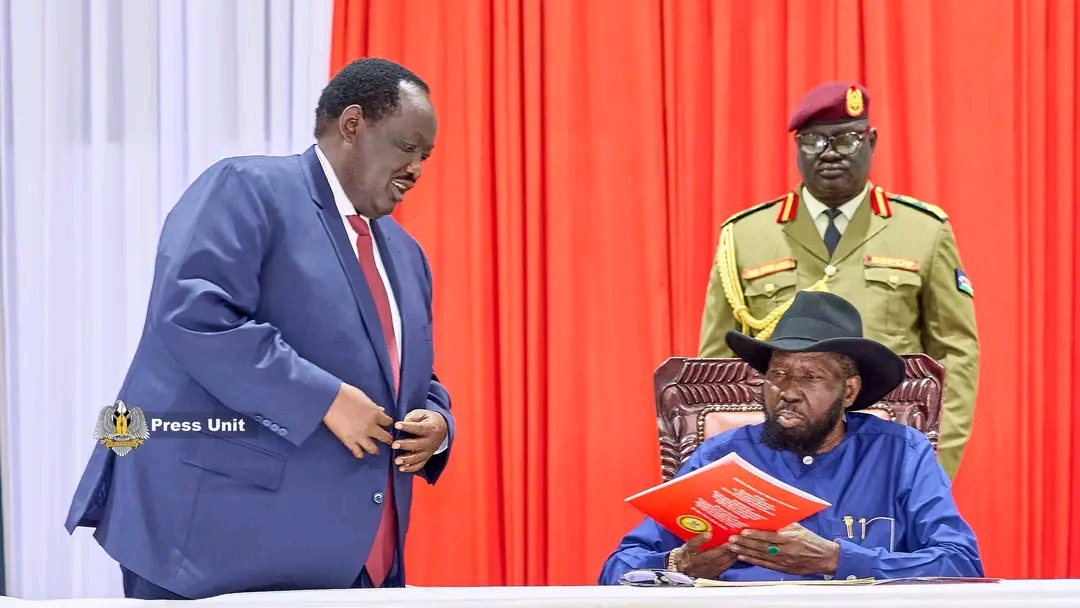
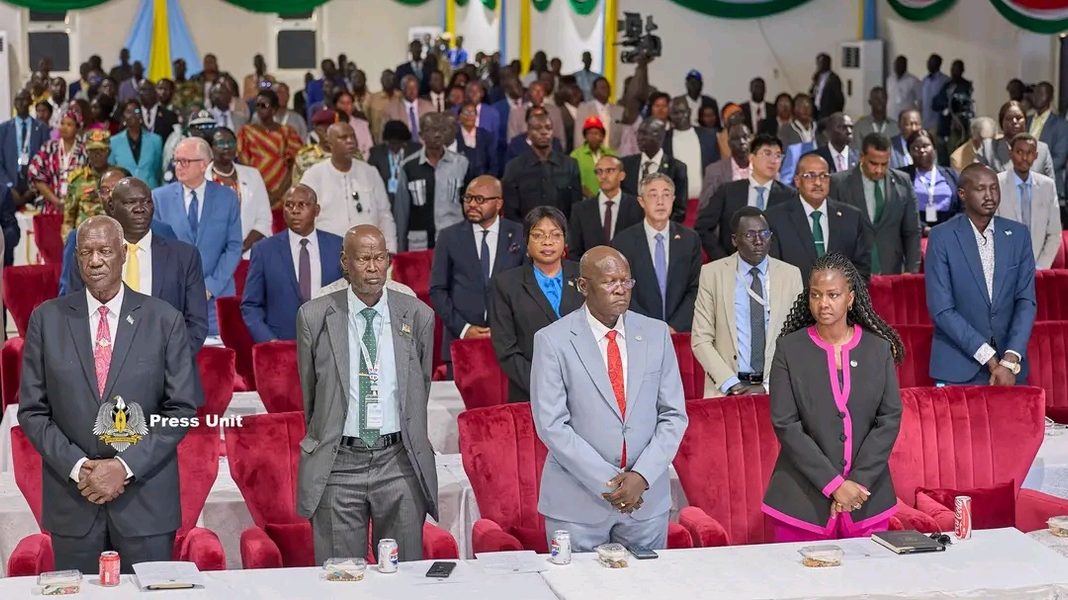
During Thursday’s closing ceremony, the participating parties presented their final resolutions and recommendations to President Kiir, outlining measures they considered necessary for creating a conducive environment for peaceful elections.
The recommendations covered political freedoms, security arrangements, movement of political candidates, political party funding, women’s representation and the participation of marginalised groups in the electoral process.
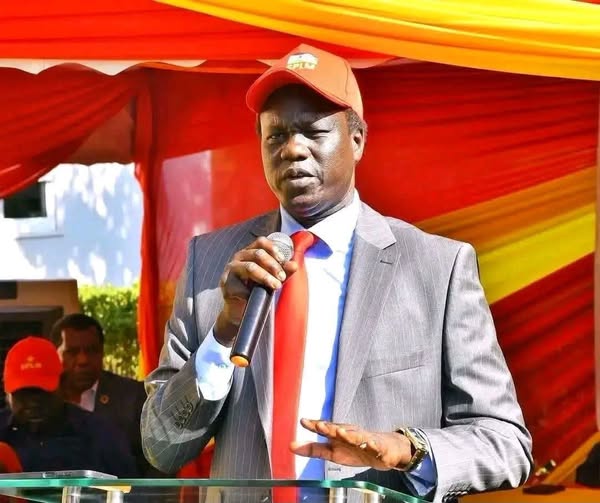
Presenting the resolutions, Dr. Martin Elia Lomuro, the dialogue’s rapporteur, outlined the parties’ position on the need for political and institutional commitments to support the forthcoming elections.
The parties called on the government to guarantee freedom of expression, assembly, movement and political campaigning, while urging security institutions to protect candidates and their supporters from intimidation and harassment.
They also called for the enforcement of the 35 per cent affirmative action for women’s representation and greater participation of young people, persons with disabilities, refugees and internally displaced persons.
In his response, Kiir acknowledged concerns raised by political parties, particularly regarding restrictions on internal movement and the funding of political activities.
“I will try to lift any restrictions on internal travel in accordance with the administrative procedures. Funding will be implemented,” he said.
He added that political party funding would be provided in accordance with existing laws.
Kiir thanked the Eminent Personalities and regional partners, including the African Union, IGAD and the East African Community, for supporting the dialogue before officially declaring it closed.
Despite the conclusion, the participation of major opposition groups remains a concern surrounding the dialogue.
Several opposition groups, particularly those operating outside the country, did not participate, leaving questions about how far the process succeeded in building consensus across South Sudan’s political landscape.
The dialogue had been expected to provide an opportunity for political parties to address disagreements and develop a common understanding ahead of the elections.
Civil society representatives also called for the implementation of the resolutions, warning against allowing the recommendations to remain commitments without practical action.
South Sudan’s National Elections Commission has moved the general elections from December 22, 2026, to February 11, 2027, citing the need for additional time to complete preparations.
The polls will be the country’s first general elections since independence in 2011, following repeated postponements during the transitional period established under the 2018 peace agreement.
Security concerns, funding constraints, political disagreements and questions about institutional readiness have continued to affect the electoral timetable.
With the dialogue now formally closed, attention turns to whether the government and political parties will implement the agreed recommendations before the February 2027 polls.