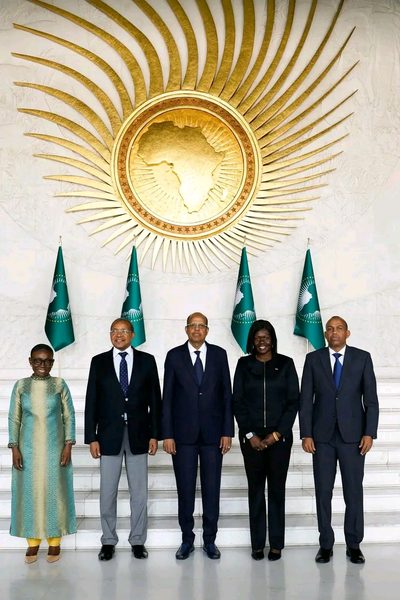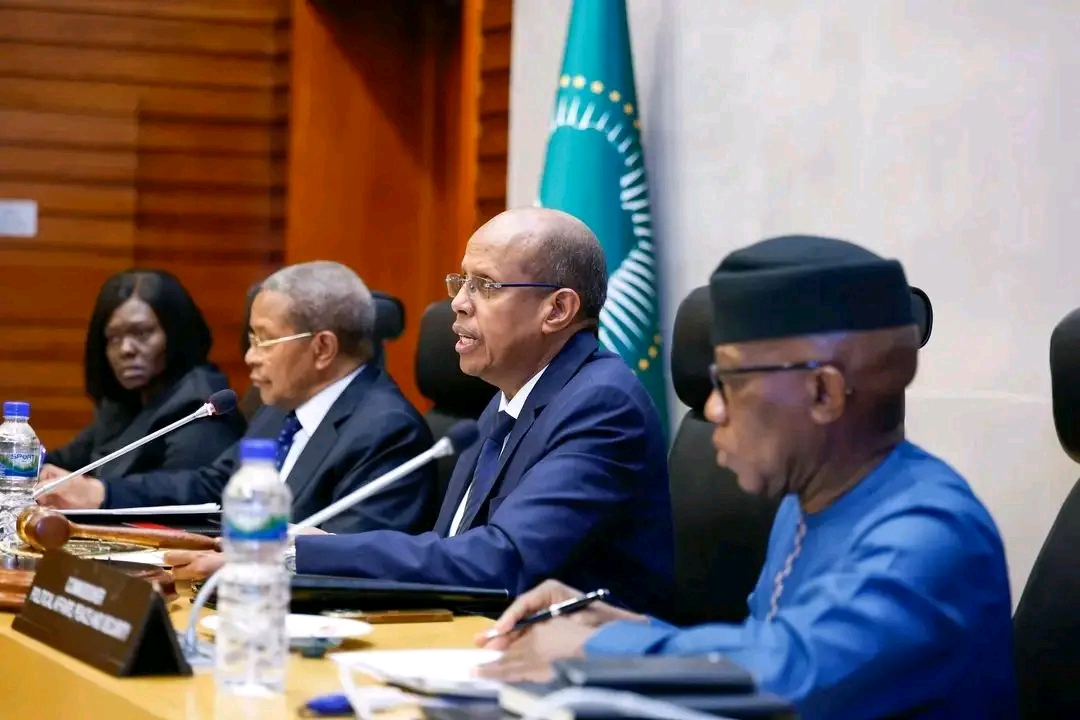
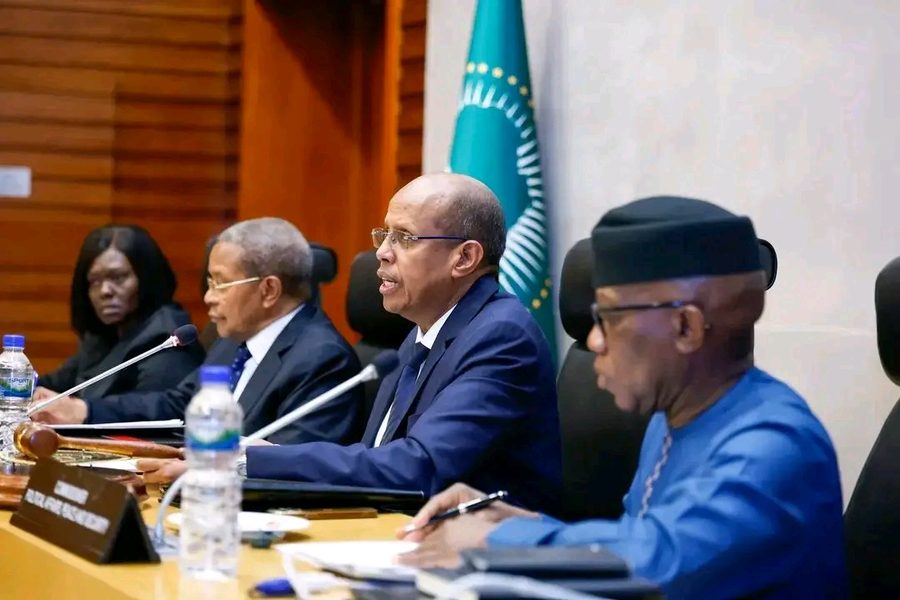
The African Union (AU), Intergovernmental Authority on Development (IGAD) and the United Nations (UN) have launched a joint task force to coordinate international support for South Sudan’s political transition, electoral process and efforts to achieve lasting peace.
The initiative was launched in Addis Ababa, Ethiopia, amid growing uncertainty over the country’s prolonged transitional period and renewed calls for political dialogue, implementation of outstanding peace commitments and preparations for credible elections.
Speaking at the launch, AU Commission Chairperson Mahmoud Ali Youssouf called for a peaceful and credible conclusion to South Sudan’s political transition, warning that repeated extensions had prolonged uncertainty and delayed the aspirations of citizens.
“Successive extensions of the transitional period have prolonged uncertainty and delayed the realization of the legitimate aspirations of the South Sudanese people. A transition cannot become a permanent state of affairs,” Youssouf said.
He stressed that concluding the transition should consolidate the gains made under the peace process rather than create conditions that could trigger renewed instability.
Meanwhile, South Sudan’s Caretaker Foreign Affairs Minister, Cecilia Adut Manyok Adeng, welcomed the establishment of the task force and called on international partners to provide financial and technical assistance to support the implementation of outstanding peace agreement provisions and preparations for elections.
Adeng said sustainable peace required more than political commitments and institutional arrangements, emphasizing the need for adequate resources, economic stability, functioning institutions and public confidence.
“We do not seek to transfer that responsibility, but we truly appreciate all that you’ve been doing for us, in pursuit of this goal,” she said.
The minister maintained that South Sudan remained responsible for advancing its peace process but acknowledged the importance of continued international support in addressing outstanding challenges.
UNMISS Head Anita Kiki Gbeho also cautioned against treating elections as the ultimate measure of peace, saying the credibility and significance of the electoral process would depend on whether it contributed to long-term stability.
“Elections are an important milestone but not an end to the peace process. Their value lies in contributing to peace and stability,” Gbeho said.
She called for respect for the ceasefire, inclusive governance and the implementation of outstanding commitments under the peace agreement, stressing that the people of South Sudan must remain at the centre of the transition.
Gbeho further reaffirmed the United Nations’ commitment to supporting political dialogue and preventive diplomacy to help sustain peace and stability.
The joint task force is chaired by former Tanzanian President Jakaya Kikwete and brings together the AU, IGAD and UN in a coordinated effort to support South Sudan’s political transition, electoral preparations and broader peace-building process.
Its launch comes as South Sudan continues to face significant political and institutional challenges, with questions surrounding the implementation of the peace agreement and the country’s readiness to move towards elections.
The three organisations are expected to coordinate their engagement and support as the country seeks to complete its transitional process and move towards a peaceful and credible political future.