South Sudan has launched a three-year, US$1.5 million initiative aimed at preventing gender-based violence (GBV), improving access to justice and strengthening protection services for women and girls across five counties in three states.
The project, known as Building Safe Communities: GBV Prevention and Response in South Sudan, is expected to reach 123,000 direct participants in Aweil East and Aweil North counties in Northern Bahr el Ghazal State, Torit and Magwi in Eastern Equatoria State, and Kajo-Keji in Central Equatoria State.
Funded by the Irene M. Sterling Foundation, the initiative is being implemented by a consortium of four women-led organisations: TITI Foundation, the Centre for Development Initiative (CDI), Global Voices Organization (GVO) and Heartright Development Foundation (HDF).
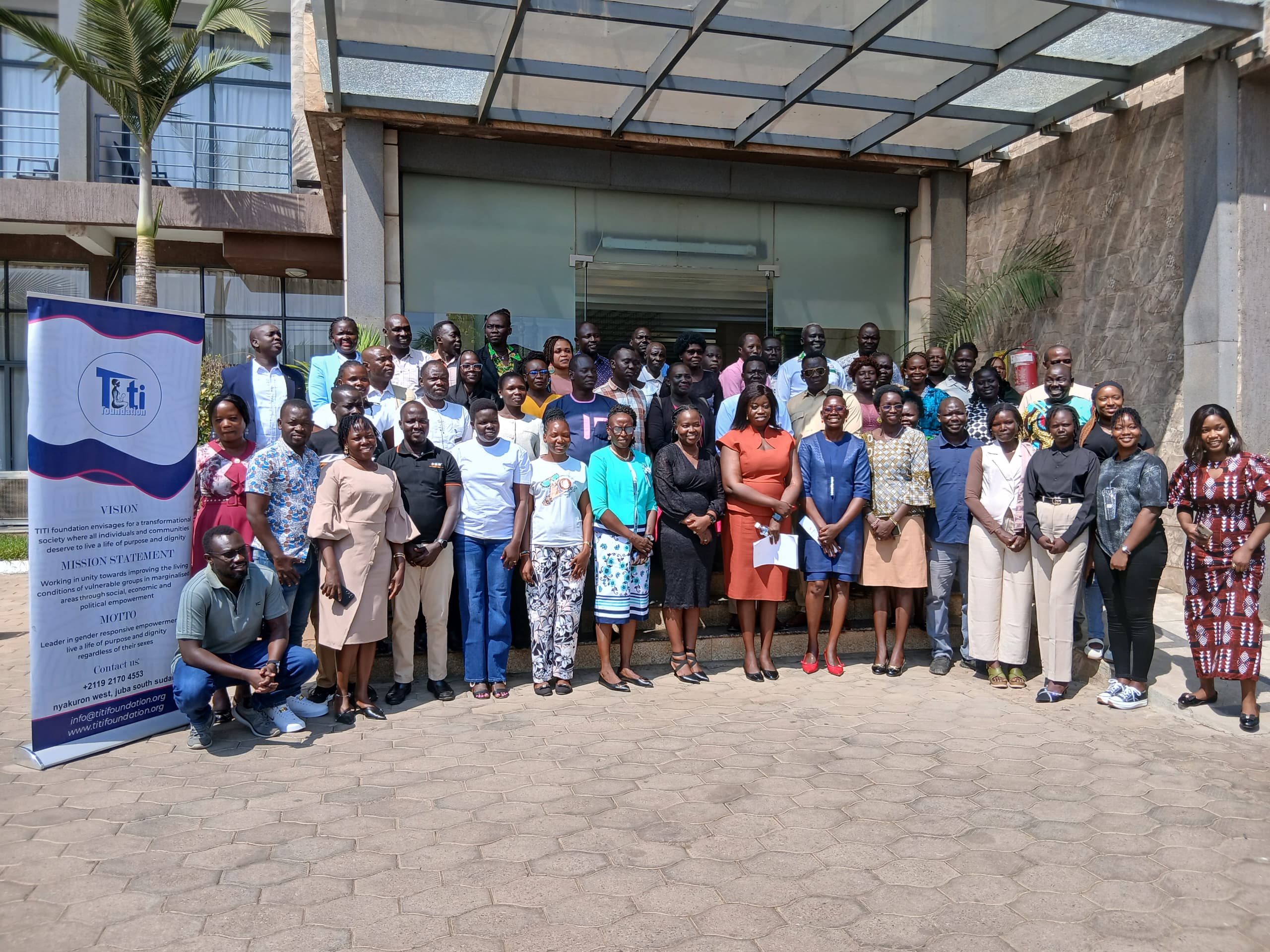
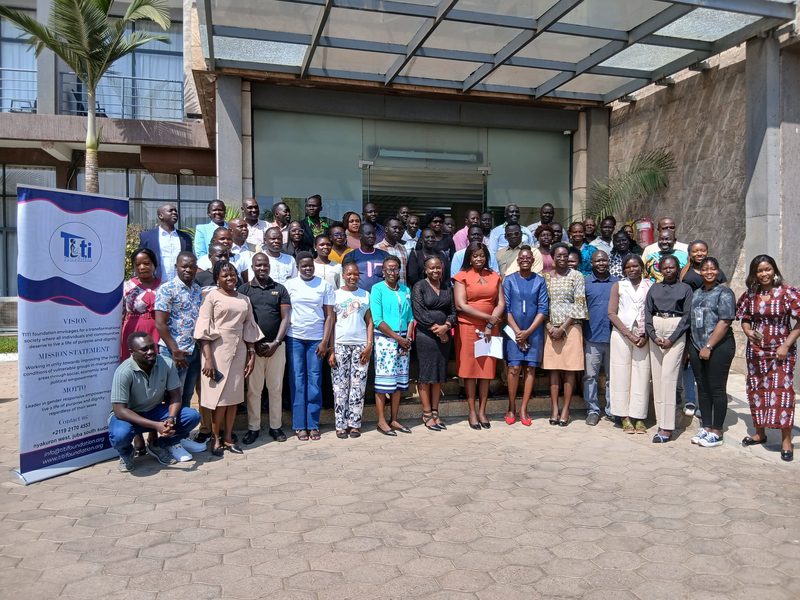
The programme was officially launched by Adeng Andrew Malual Leek, Undersecretary at the Ministry of Gender, Child and Social Welfare, during an event attended by government officials, civil society representatives, women’s rights advocates and development partners in Juba.
Speaking at the launch, TITI Foundation Executive Director Agloria Soma said the initiative was designed to address persistent gaps in GBV prevention, survivor support and access to justice, particularly in communities that have received limited attention from similar interventions.
Soma said the consortium had deliberately selected the five counties to avoid duplicating existing programmes and ensure that resources reach underserved communities.
She explained that the three-year project would combine community awareness campaigns, GBV case management, psychosocial support, legal aid, legal representation and referral services to improve the response to violence against women and girls.
Under the implementation arrangement, Global Voices Organization will lead activities in Aweil East and Aweil North, CDI will operate in Magwi, Heartright Development Foundation will cover Torit, while TITI Foundation will oversee implementation in Kajo-Keji.
A key component of the initiative will be the Engaging Men through Accountable Practices (EMAP) approach, which seeks to involve men and boys in challenging harmful gender norms and promoting positive relationships.
According to Soma, the approach will create opportunities for men and women to engage in dialogue, share experiences and identify collective solutions to prevent violence within their communities.
Meanwhile, Undersecretary Adeng Andrew Malual Leek described gender-based violence as a violation of human rights and a major obstacle to national development, the rule of law and the protection of vulnerable populations.
She reaffirmed the government’s commitment to strengthening institutional accountability, expanding survivor protection services and improving access to justice.
Leek urged implementing organisations to ensure that adolescent girls, women and girls with disabilities, returnees and internally displaced persons are included in the programme, warning against leaving vulnerable groups behind.
She also emphasised that preventing GBV requires collective responsibility involving government institutions, civil society organisations, development partners, communities, men and boys.
The Undersecretary pledged the ministry’s continued engagement in monitoring implementation and supporting policy coordination.
Aciro Lucy Samuel, Chairperson of the Women-Led Organizations Network South Sudan, welcomed the initiative, describing the partnership as an important example of locally led development and women’s leadership in addressing protection challenges.
Samuel commended the Irene M. Sterling Foundation for supporting an initiative that strengthens women’s rights and community protection.
She also called on women-led organisations to deepen collaboration, share resources and support one another through partnerships and sub-granting arrangements.
Samuel further reaffirmed the network’s readiness to support advocacy for the enactment of the Anti-GBV Bill into law, noting that the network brings together 58 women-led organisations.
Similarly, Evaline Beina, Executive Director of Dove Organization South Sudan, called for stronger coordination and accountability among government institutions, civil society, traditional and religious leaders, development partners and local communities.
She said sustainable protection of women and girls requires collective action beyond the efforts of individual organisations.
Betty Yari, Executive Director of the Centre for Development Initiative, and Gonda Tobby, Intervention Manager at Caritas, were also among the representatives attending the launch.
Beyond direct service delivery, the project will advocate for gender-responsive legislation and policies, including the Anti-GBV Bill and Family Law Bill. It will also strengthen community protection structures, women’s groups, youth leaders and local service providers.
South Sudan continues to face significant gender-based violence challenges, including sexual violence, intimate partner violence, child and forced marriage, sexual exploitation and harmful traditional practices.
Conflict, displacement, economic instability and discriminatory social norms have further increased protection risks for women and girls while limiting their access to essential services.
Through the three-year programme, the implementing organisations aim to address not only individual cases of violence but also the underlying social, cultural and institutional factors that contribute to GBV.
The effectiveness of the initiative will depend on sustained funding, coordination, community participation and the commitment of government institutions to translate protection policies and legal reforms into practical action for women and girls across the country.