More than 1,000 people in Akoon Community now have access to safe and reliable water following the construction of a borehole by Action Against Hunger, with support from the European Union’s humanitarian funding through ECHO.
The new water point has eased longstanding shortages in the community, where residents previously relied on unsafe and unreliable water sources for drinking and domestic use.
The arrival of internally displaced people from the Abyei Administrative Area and returnees fleeing conflict in Sudan had placed additional pressure on the community’s limited water resources, raising concerns over public health and possible tensions over access to basic services.
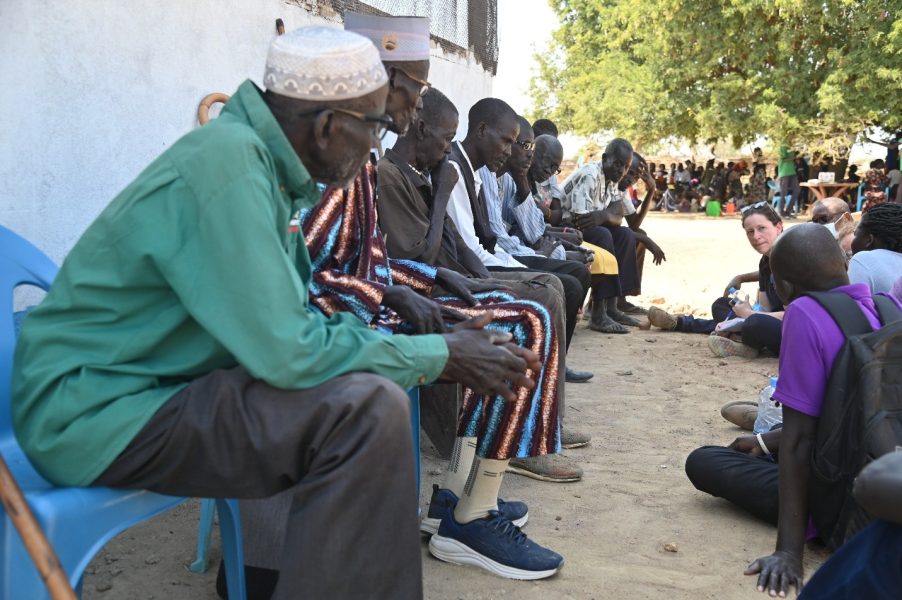
For 56-year-old local chief Deng Majok, the borehole has brought a significant change to daily life in Akoon.
“Before the borehole was drilled, people struggled to find enough clean water for their families,” Chief Majok said. “The community depended on unsafe water sources, and we were always worried about diseases, especially during the rainy season.”
According to humanitarian standards, a single borehole is generally designed to serve about 500 people.
However, the water point in Akoon is currently serving more than 1,000 people, including members of the host community, displaced families from Abyei and returnees from Sudan.
The project has also introduced measures aimed at ensuring the water facility remains functional and accessible to the community.
Residents have established a Water User Committee responsible for managing and maintaining the borehole, while trained hygiene promoters are conducting awareness activities on safe water handling, sanitation and hygiene practices.
Community leaders say improved access to clean water has helped reduce concerns over waterborne diseases.
“Last year and in previous years, cholera was always a major concern,” Chief Majok said. “This year, we have not seen the outbreak that many people feared. Access to clean water and hygiene awareness has made a big difference.”
The benefits extend beyond drinking water. Families are now using the available water for domestic activities, kitchen gardens and livestock, helping improve household nutrition and livelihoods.
The borehole has also become a shared resource for different groups living in Akoon. Women from the host community, displaced families and returnees can be seen collecting water from the same facility, creating opportunities for interaction and cooperation.
“The borehole belongs to everyone,” Chief Majok said. “Host communities, returnees and displaced people use it together without conflict. It has helped bring our community closer.”
As displacement and humanitarian needs continue to affect communities across Northern Bahr el Ghazal, access to safe water remains a critical need for vulnerable households.
Action Against Hunger, with funding from the European Union’s humanitarian aid through ECHO, says the project is part of wider efforts to improve access to water, sanitation and hygiene services, strengthen public health and support the resilience and dignity of crisis-affected communities.