Civil society and election stakeholders are raising concerns over South Sudan’s preparedness for the scheduled 22 December 2026 general elections, calling for urgent and coordinated action to address remaining institutional, legal, operational, security and civic-space challenges.
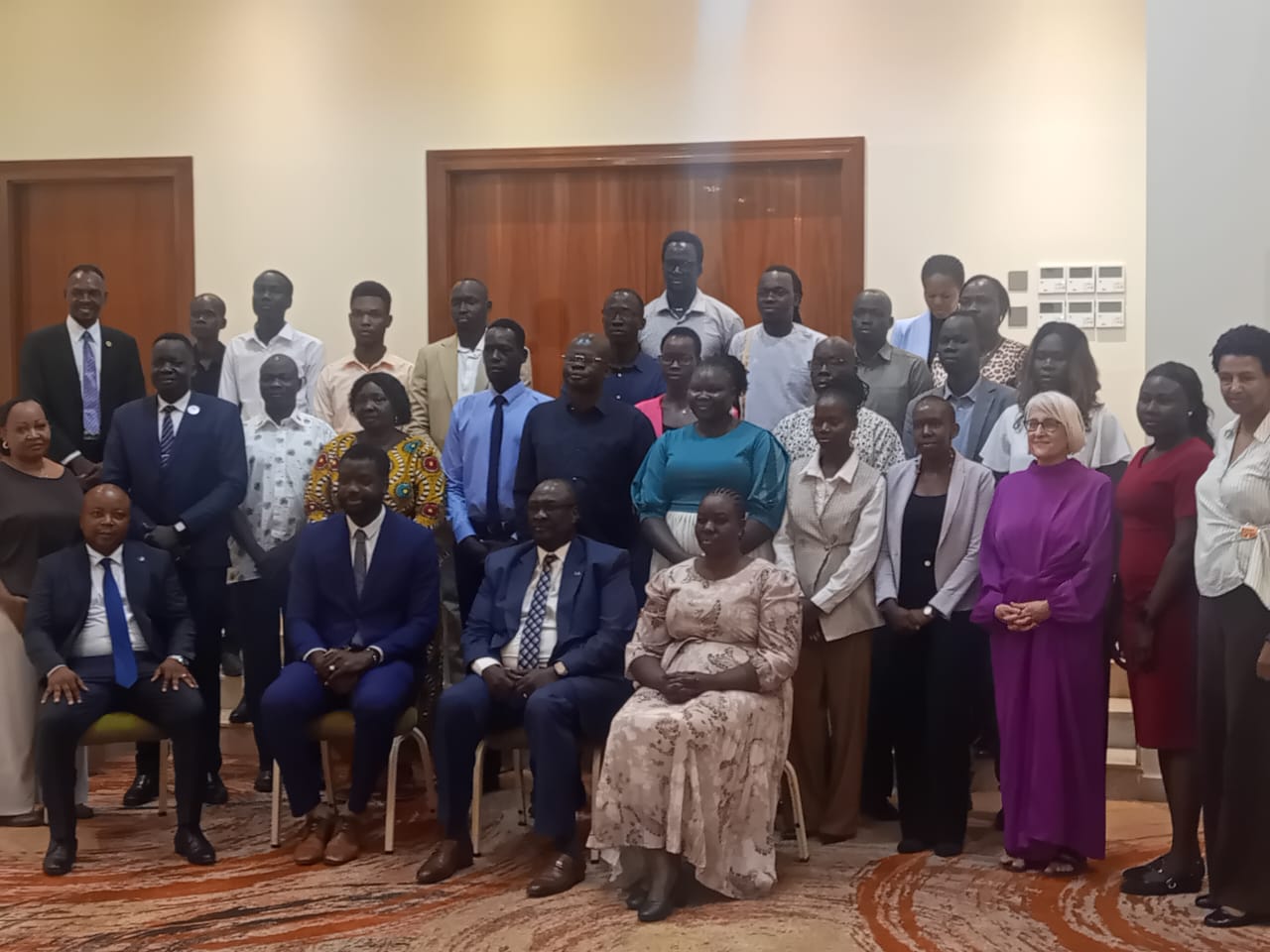
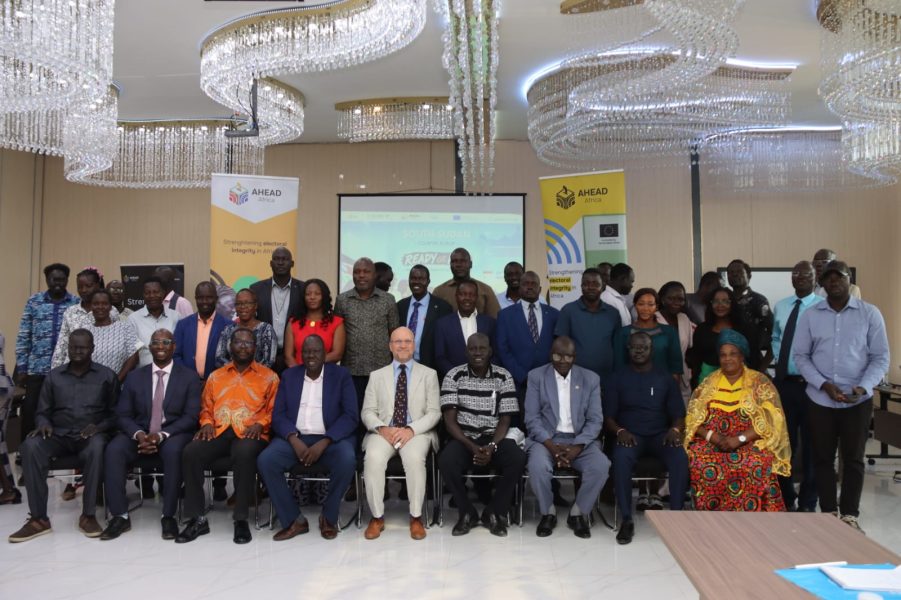
The concerns were raised following the 2026 South Sudan Country Forum, held in Juba from September 23–24 under the theme “Ready or Not: Assessing South Sudan’s Preparedness for the 22 December 2026 Elections.”
The forum brought together electoral and oversight institutions, civil society organizations, women and youth representatives, persons with disabilities, media organizations, human rights defenders, political and community stakeholders, and regional and international partners.
The South Sudanese Network for Democracy and Elections (SSuNDE) and the East and Horn of Africa Election Observation Network (E-HORN) said electoral credibility depends not only on polling day, but also on the broader environment in which the elections are conducted.
SSuNDE Chairman James Okony Dau said the remaining period requires urgent, coordinated and measurable action from institutions and stakeholders within their respective mandates.
He also called for regular public communication and greater transparency on electoral preparations, particularly given the compressed timetable and the number of tasks still requiring completion.
The forum identified several areas requiring immediate attention, including voter registration, electoral logistics, staffing, polling arrangements, voter education, legal and constitutional clarity, civic and political freedoms, election security and mechanisms for resolving electoral disputes.
The groups also stressed the need for meaningful participation of women, youth, persons with disabilities, displaced people, returnees and other underserved communities throughout the electoral process.
E-HORN representative Dr Kennedy Masime warned that misinformation, disinformation, weak data-protection safeguards and limited access to reliable electoral information could undermine public confidence in the process.
The organizations called for stronger civic and voter education, accurate and accessible electoral information, protection of personal and electoral data, responsible media reporting and an environment that allows peaceful civic and political participation.
The forum also urged the National Elections Commission (NEC) to demonstrate institutional independence and impartiality, regularly publish an electoral operational timetable, strengthen consultations with stakeholders and establish accessible complaints and dispute-resolution mechanisms.
The concerns come as the NEC continues preparations for the December polls. The Commission presented voter registration materials to President Salva Kiir earlier this month, while confirming that voter registration had not yet begun and that no official registration figures existed.
The African Union Peace and Security Council has likewise identified funding and administrative shortfalls affecting election bodies and called for a realistic electoral roadmap, while stressing the importance of political consensus, an open civic space, security and effective dispute-resolution mechanisms.
SSuNDE and E-HORN are now calling on national institutions, political actors and other stakeholders to work together to close the identified gaps and support a peaceful, inclusive, transparent and credible electoral process.