Community Empowerment for Progress Organization (CEPO) has called on delegates to South Sudan’s Inter-Party Political Dialogue on Election Matters to adopt inclusive resolutions that address electoral preparedness, political consensus and the country’s ongoing transition from conflict to peace.
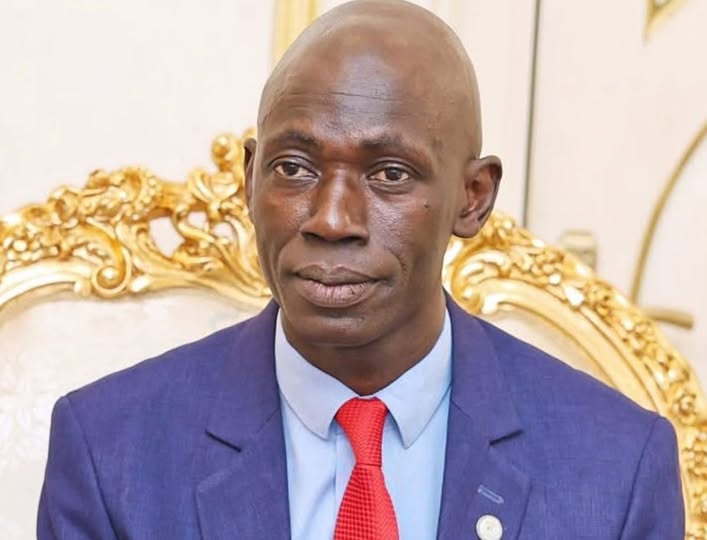
Edmond Nyakani, CEPO’s executive director, made the appeal ahead of the expected conclusion of the dialogue, urging the steering committee and participating delegates to ensure that the outcome reflects the concerns of political parties and other stakeholders.
Nyakani said the resolutions should provide space for all political actors and other South Sudanese stakeholders to contribute to building consensus on the conditions necessary for peaceful, credible, free and fair elections.
He said the country’s transitional process had faced several challenges, including inadequate funding, delays in implementing the 2018 peace agreement, alleged violations of its provisions and what he described as political manipulation.
With the general elections scheduled for December 22, 2026, Nyakani urged political leaders to assess realistically whether the remaining time would be sufficient to complete outstanding electoral and transitional tasks.
He said delegates should commit themselves to implementing any agreed actions without further delays, while ensuring that the electoral process creates conditions for citizens to freely choose their leaders and have their votes translated into the formation of the next government.
“We are aware that election is a popular demand of South Sudanese, but we need a creation of good enough conditions for designing an environment where we will have peaceful, credible, free, and fair elections,” Nyakani said.
The CEPO executive director also urged delegates not to undermine the proposed involvement of the Intergovernmental Authority on Development (IGAD), the African Union (AU) and the United Nations (UN) in supporting South Sudan’s transition.
He said the dialogue’s resolutions should accommodate the regional and international initiative to establish a joint committee involving the three organisations to work with the South Sudanese government on efforts to move the country from violence to peace.
Nyakani also called for the continuity of the Revitalised Agreement on the Resolution of the Conflict in the Republic of South Sudan (R-ARCSS), saying it should remain part of the post-election agenda and be implemented in both letter and spirit.
His remarks come as South Sudan faces mounting pressure to prepare for the December elections while addressing outstanding provisions of the 2018 peace agreement, which established the framework for the country’s transitional government and political settlement.
Nyakani warned that failure to conduct credible elections before the end of the transitional period could raise questions about the legitimacy of the caretaker government beyond February 22, 2027, when the current transition is scheduled to conclude.
He said an interim government could become the next option if the country failed to conduct elections, urging political leaders not to use extensions of the transitional period to prolong their political tenure.
“Moment has come, citizens have said, give us the chance to decide who are our leaders,” he said, stressing that elections should take place in an environment where votes are counted and reflected in the formation of the next government.
Nyakani called on the dialogue delegates to take their responsibility seriously as they finalise their resolutions, saying the decisions reached should help address outstanding challenges and establish a credible path towards the country’s political transition.