President Salva Kiir Mayardit has told political parties that the Inter-Party Dialogue on election-related matters must not be used to renegotiate the country’s electoral path.
He said the dialogue should instead help build consensus around peaceful and credible elections.
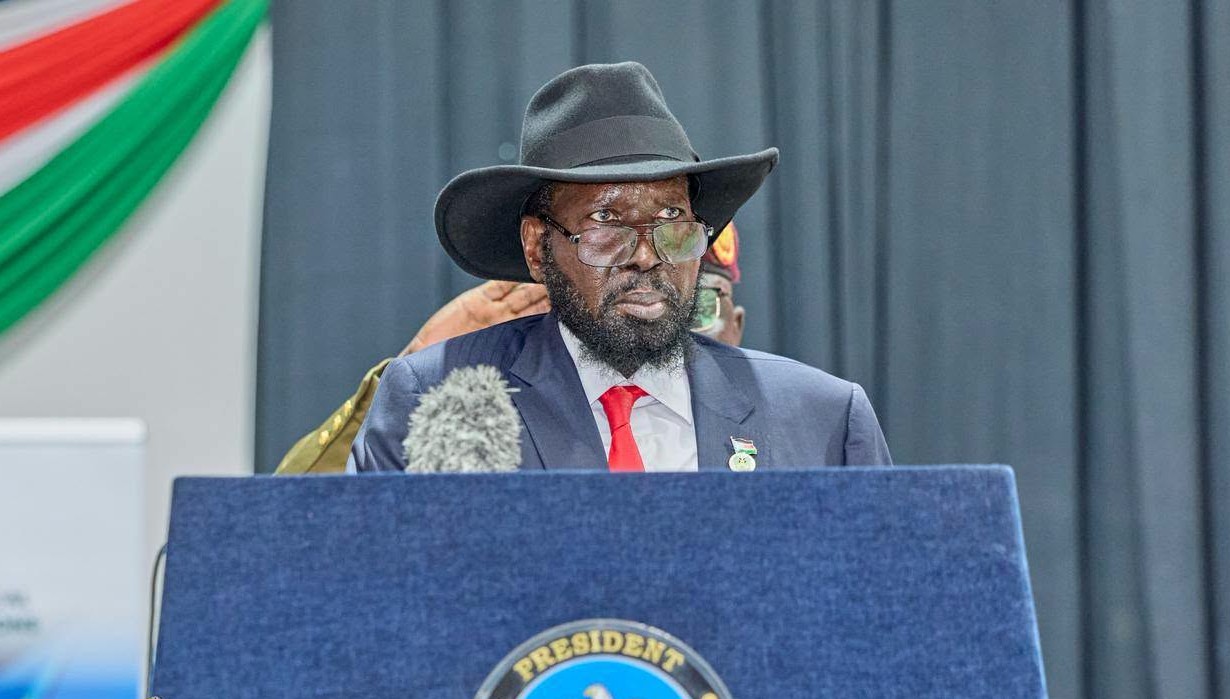
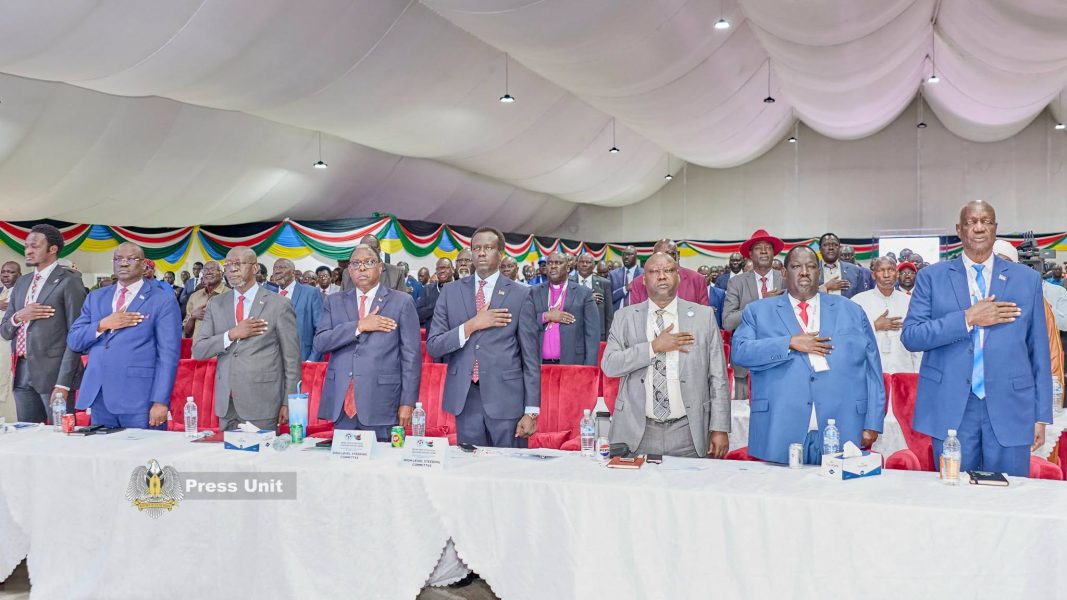
Kiir made the remarks on Thursday, September 24, 2026, while officially launching the dialogue in Juba, describing the meeting as a key stage in preparations for the December 22 general elections.
The President said the government and parties to the Revitalised Agreement on the Resolution of the Conflict in South Sudan (R-ARCSS) had agreed to avoid another extension of the transitional period and pursue a general election.
“This marks a historic moment in a journey we began in December 2025, regarding the elections and the end of the transition period,” Kiir said.
“Indeed, we agreed with all parties to the R-ARCSS to avoid further extensions and chose the option of a general election.”
Kiir outlined four critical roadmaps that he said make up the country’s journey towards the elections.
“The first is the legal roadmap, which has now been achieved. The second is the administrative and logistics roadmap, which is also progressing well. The third is the security roadmap, which is also progressing well. The fourth is this dialogue on election-related matters,” he said.
He said the Inter-Party Dialogue should therefore concentrate on election-related issues rather than reopening decisions already made under the existing legal framework.
“This inter-party dialogue is not a place for negotiations and disagreements. It is not a place to shift the direction of the path that we have taken. It is not a place to hold us back,” Kiir said.
“Instead, its main purpose is for all of us to agree on a path to peaceful and credible elections.”
Kiir said the dialogue should provide political parties and other stakeholders with an opportunity to establish a clear roadmap for conducting the elections, while ensuring that discussions do not contradict existing election laws.
“This inter-party dialogue must focus strictly on election-related matters. It is an opportunity for all of us to create a clear roadmap for conducting the elections,” he said.
The dialogue brings together political parties and other stakeholders as the country moves towards the scheduled December polls, which are expected to mark the end of the prolonged transitional period established under the 2018 peace agreement.
Kiir also used the occasion to thank regional and international actors for supporting South Sudan’s preparations for the elections.
“I therefore want to take this chance to thank all the C5 leaders for the support they have given to us to conduct the upcoming elections,” he said.
He specifically referred to the African Union Peace and Security Council meeting No. 1264, held in August 2026, saying the council had appreciated the South Sudan government’s commitment to holding credible elections in December.
“In a special way I want to thank leaders who have always stood with us and supported and guided us on our path towards election,” Kiir said.
The President’s remarks come as political parties continue to debate the conditions under which the elections should be held, including political participation, civic space, security and preparations by electoral institutions.
The R-ARCSS, signed in September 2018, established a power-sharing transitional government between President Kiir and opposition groups following years of armed conflict. The agreement provided for a transitional period leading to elections, but repeated extensions have postponed the vote.
The parties agreed in 2024 to extend the transitional period by two years, with elections subsequently scheduled for December 2026.
With the vote now less than three months away, the Inter-Party Dialogue is expected to provide a forum for political actors to address election-related concerns and seek agreement on measures aimed at ensuring a peaceful electoral process.
Kiir maintained that the purpose of the dialogue is not to change the country’s electoral direction, but to help political parties agree on how the scheduled elections can be conducted peacefully and credibly.