
Global development organisation SNV is calling for a shift from humanitarian dependence to sustainable economic growth in South Sudan, arguing that empowering farmers with modern skills, technology and market access is the most effective path to tackling chronic food insecurity and rural poverty.
Speaking during a media engagement and demonstration visit at the University of Juba, SNV South Sudan Country Director Justin Amos Miteng said the country’s long-term development depends on strengthening local institutions and enabling communities to become self-reliant rather than relying on emergency aid.
“We are a development organisation, not a humanitarian organisation,” Miteng told journalists. “Our vision is a world where all people live in dignity and have equitable opportunities to sustainably thrive. We believe communities should be empowered to build their own future.”
Miteng said SNV’s approach focuses on creating lasting systems that continue to benefit communities long after donor-funded projects have ended.
The organisation works in partnership with government institutions, the private sector, research institutions and local communities across three key sectors—agri-food systems, water and renewable energy.
Agriculture, he said, remains at the centre of SNV’s strategy because it provides livelihoods for the majority of South Sudan’s population while holding the greatest potential to reduce poverty and improve food security.
Through partnerships with agricultural organisations, including East-West Seed, SNV is supporting farmers with improved seed varieties, climate-smart farming techniques and stronger agricultural extension services designed to increase productivity despite the growing impacts of climate change.
“Our goal is not simply to implement projects,” Miteng said. “Every intervention should create systems that continue working long after the project ends, allowing successful models to be replicated in communities across South Sudan.”
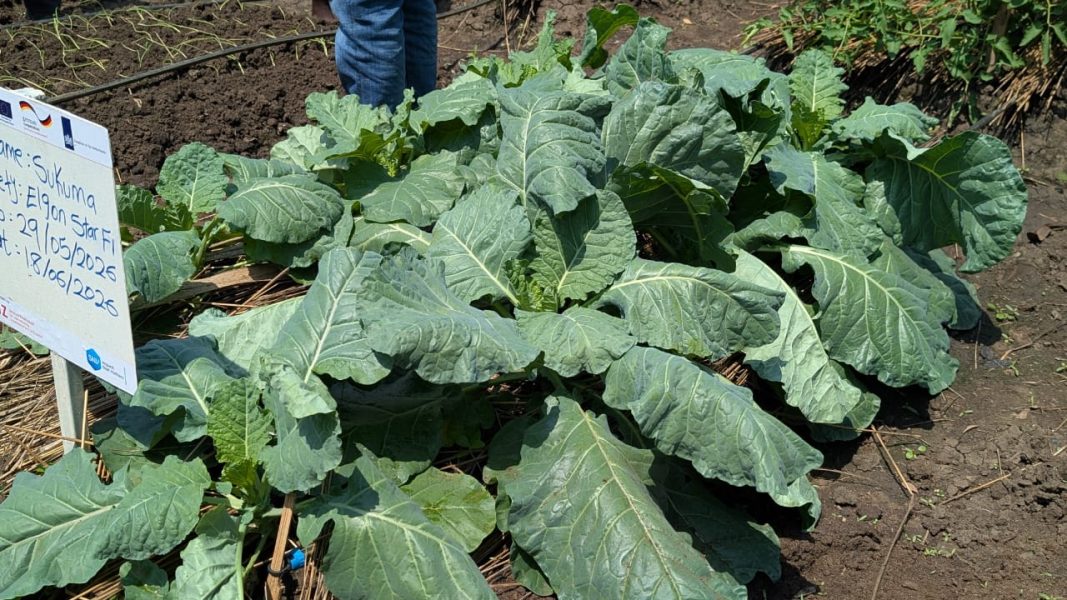
As part of that strategy, SNV showcased demonstration farms at the University of Juba, where farmers, students and extension officers receive practical training on modern farming technologies before applying them in their own communities.
The organisation believes that improving agricultural knowledge is just as important as increasing access to farming inputs, helping producers adopt more efficient and resilient methods capable of boosting harvests while protecting natural resources.
Beyond farming, Miteng highlighted renewable energy as another pillar of rural transformation. He said solar-powered irrigation systems can enable year-round crop production, while clean cooking technologies reduce indoor air pollution and dependence on firewood.
Solar lighting, he added, also expands educational opportunities by allowing children to study after sunset.
He stressed that sustainable investment in water, sanitation and hygiene (WASH) infrastructure remains critical to protecting public health and supporting agricultural production through reliable irrigation systems.
SNV Cereal Expert Duku Jonah Emmanuel said increasing cereal production will require more than improved seeds. Farmers also need better post-harvest handling, stronger storage facilities and improved access to markets to reduce losses and increase household incomes.
He said connecting farmers to value chains would help transform agriculture from subsistence farming into a viable commercial sector capable of driving economic growth.
Miteng also challenged South Sudan’s media to broaden national conversations beyond conflict and humanitarian crises by highlighting stories of innovation and sustainable development that encourage wider adoption of successful practices.
“Development is not only measured by the projects we implement,” he said. “It is measured by the systems we strengthen, the partnerships we build and the opportunities we create for communities to thrive on their own.”
As South Sudan continues to grapple with recurring food shortages, climate shocks and economic hardship, SNV says investing in resilient agriculture, clean energy and sustainable water management offers a pathway toward stronger rural livelihoods, greater food security and a more self-reliant economy.