South Sudan has stepped up efforts to strengthen early childhood development by bringing government institutions, civil society organisations, development partners and other stakeholders under a new national coordination network.
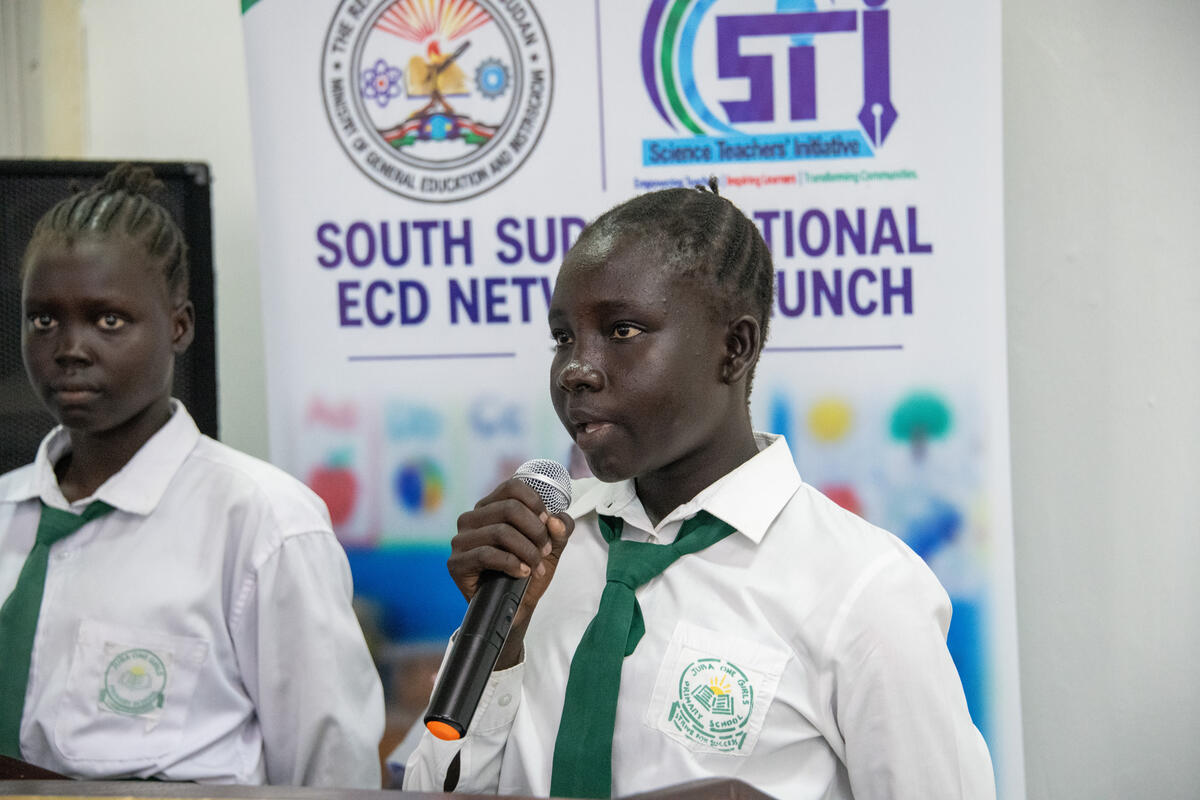
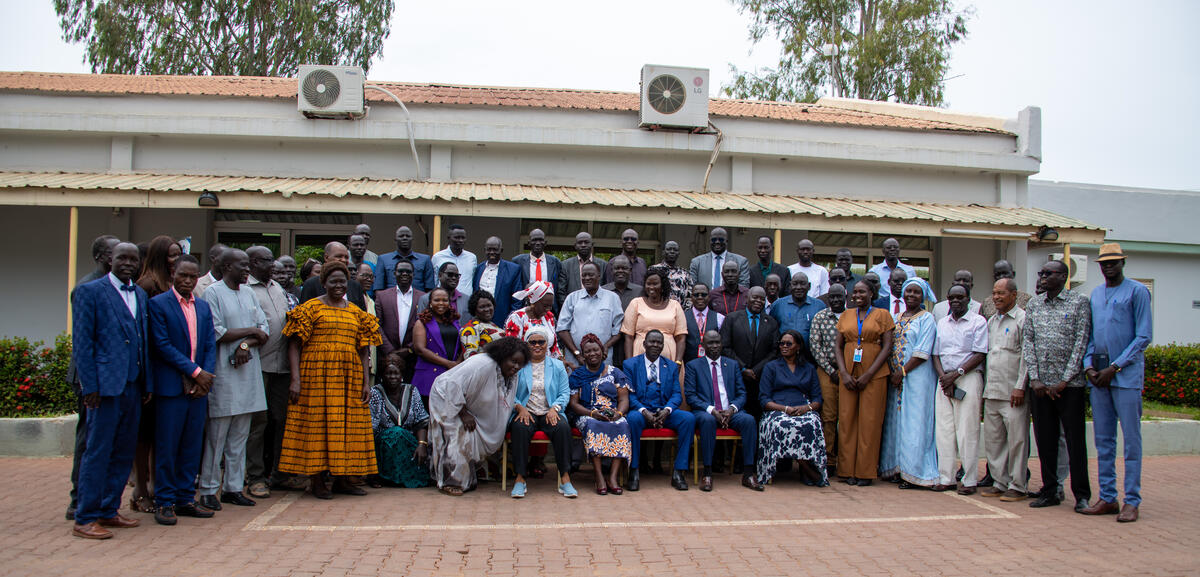
The South Sudan National Early Childhood Development Network (SSNECDN) was established in Juba on Tuesday during a high-level forum attended by representatives from all 10 states and three administrative areas.
The network is intended to improve coordination of services affecting young children, including education, health, nutrition, child protection and early learning, while helping integrate early childhood development into national and sub-national planning.
The initiative is led by the Science Teachers’ Initiative (STI), with Save the Children serving as co-chair and technical support from the African Early Childhood Network (AfECN).
The process follows a Memorandum of Understanding signed between STI and the Ministry of General Education and Instruction in March 2026.
The network will focus on children across the 0–8 age range, including younger children aged 0–2 and those aged 6–8, groups stakeholders say have received comparatively less attention in broader early childhood development programmes.
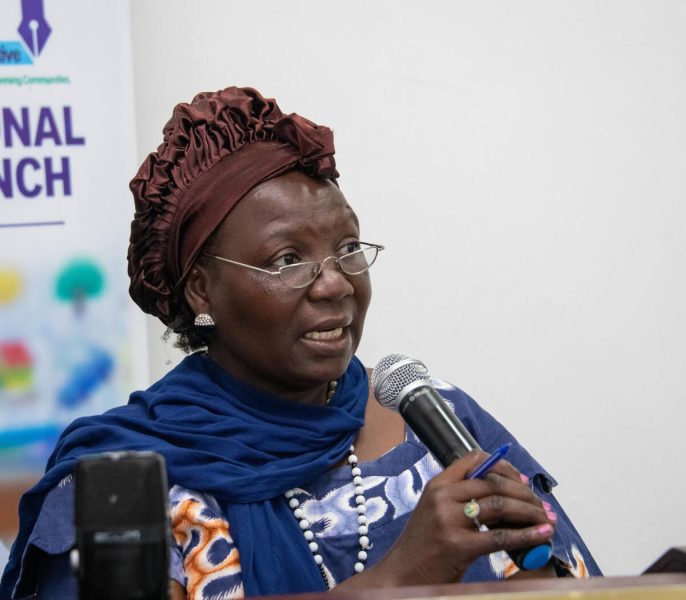
Madam Celine Grace Peter, Director General for Child Welfare at the Ministry of Gender, Child and Social Welfare, stressed the importance of care and investment during the earliest years of a child’s life.
“Children complete their body development from the age of 0–5 years old. During this time, 80 percentage of the child’s brain develops, and it requires nurturing, caring, protection and health,” she said.
Save the Children International’s PDQ Director, Otieno Isaac, said the different aspects of a child’s development cannot be treated separately.
“For a young child, health, nutrition, protection and learning are inseparable,” Otieno said.
According to the Ministry of General Education and Instruction, the network is not intended to create a parallel system but to integrate services such as developmental screening, nurturing care and early learning into existing health and education programmes, including antenatal care, immunisation and preschool education.
The next phase will focus on strengthening ECD coordination structures at state and sub-national levels.
This will include mapping organisations working in the sector, improving coordination of services and developing approaches suited to local communities.
The forum is also expected to support a Juba Declaration on Early Childhood Development, bringing national and sub-national leaders together around coordinated planning, implementation and resource allocation.
The move comes as South Sudan continues efforts to expand access to quality early childhood services.
Earlier this month, the Ministry of General Education and Instruction, working with UNICEF, trained master trainers to support the rollout of ECD programmes and strengthen play-based and child-centred learning across the country.
Stakeholders say the broader goal is to ensure that the needs of young children are reflected more consistently in government planning, service delivery and investment decisions from the national level down to states, counties and payams.