The United Nations has warned South Sudan against rushing into its planned December elections without building political consensus, strengthening confidence among parties and addressing outstanding provisions of the peace agreement.
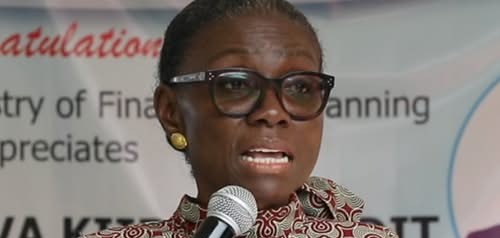
Anita Kiki Gbeho, head of the United Nations Mission in South Sudan (UNMISS), told the UN Security Council on Tuesday that the country’s political consensus was becoming increasingly fragile, with 42 days remaining before the planned December 22 elections.
Gbeho said elections alone could not resolve the country’s political challenges, stressing that political dialogue and confidence-building remained essential to achieving lasting peace.
“Elections cannot substitute for political dialogue, confidence-building and continued implementation of the Peace Agreement,” she told the Council.
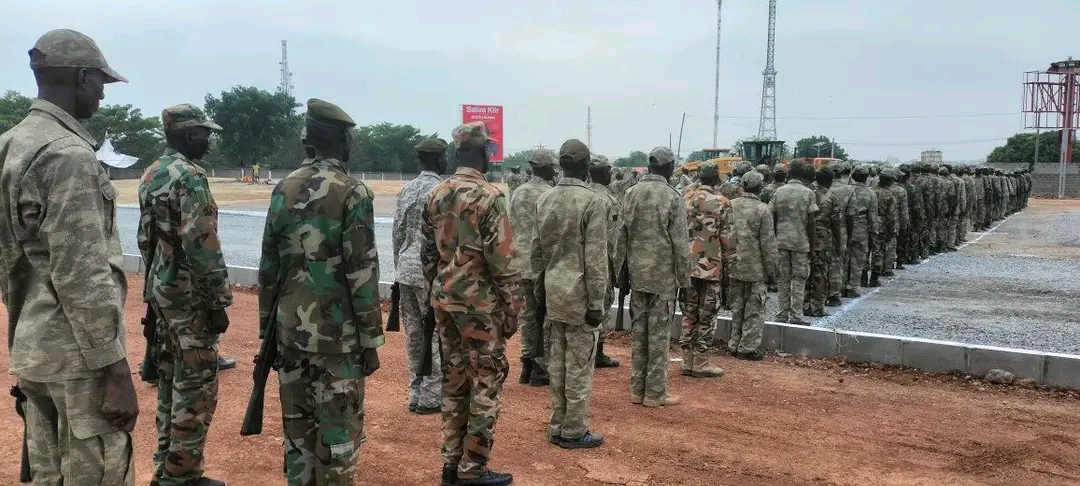
She acknowledged that government officials remained determined to proceed with the elections but raised concerns over security arrangements, logistical preparations and the electoral commission’s ability to organise the polls within what she described as an “extremely compressed timeframe”.
The warning comes amid significant political changes following amendments to the National Elections Act on September 21 and the dissolution of the transitional unity government a day later, which led to the establishment of a caretaker administration.
Gbeho also expressed concern that some opposition groups remained outside the ongoing inter-party dialogue, while the SPLM/A-IO had made the release of its leader, Riek Machar, a condition for participating in the process.
She further noted that electoral activities among political parties remained limited, with the ruling Sudan People’s Liberation Movement (SPLM) conducting nationwide primaries while little activity had been observed among other registered parties.
The UN envoy also raised concerns over women’s political representation, saying recent political changes had fallen short of the 35 per cent quota provided for under the peace agreement.
Beyond the electoral process, Gbeho warned that civilian suffering was increasing despite a general decline in armed confrontations between the main signatories to the peace agreement.
She said communal violence accounted for more than 60 per cent of reported casualties, with more than 140 people reportedly killed in violence in Rumbek and Greater Tonj last month.
Meanwhile, clashes involving government and opposition-aligned forces continued to threaten civilians in Jonglei, while divisions within the SPLM/A-IO had contributed to fighting in Leer and Rubkona counties in Unity State.
The humanitarian situation also remains critical, with approximately 10 million people requiring humanitarian assistance and an estimated 7.5 million facing food insecurity.
Gbeho called for an expanded and inclusive political dialogue, alongside a credible roadmap to complete outstanding provisions of the peace agreement beyond the elections.
She urged South Sudan’s leaders to prioritise the safety of civilians and ensure that the electoral process contributes to lasting peace rather than deepening existing political divisions.
“The true measure of success is simple: whether South Sudanese citizens are safer tomorrow than they are today,” she said.