The Young Women’s Christian Association (YWCA) of South Sudan is taking its gender equality campaign into households, challenging social norms and unequal domestic responsibilities that it says continue to limit women’s participation in leadership, community activities and economic opportunities.
The organisation is using the Gender Action Learning System (GALS), a participatory approach that brings women, men and other community members together to examine household roles, decision-making, power relations and the barriers that reinforce gender inequality.
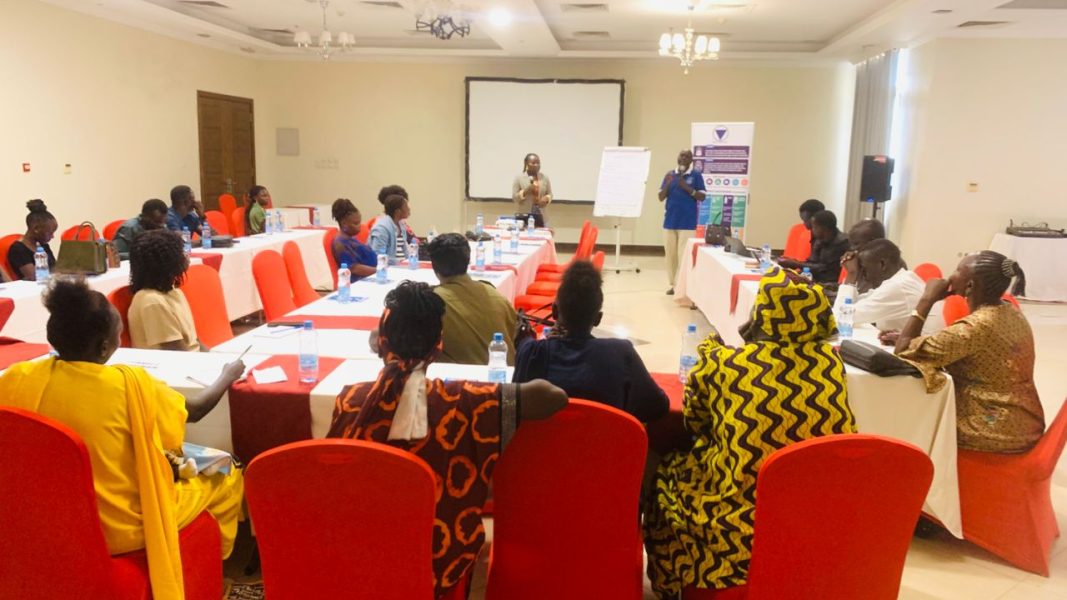
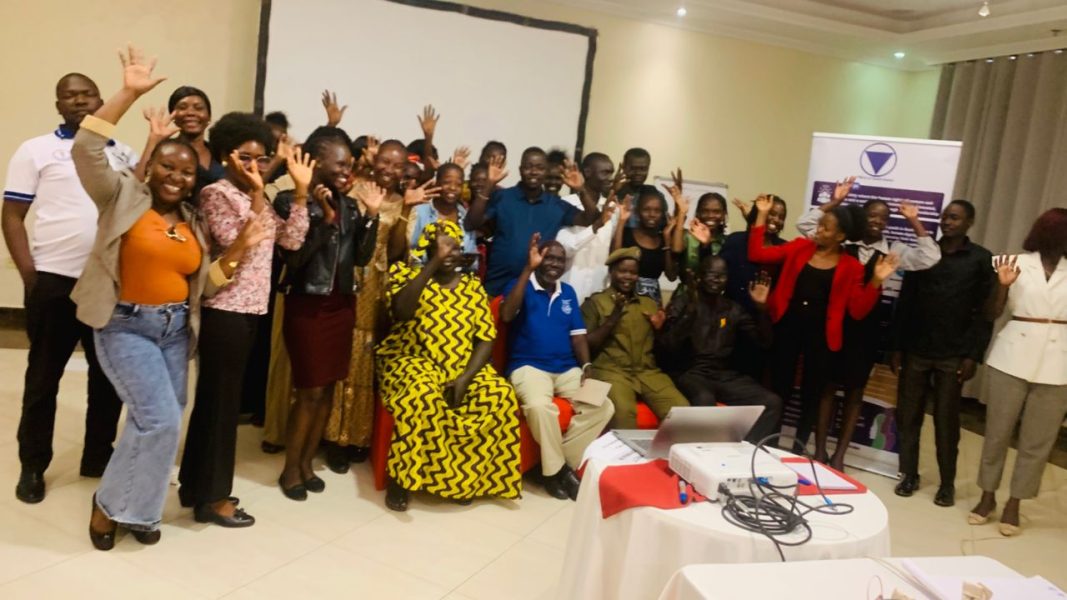
YWCA South Sudan conducted a GALS training in Juba on August 15, bringing participants together to reflect on how everyday practices at home can influence women’s ability to participate in public life.
The organisation says women and girls continue to carry a disproportionate share of unpaid care and domestic work, including cooking, cleaning and childcare.
Such responsibilities can leave women with limited time to attend meetings, participate in training, pursue income-generating activities or take part in community leadership.
YWCA South Sudan says previous engagements with communities found that heavy household workloads were among the barriers identified by women seeking greater participation in leadership and community activities.
The organisation argues that leadership training for women alone is unlikely to deliver lasting change if women return to households where domestic responsibilities and decision-making remain unequal.
Through GALS, participants are encouraged to examine their own attitudes and practices and identify practical ways of changing them. During the Juba sessions, participants used tools to map household workloads, identify barriers, develop personal and family visions and agree on actions for change.
The approach has already prompted some participants to reconsider traditional household roles.
One male participant acknowledged that he had previously failed to support his wife with domestic responsibilities.
Following the training, he committed to sharing household chores, while some women reported that their husbands had begun providing greater support at home.
YWCA South Sudan says such changes can have broader consequences for women’s empowerment by giving them more time and opportunity to participate in training, economic activities, community meetings and decision-making.
The initiative places men at the centre of the gender equality conversation, recognising that sustainable change requires the involvement of husbands, household members, community leaders and women themselves.
The organisation says changing deeply rooted social norms will take time and require continued engagement.
It plans to conduct follow-up sessions, document emerging experiences and involve more community members as the GALS methodology is expanded.
Monitoring will examine whether household responsibilities are being shared more equally, whether women have greater influence over household decisions and whether their participation in community and leadership activities is increasing.
For YWCA South Sudan, the initiative reflects a broader understanding of women’s leadership: the ability of women to participate in public decision-making can be shaped by what happens inside the home.
The organisation says addressing unequal care work and household power relations could help create the time, confidence and opportunities women need to take a greater role in shaping their families and communities.
The GALS intervention contributes to broader Danida and Oxfam objectives of advancing gender equality, challenging unequal power relations and strengthening women’s agency and leadership in South Sudan.