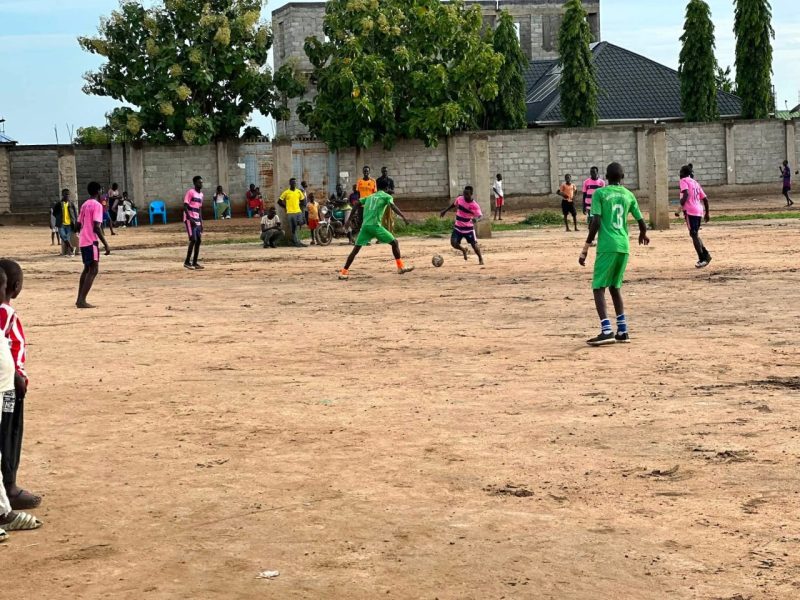
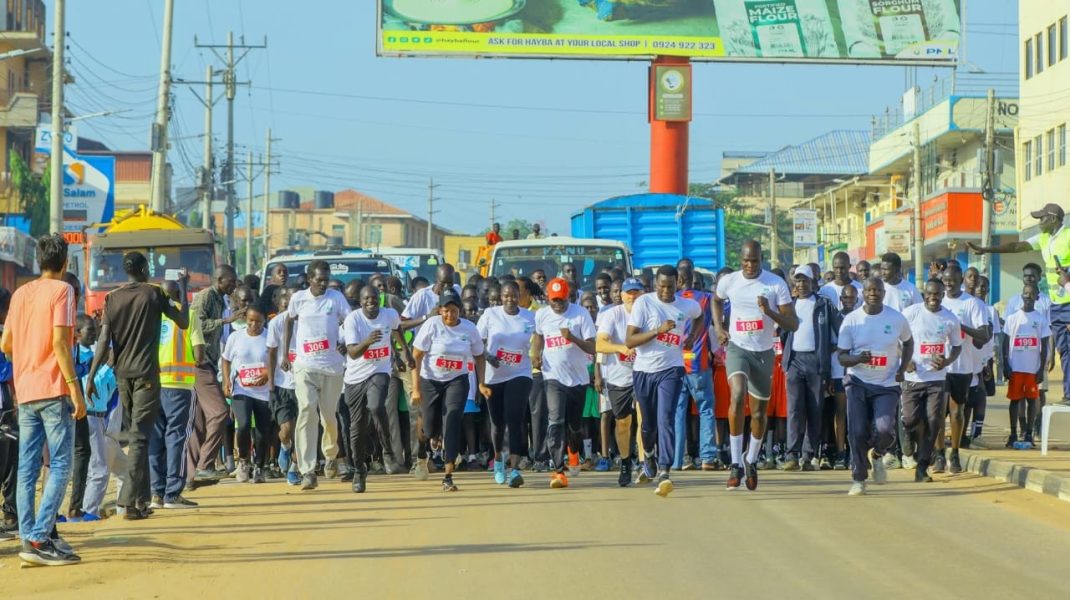
As the first light of day spreads across Juba, the sound of whistles, cheering spectators and pounding footsteps marks more than the beginning of another sporting event. Across South Sudan, from football pitches and basketball courts to dusty running tracks, sport is emerging as a powerful force for peace, resilience and hope in a country striving to overcome years of conflict.
For thousands of young South Sudanese, the pursuit of sport is no longer simply about winning matches or collecting medals.
It has become a pathway to opportunity, discipline and hope, offering an alternative to violence and division while bringing together communities that have often been separated by conflict.
In recent years, South Sudan has witnessed a steady rise in initiatives that use sport to promote national unity and social inclusion.
Community peace races have brought together participants from different ethnic and social backgrounds, while youth football tournaments and basketball clinics have created safe spaces where young people compete, learn teamwork and build friendships beyond traditional divides.
Basketball, in particular, has emerged as one of the country’s strongest symbols of possibility. The success of South Sudan’s national team on the international stage and the growing profile of players such as Khaman Maluach have inspired countless young people to believe that global success is achievable despite limited resources at home.
Former professional players, including Mangok Mathiang, have also returned to mentor young athletes, sharing not only technical skills but lessons in leadership, perseverance and responsibility.
The impact extends beyond elite competition. Across schools and communities, sport is increasingly being recognised as a practical tool for peacebuilding and youth development.
Programmes supported by government institutions, civil society organisations and international partners have expanded opportunities for girls, children and persons with disabilities to participate, reinforcing the message that sport belongs to everyone.
These initiatives reflect a broader understanding that investment in sport contributes to far more than athletic achievement.
Well-organised sporting programmes can improve public health, encourage school attendance, strengthen community cohesion and create employment opportunities through coaching, officiating and sports administration.
For a country where more than two-thirds of the population is under the age of 30, such opportunities carry particular significance.
Sport provides structure, purpose and positive role models at a time when many young people face unemployment, economic hardship and limited access to recreational facilities.
Challenges remain substantial. Many communities still lack quality playing grounds, modern equipment and trained coaches. Funding for grassroots programmes is often inconsistent, while talented athletes frequently struggle to access competitive pathways that would allow them to develop their full potential.
Yet despite these obstacles, the enthusiasm surrounding sport continues to grow. Every local tournament, school competition and community race demonstrates the determination of young South Sudanese to invest in a future defined not by conflict but by cooperation and shared ambition.
Ultimately, the story of sport in South Sudan is not measured only by goals scored, races won or trophies lifted. Its greatest achievement lies in its ability to bring people together, restore confidence and inspire a generation to imagine a different future.
Long after the final whistle has blown, the lessons learned on the field discipline, respect, teamwork and perseverance continue to shape communities.
In South Sudan, where peace remains both a journey and an aspiration, sport is proving that some of the country’s most meaningful victories begin far beyond the scoreboard.