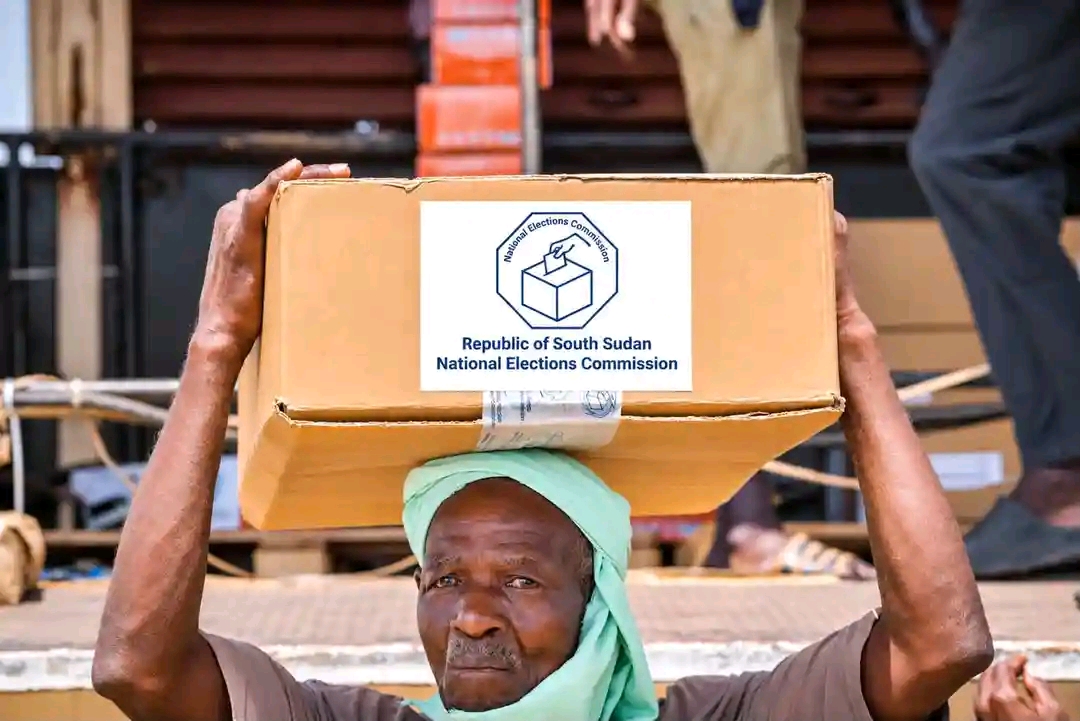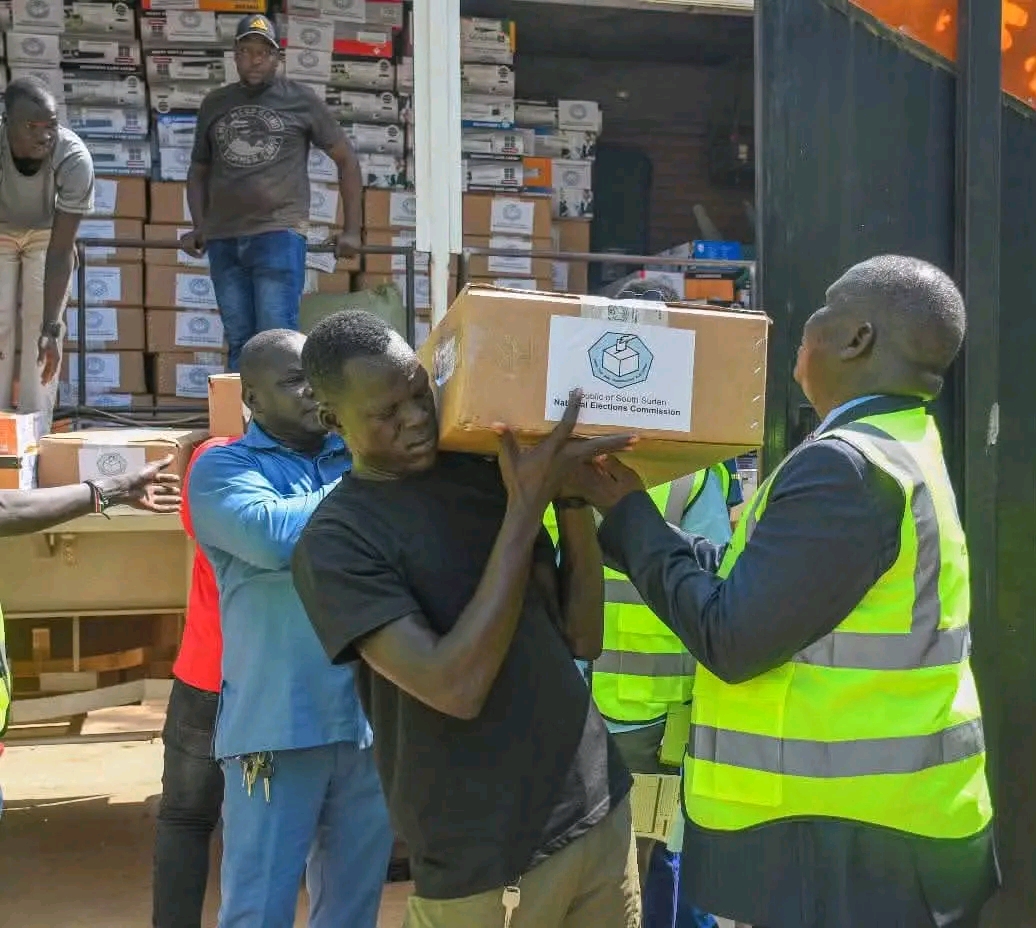
The United Nations has warned that South Sudan’s decision to include the disputed Abyei Administrative Area in its planned December 2026 general elections could significantly increase political tensions with neighbouring Sudan.
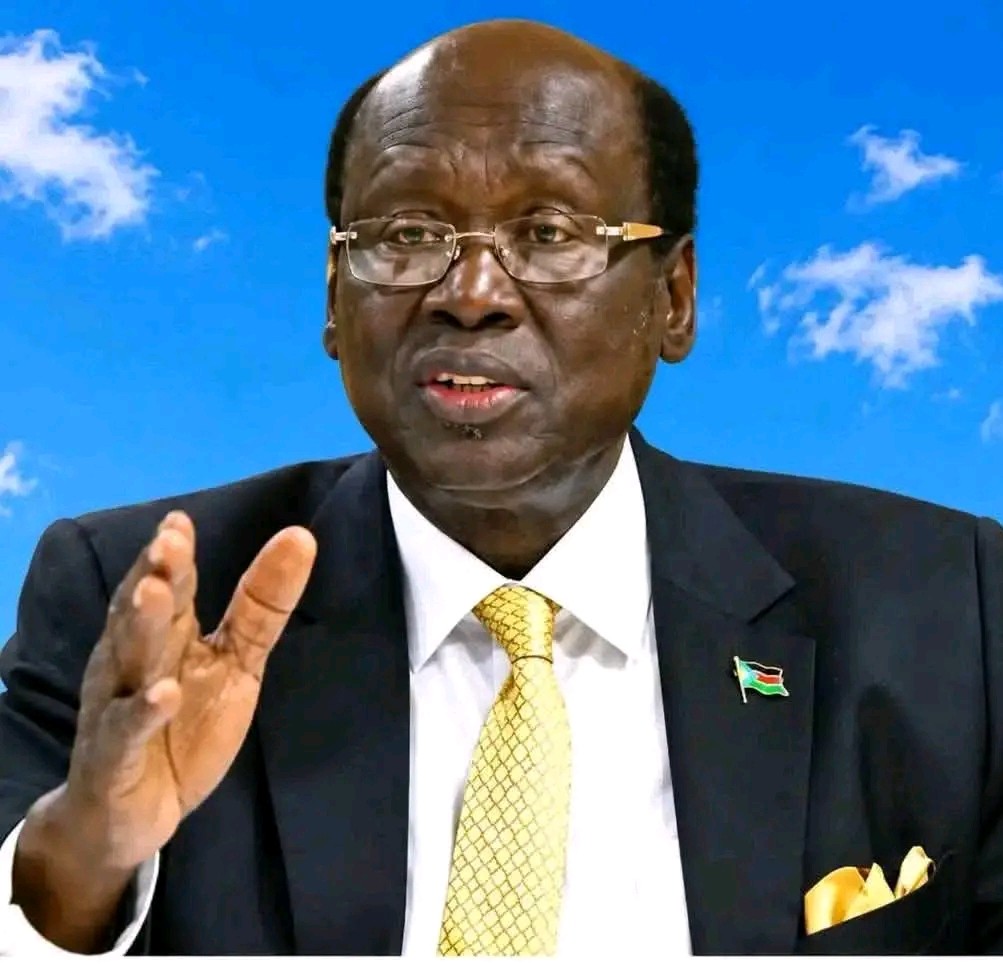
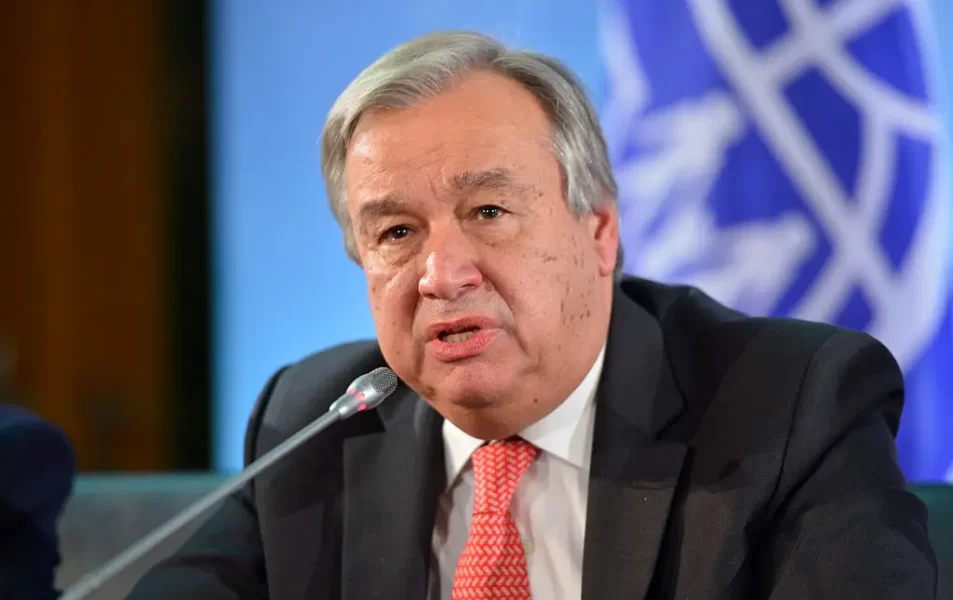
In a report submitted to the UN Security Council covering developments between April 16 and October 1, UN Secretary-General António Guterres said Sudan had formally objected to Juba’s plan, arguing that the move contradicts agreements signed between the two countries.
According to the report, Sudan lodged its objection on July 13, 2026, following South Sudan’s announcement that Abyei would be included in its electoral districts.
However, Juba reaffirmed its position on July 17, maintaining its intention to proceed with the plan despite Khartoum’s concerns.
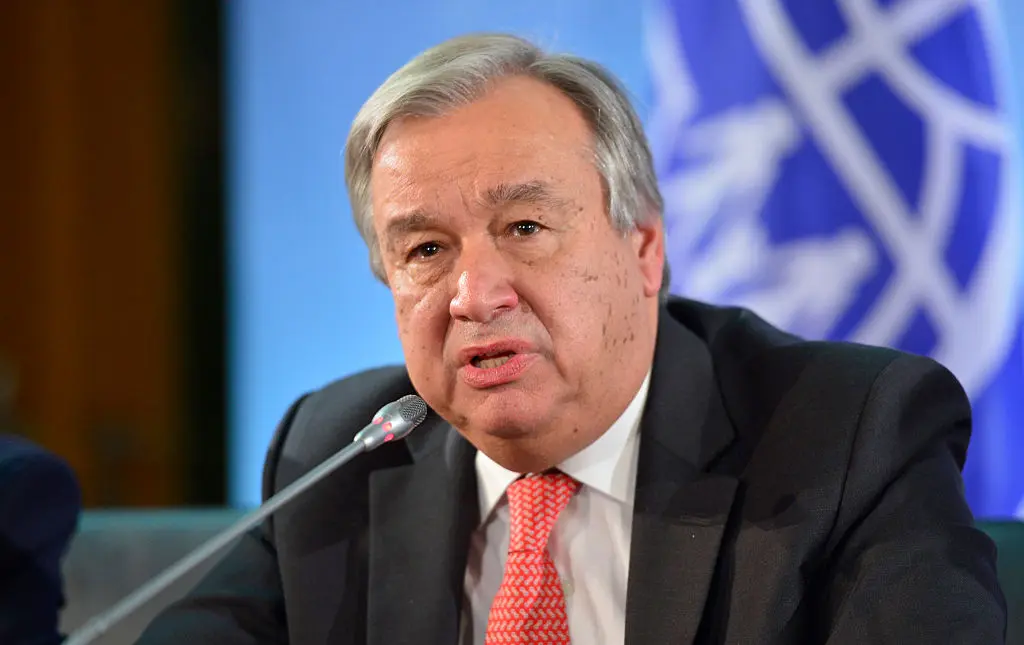
“The stated intention of the Government of South Sudan to include Abyei in its electoral districts for the December 2026 elections, which the Government of the Sudan considers contrary to signed agreements, is likely to significantly increase political tensions as the elections approach,” Guterres said.
The UN warned that the absence of an agreed political settlement on Abyei’s final status and governance arrangements continues to create uncertainty, adding that unilateral decisions could undermine ongoing efforts to resolve the dispute through negotiations.
Guterres urged both governments to address the electoral disagreement and the broader question of Abyei through the Joint Political and Security Mechanism, while avoiding actions that could further complicate the territory’s status.
The warning comes as South Sudan prepares for its first general elections since gaining independence in July 2011, with the disputed territory emerging as another major challenge in the country’s electoral process.
Abyei has remained a contested territory between Sudan and South Sudan since before the latter’s independence.
Under the 2005 Comprehensive Peace Agreement, the area was supposed to hold a referendum in 2011 to determine whether it would become part of Sudan or South Sudan.
However, the referendum was postponed after the two governments failed to agree on who qualified to participate, particularly over the eligibility of the Misseriya community, which seasonally migrates through the area with its livestock.
The Ngok Dinka community considers Abyei its ancestral homeland and maintains strong ties with South Sudan, while the Misseriya community identifies with Sudan.
In October 2013, the Ngok Dinka community organised a unilateral referendum in which an overwhelming majority of participants voted in favour of joining South Sudan.
However, neither government recognised the vote, and it was not endorsed by the international community.
More than 15 years after the planned referendum, Abyei remains without an agreed final political status.
The UN report also highlighted persistent security challenges in Abyei, including violence involving the Ngok Dinka and Misseriya communities, as well as concerns over the presence of unauthorised armed groups.
Despite a decline in recorded security incidents, the UN said the overall security situation remained fragile.
The UN Interim Security Force for Abyei (UNISFA) recorded 191 security incidents by October 1, compared with 282 during the same period in 2025.
The report further noted that South Sudan had committed to withdrawing its army from southern Abyei, although the withdrawal had not started by the end of the reporting period.
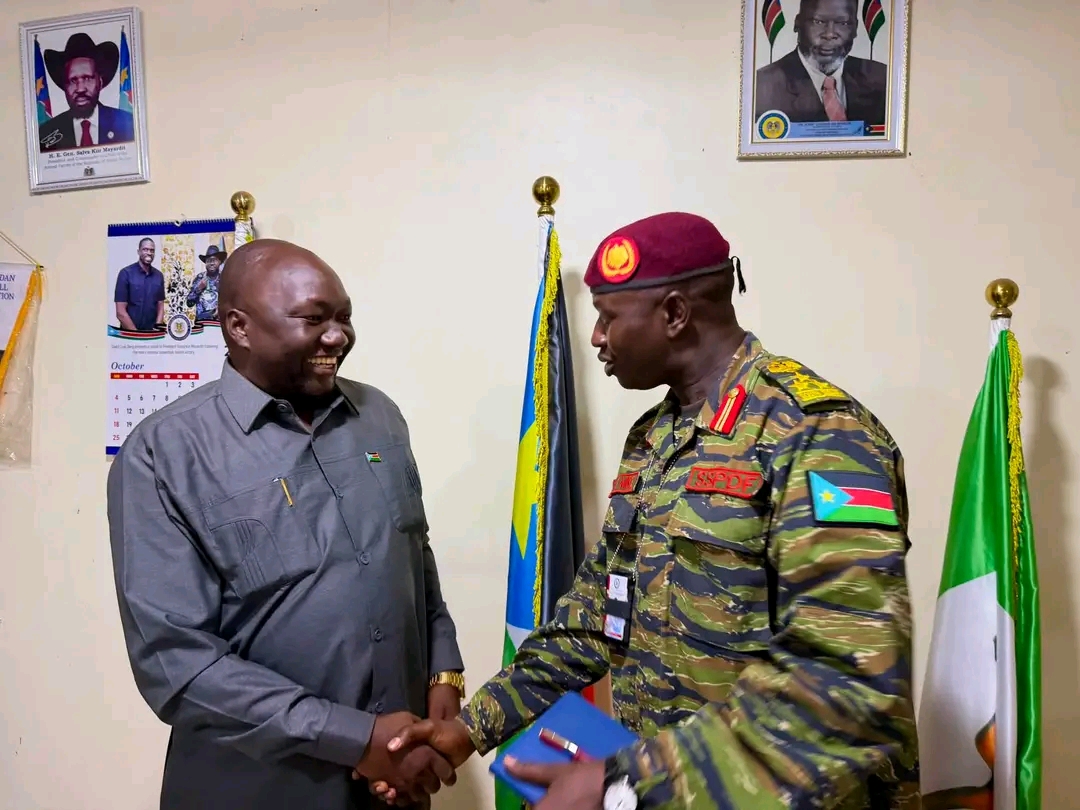
Meanwhile, relations between Juba and Khartoum showed some signs of renewed diplomatic engagement after the two governments resumed meetings of the Joint Political and Security Mechanism in Juba on August 10, 2026.
The meeting was the first since January 2023 and discussed Abyei, bilateral security cooperation and border monitoring arrangements.
However, disagreements over the territory’s political future and security arrangements continue to complicate efforts to achieve a lasting settlement.
The UN has stressed that cooperation between the two governments remains essential to preventing further instability in Abyei, particularly as South Sudan approaches its December elections.