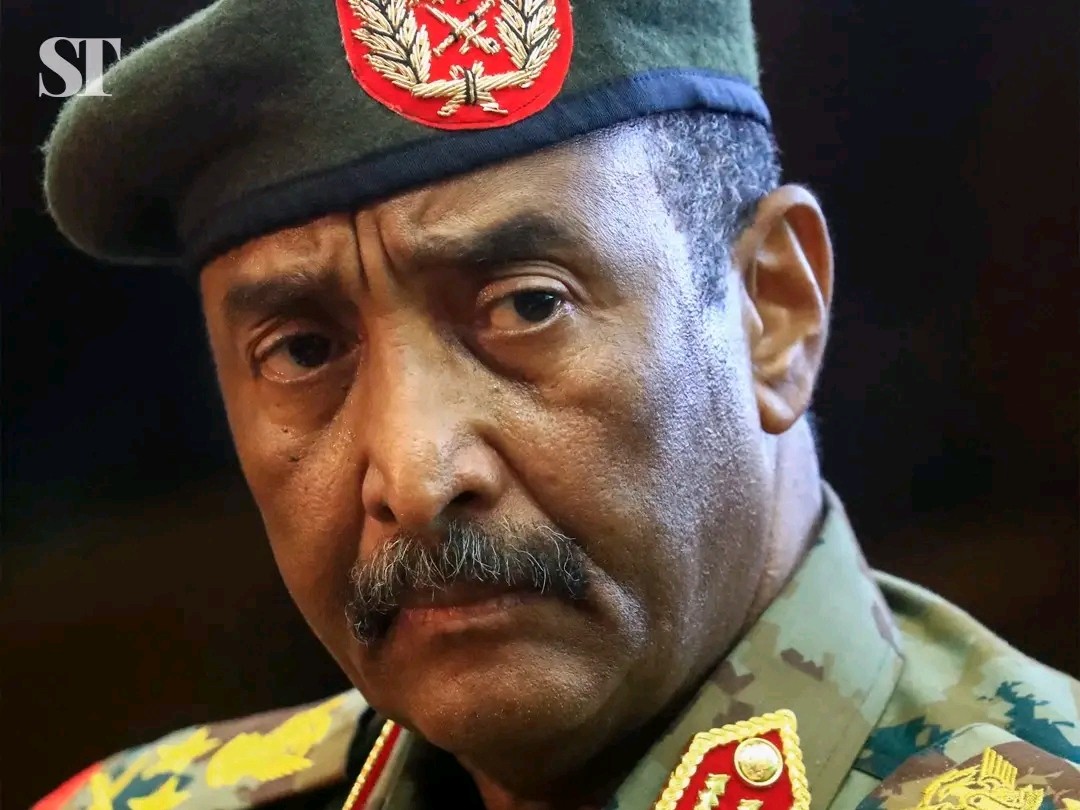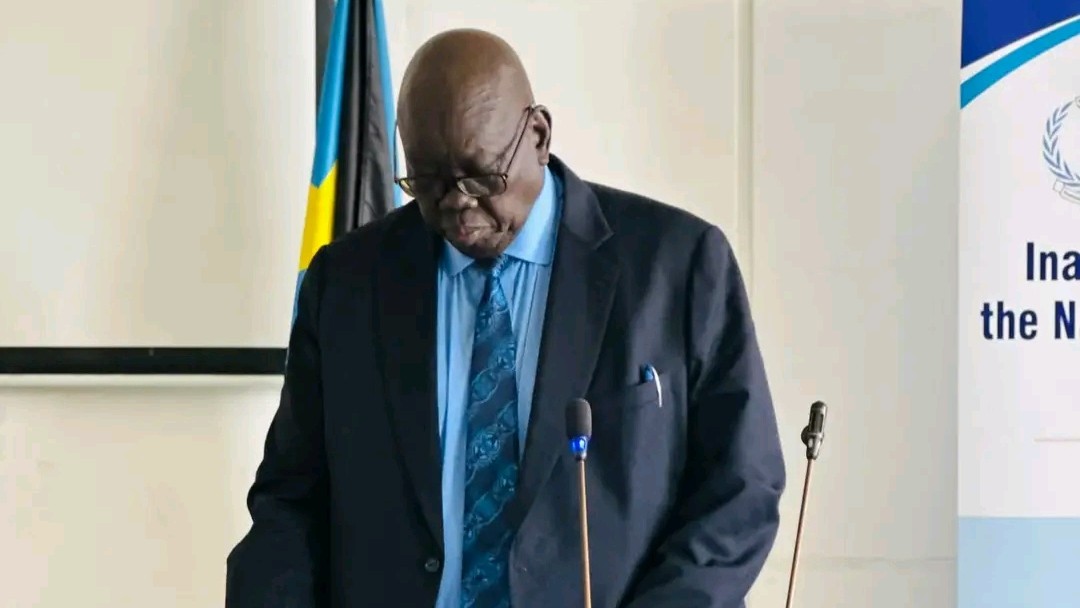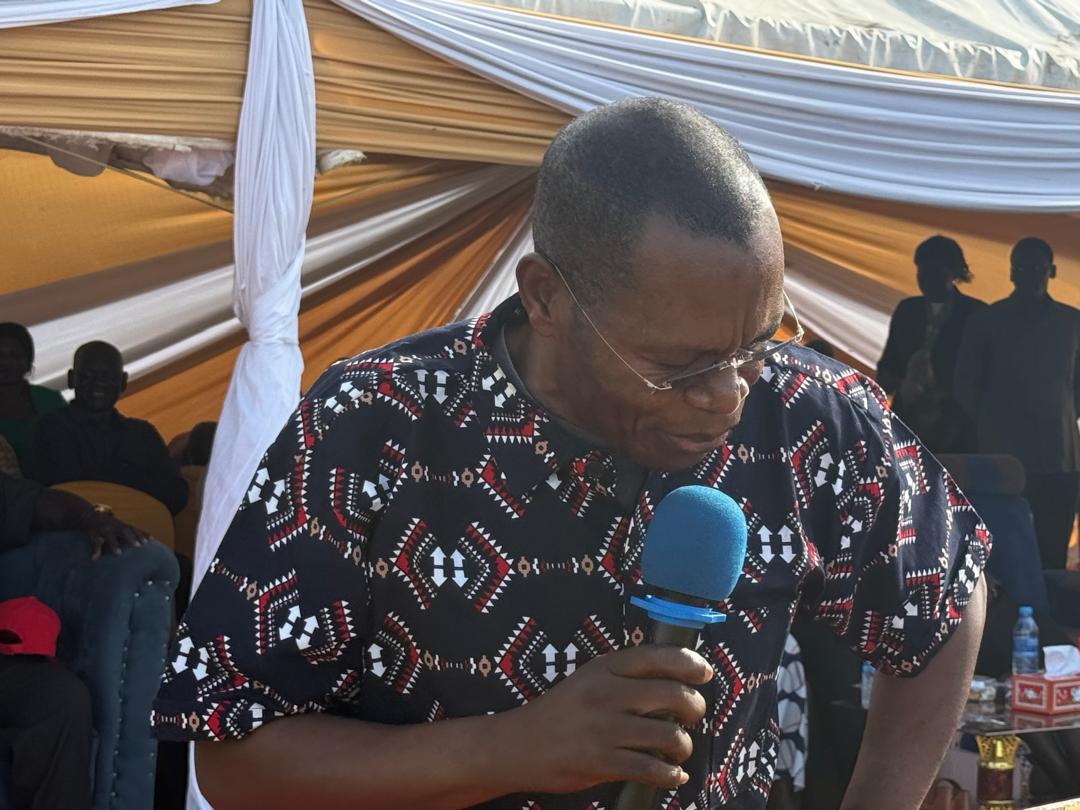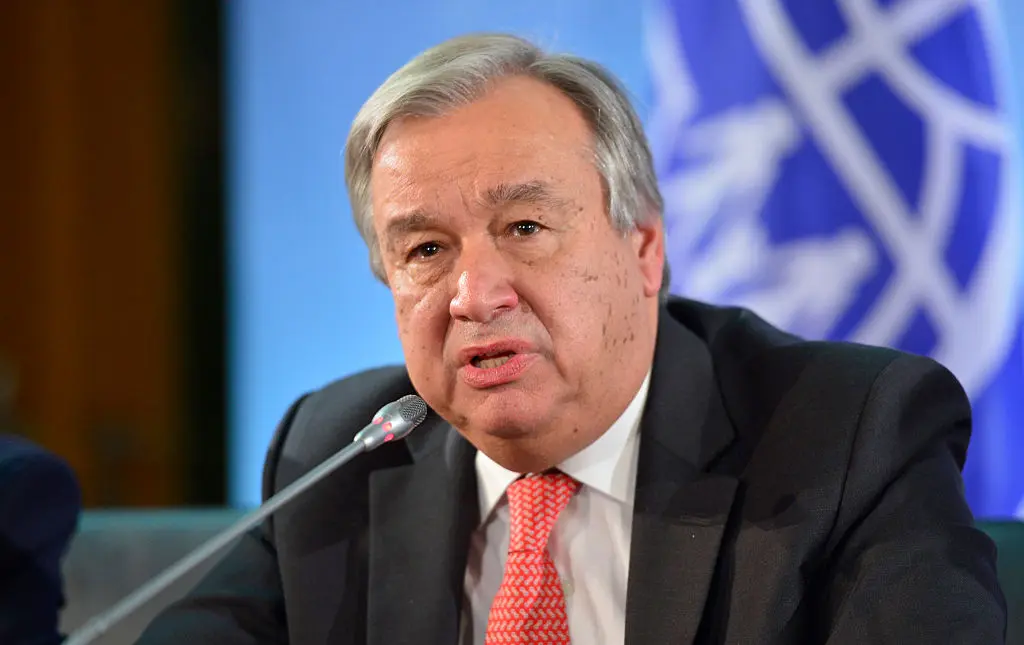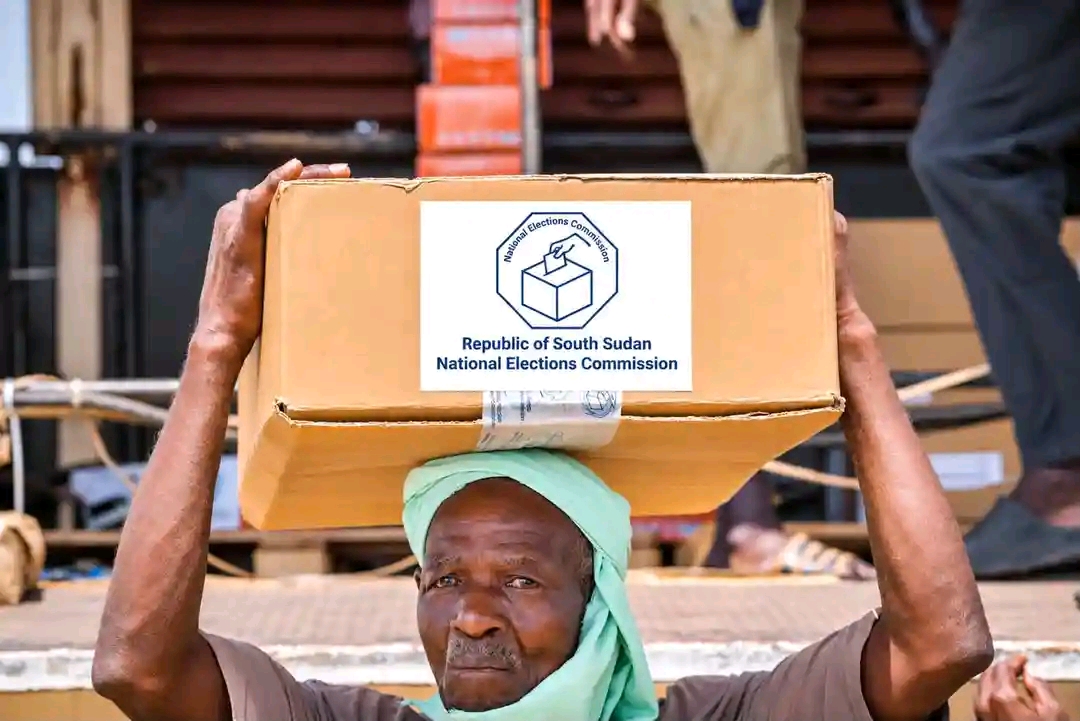
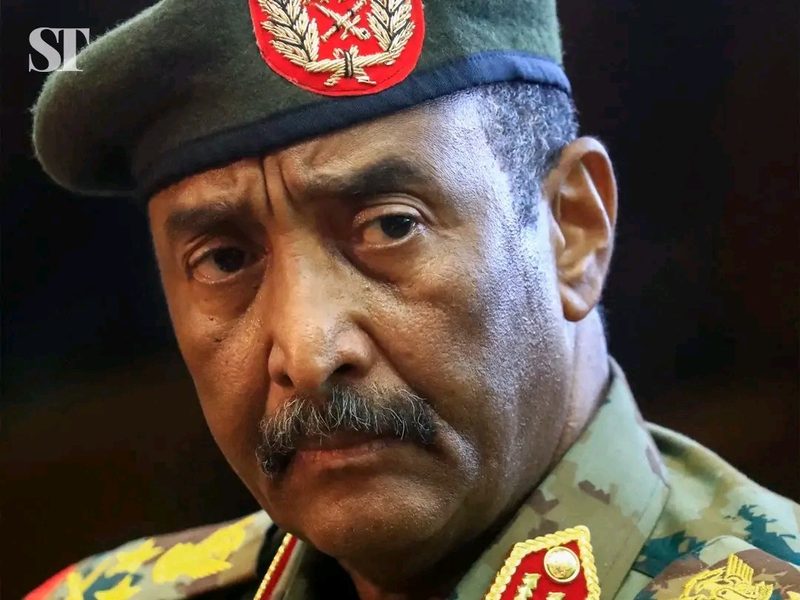
South Sudan and Sudan have exchanged opposing positions at the United Nations Security Council over Juba’s plan to include the disputed Abyei region in its December 2026 general elections, highlighting continuing disagreements over the territory’s political status.
The disagreement emerged during discussions at the Security Council, where the two neighbouring countries presented differing views on South Sudan’s intention to extend its electoral process to Abyei, a territory claimed by both countries.
South Sudan’s position reflects its plan to proceed with the December elections, scheduled for 22 December 2026, while Sudan has raised concerns over the proposed inclusion of the disputed area, which remains unresolved despite years of negotiations between the two governments.
Abyei has remained a sensitive issue between Juba and Khartoum since South Sudan gained independence in 2011.
Although the territory has a special administrative status, its final political status has yet to be determined.
The disagreement over the elections adds another layer of uncertainty to efforts to resolve the Abyei question and could complicate relations between the two countries.
The territory has long been at the centre of competing political claims, with communities, administrative arrangements and security concerns shaping negotiations over its future.
The Security Council has continued to monitor developments in Abyei, with the international community repeatedly calling on South Sudan and Sudan to pursue a peaceful and negotiated solution to the dispute.
With South Sudan preparing for its December elections, the question of whether Abyei will be included in the electoral process remains a significant point of disagreement between the two neighbouring countries.