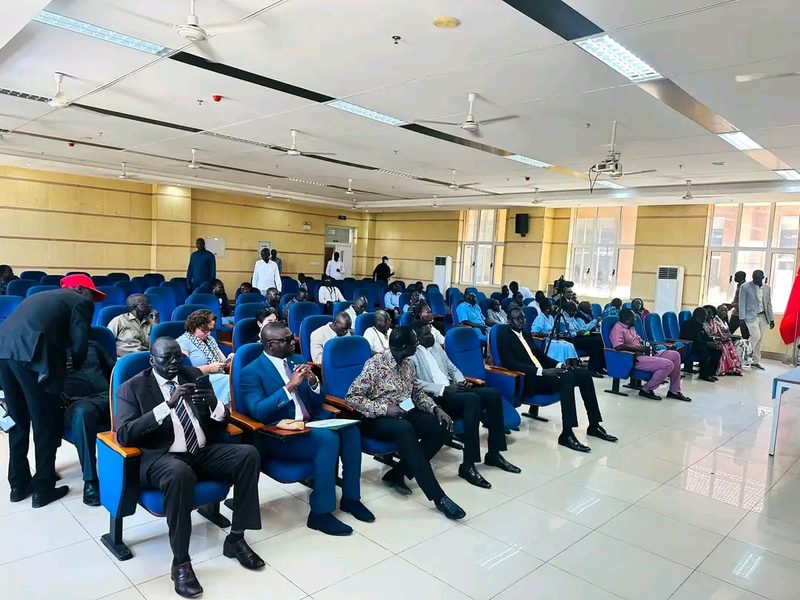
South Sudan has launched its first population-based cancer registry at Juba Teaching Hospital, marking a major step towards collecting reliable local data to guide cancer prevention, diagnosis and treatment.
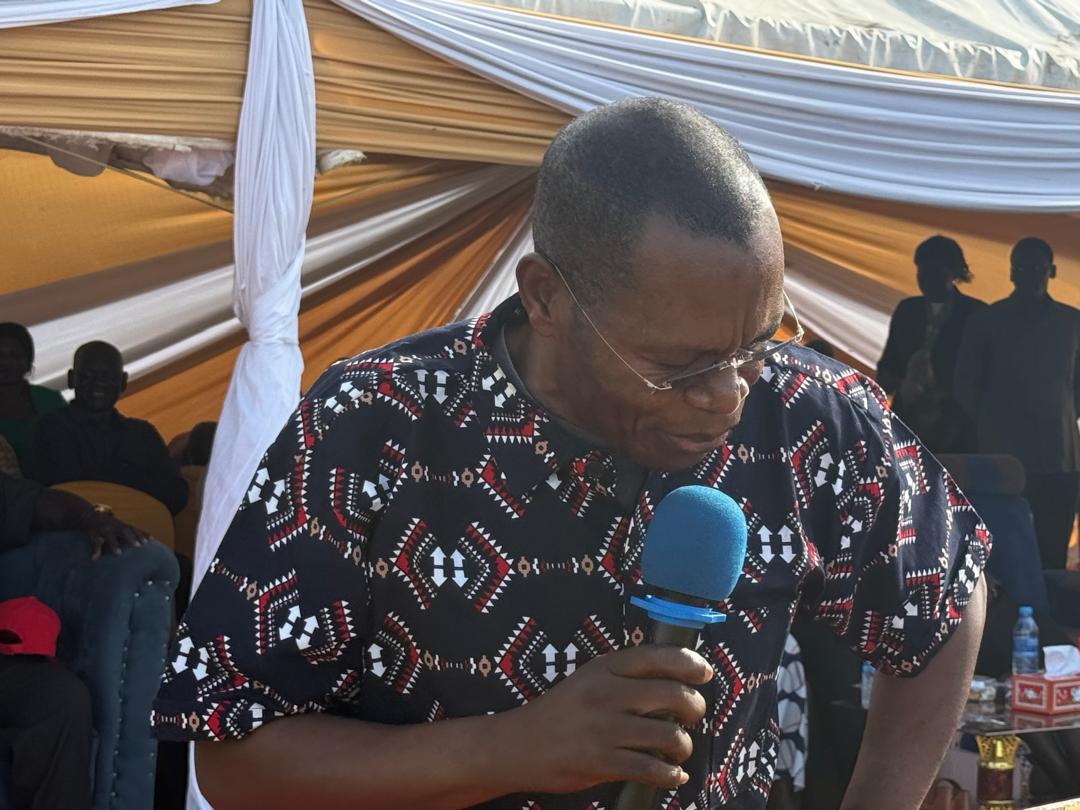
Caretaker Minister of Health Dak Duop Bichok said the country had long relied on estimates informed by neighbouring countries due to the absence of a comprehensive system for recording cancer cases locally.
He cited estimates of 8,124 new cancer cases, 5,128 cancer-related deaths and 11,645 people living with cancer over a five-year period, cautioning that the figures were modelled estimates rather than records collected directly from patients in South Sudan.
The new registry is expected to help health authorities identify common cancer types, determine the populations most affected and improve national health planning and resource allocation.
The World Health Organization (WHO), through its representative Dr. Mutale Senkwe, pledged support through equipment, technical assistance and capacity building to strengthen the initiative.
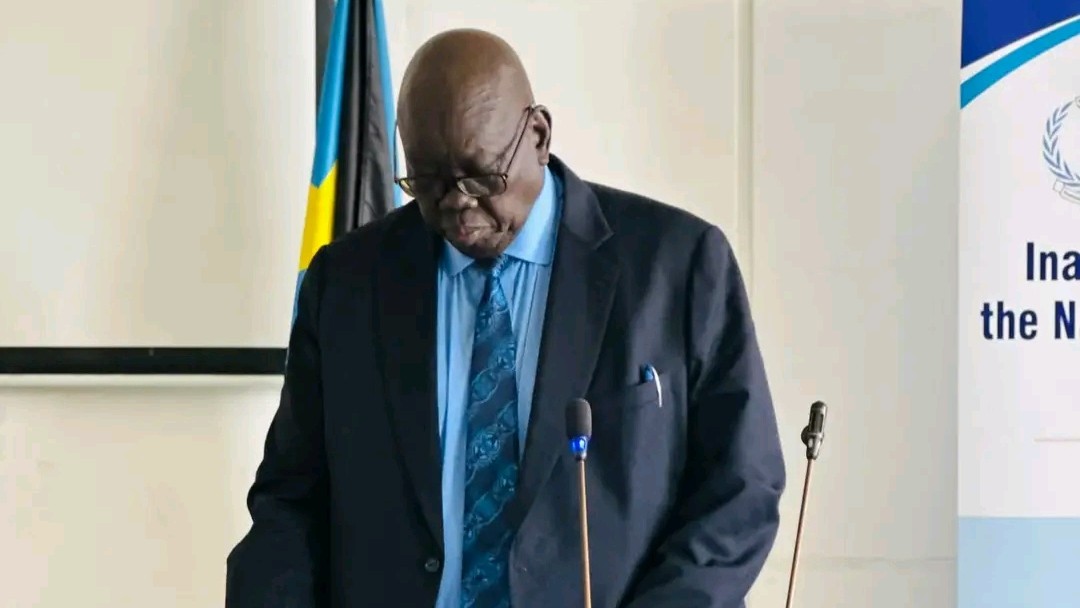
However, Juba Teaching Hospital Director General Dr. Anthony Lupai called for the establishment of a dedicated cancer treatment centre, saying many patients struggle to afford referrals to Uganda’s Mulago Hospital.
He stressed that collecting cancer data must go hand in hand with providing treatment services locally.
The initiative is expected to strengthen South Sudan’s ability to understand its cancer burden and develop more effective responses using locally generated evidence.