
As South Sudan prepares for what could become its first truly historic democratic elections, faith-based institutions including churches, Islamic organizations, and other religious communities are approaching a defining moment. Their commitment to truth, justice, transparency, and peace will be tested as never before.
The responsibility of religious institutions is not to endorse political parties or individual candidates. Rather, their sacred duty is to uphold the moral values that unite society: truth, justice, human dignity, accountability, reconciliation, and peaceful coexistence.
In a country emerging from years of conflict and political division, these principles are essential to strengthening democracy and preserving national unity.
Religious leaders have long served as the moral conscience of South Sudan. During times of uncertainty and national transition, citizens look to them for guidance grounded in faith, fairness, and hope.
Their voices carry influence beyond politics, offering reassurance to communities seeking peace and justice.
Remaining silent in the face of injustice, intimidation, or fear risks weakening public confidence in both religious institutions and the democratic process.
Conversely, speaking with wisdom, courage, and integrity can inspire trust, promote peaceful participation, and reinforce the values upon which a just society is built.
The Holy Scriptures remind believers that faith calls for courage rather than fear:
“For God has not given us a spirit of fear, but of power and of love and of a sound mind.” — 2 Timothy 1:7
This passage encourages religious leaders to speak truth with compassion, defend justice without prejudice, promote peace, and stand equally with all citizens regardless of their political affiliation.
The Bible further commands:
“Speak up for those who cannot speak for themselves; ensure justice for those being crushed.” — Proverbs 31:8–9
Likewise, the Holy Qur’an places justice at the heart of faith:
“O you who believe! Stand firmly for justice, as witnesses for Allah, even if it be against yourselves…” — Qur’an 4:135
These teachings remind faith communities that their credibility depends on remaining impartial guardians of justice rather than becoming partisan actors.
Their mission is to encourage fairness, defend the dignity of every citizen, reject violence and hate speech, and promote peaceful civic participation throughout the electoral process.
As South Sudan enters a new chapter in its democratic journey, faith-based institutions have a unique opportunity to help shape the nation’s future.
By encouraging reconciliation, fostering dialogue, promoting peaceful elections, and reminding political leaders that public office is a sacred trust to serve the people not personal interests they can make a lasting contribution to peace and democracy.
History will judge not only those who seek political office but also those entrusted with the nation’s moral leadership.
This election is more than a political contest; it is a test of South Sudan’s collective commitment to truth, justice, peace, and national unity.
Faith-based institutions have both the responsibility and the opportunity to help ensure that this defining moment becomes a foundation for a stronger, more united, and more democratic South Sudan.
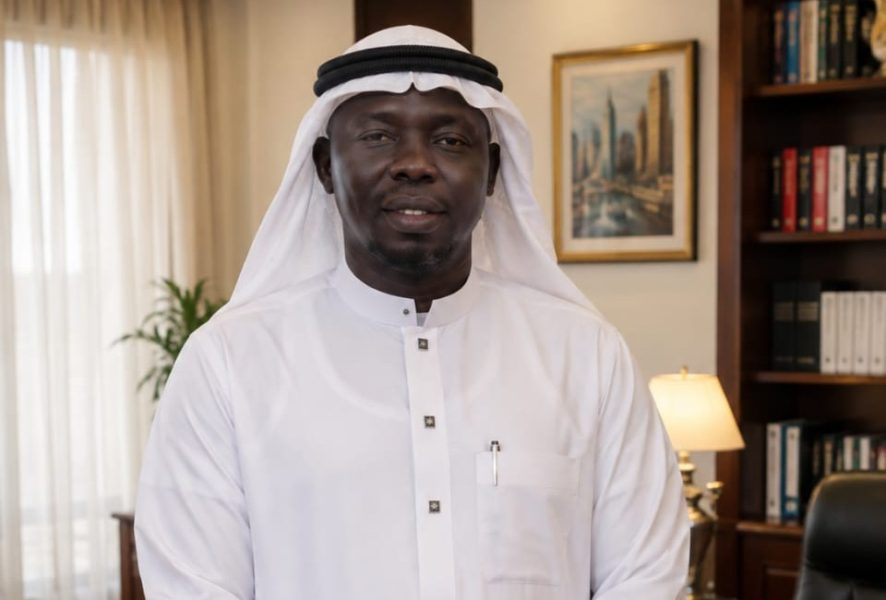
Hon. Mogga Charles Guya
Secretary for Foreign Affairs, SSNMC