
South Sudan is increasingly looking beyond sport as competition and embracing it as a tool for peacebuilding, disability inclusion and youth empowerment.
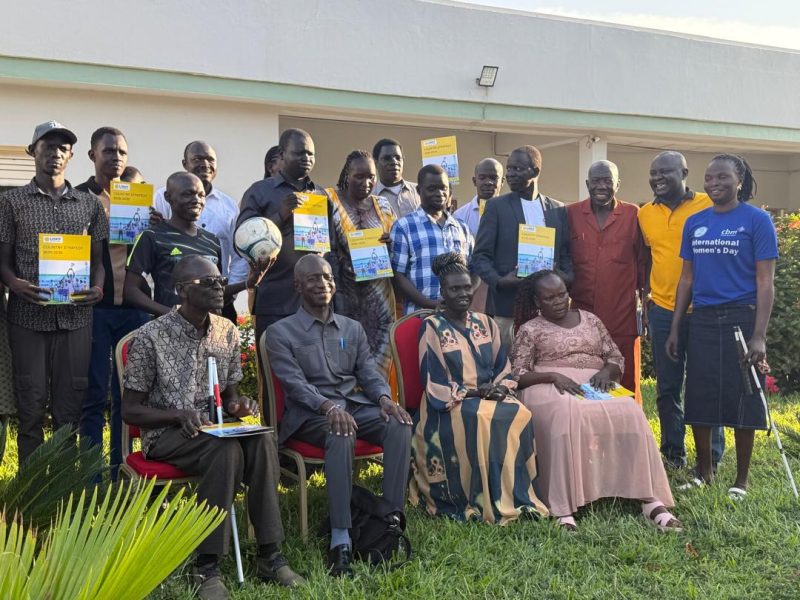
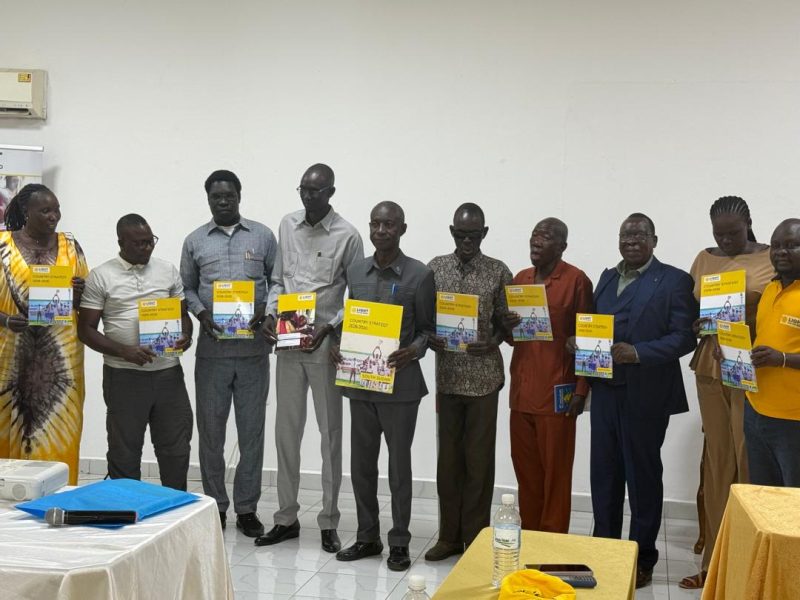
That ambition gained fresh momentum during a national workshop in Juba, where government officials, sports leaders and disability advocates launched the second phase of the blind sports project while calling for stronger investment in inclusive sports programmes across the country.
The workshop, organised by Light for the World in collaboration with the Ministry of Youth and Sports, convened delegates from the country’s ten states and three administrative areas to explore how sport can combat discrimination, strengthen social cohesion and create opportunities for persons with disabilities.
Peter Baptist, Technical Advisor for Sports at the Ministry of Youth and Sports, said sport has the power to transform communities by bringing people together regardless of their backgrounds or physical abilities.
“When people play together, they learn to live together,” Baptist told participants. “Sport should be used to reduce violence, fight discrimination and promote equality for persons with disabilities.”
He urged state officials to return home and champion inclusive sporting activities that encourage peaceful coexistence while giving persons with disabilities equal opportunities to participate.
The workshop coincided with the expansion of Light for the World’s Sports for Peace programme, an initiative expected to reach about 9,000 young people and persons with disabilities across three counties.
Speaking during the launch, Country Director Sophia Mohamed said the programme seeks to prevent conflict by creating safe spaces where young people can build friendships through sport.
“Our programme is designed to promote peace by bringing young people together through sport instead of allowing divisions and conflict to take root,” she said.
Mohamed called on the government to deepen collaboration with development partners to ensure inclusive sporting opportunities become available in schools and communities nationwide.
Since introducing Sports for Peace in an internally displaced persons camp in Juba in 2014, Light for the World has expanded its work to support disability inclusion, particularly through blind football.
The results are already visible. South Sudan’s blind football team recently won the East and Southern Africa Division Two championship, securing promotion to Division One and demonstrating that athletes with disabilities can excel on the continental stage despite limited resources.
Representing state governments, Abraham Kelang, Minister of Culture, Youth and Sports for the Greater Pibor Administrative Area, said the workshop had strengthened cooperation between national and state authorities to promote inclusive sports.
He said local governments have a responsibility to ensure persons with disabilities are included in sporting activities and community development programmes.
South Sudan National Paralympic Committee Vice President Hakim Darius Christopher said inclusive sport is helping to challenge stereotypes while creating opportunities that many persons with disabilities have historically been denied.
He noted that stronger partnerships between government, civil society and development organisations would be essential to sustaining progress.
For organisers, the workshop marked more than the launch of another project. It signalled a growing national movement that sees sport as a platform for dignity, equality and lasting peace.
If that momentum continues, they believe South Sudan’s greatest sporting achievement may not be another trophy, but a society where every young person—regardless of ability—has an equal chance to play, compete and succeed.