Throughout the history of democratic societies, political transformation has often emerged from unexpected places.
Those once considered political underdogs, outsiders, underestimated voices and emerging leaders have sometimes become important participants in redefining the political destiny of their nations.
South Sudan stands at a defining moment in its democratic journey.
The rise of new political voices should not be viewed as a threat to established political actors, but as an opportunity to renew the national political conversation, broaden democratic participation and strengthen the institutions of governance.
Democracy is not the permanent ownership of political power by a particular individual, political party, family, generation or liberation movement.
It is a public trust, exercised through the consent of citizens and renewed through legitimate democratic processes.
The rise of underdogs represents more than the emergence of new political competitors.
It reflects the aspirations of citizens who desire inclusion, accountability, equal opportunity and a meaningful voice in determining their future.
Political experience should be respected, but it should not become a permanent barrier to new leadership. Equally, emerging leaders must understand that political transformation requires responsibility, integrity, national vision and respect for democratic institutions.
The democratic space must accommodate both established political figures and emerging political actors without intimidation, discrimination or unnecessary political hostility.
One of the greatest tests of democratic maturity is not how political leaders celebrate victory, but how sincerely they accept transition when political circumstances change.
Political acceptance means recognising that leadership is temporary, political competition is legitimate and electoral outcomes must be respected when freely and fairly determined.
A mature political culture must replace the politics of personal entitlement with the principles of constitutionalism, peaceful competition and institutional continuity.
Those who win must demonstrate humility, while those who lose must demonstrate maturity. Both have a responsibility to protect national stability and preserve the dignity of the democratic process.
Political transition should never be interpreted as political persecution, personal defeat or national division. Rather, it should become an opportunity for reconciliation, institutional renewal and collective progress.
The liberation struggle carried enormous expectations of freedom, dignity, justice, equality and prosperity.
The independence of South Sudan in 2011 represented the fulfilment of a historic aspiration.
However, the next chapter of our national journey must be measured not only by the sacrifices of the past, but also by the quality of governance and opportunities available to present and future generations.
The ballot must become the legitimate instrument through which citizens express their political choices.
Political disagreements must be resolved through dialogue, constitutional mechanisms and peaceful democratic participation.
Our national conversation must move beyond personalities and political rivalries towards the fundamental questions of employment, education, healthcare, economic recovery, security, infrastructure, institutional accountability and national reconciliation.
South Sudan’s political elites have a historic responsibility to demonstrate that democracy is bigger than individual ambitions.
Accepting political competition requires courage. Accepting electoral outcomes requires maturity. Handing over authority peacefully requires statesmanship.
Political leaders must recognise that the strength of a nation is not determined by how long particular individuals remain in power, but by how strong its institutions become beyond their leadership.
The younger generation, women, professionals, civil society and communities across all geographical regions must have meaningful opportunities to participate in national leadership.
A new democratic dawn for South Sudan requires a collective commitment to free, fair, credible and peaceful elections; respect for constitutionalism and the rule of law; peaceful transfer of political authority; equal political participation and inclusion; accountability and transparency in public institutions; national reconciliation and respect for political diversity; and protection of citizens’ freedoms and democratic rights.
Democracy must become a national culture rather than an occasional electoral event.
The rise of underdogs should remind us that political history is never permanently closed. New generations will always emerge with new ideas, aspirations and leadership perspectives.
South Sudan must embrace a political environment where no citizen is too small to lead, no political party is too insignificant to participate, and no individual is too powerful to be subject to the democratic will of the people.
The true victory of democracy is not simply the rise of one political leader over another. It is the establishment of a political system in which leadership can change peacefully without threatening national unity and stability.
Let us therefore move from the politics of entitlement to the politics of service; from political intolerance to democratic coexistence; and from the fear of transition to the sincere acceptance of change.
A new dawn for South Sudan must be founded on the ballot, not bullets; on institutions, not individuals; and on the collective will of the people, not the permanent ambitions of political elites.
The future of South Sudan belongs to all its citizens.
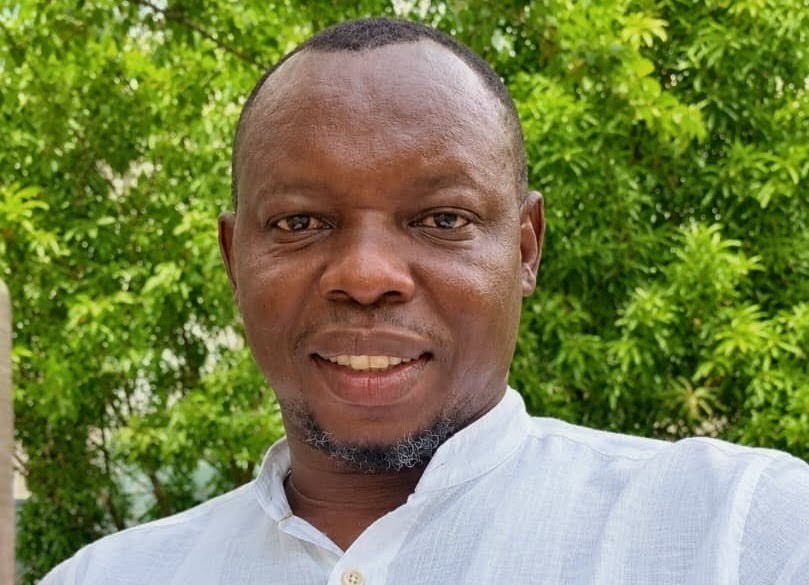
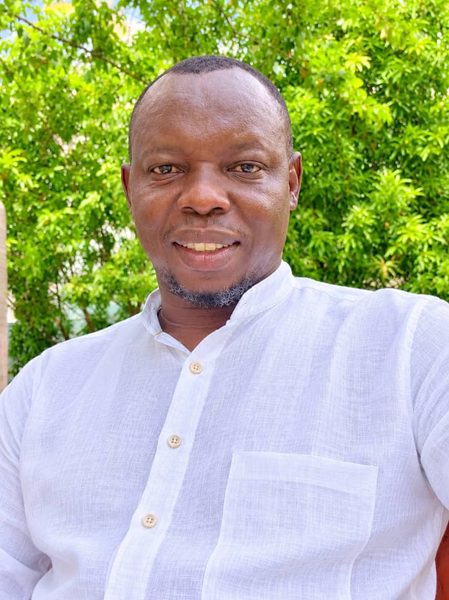
This opinion article represents the personal views and perspectives of its author, Hon. Mogga Charles Guya, Secretary for Foreign Affairs of the South Sudan National Movement for Change (SSNMC) and do not necessarily reflect the editorial position of Standard Zone News (SZN).